






The Old Guard of Hill Stations
For generations, the blueprint for a middle-class Indian honeymoon was clear: head for the hills. Destinations like Shimla, Manali, Ooty, and Darjeeling—colonial-era hill stations built by the British to escape the subcontinent's oppressive summer heat—were
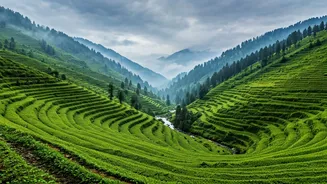
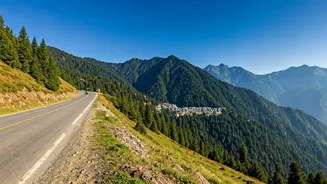
the romantic backdrop of choice. These towns offered cool mountain air, charming (if slightly dated) hotels, and a distinct sense of getting away from it all without needing a passport. The decision was often as much about family tradition and accessibility as it was about personal preference. These places were familiar, relatively affordable, and woven into the fabric of Indian pop culture, particularly through countless Bollywood movie scenes filmed against their scenic, pine-covered slopes. However, they came with a catch: the weather was often a gamble. A monsoon downpour, a surprise cold snap, or dense fog could easily derail a carefully planned romantic stroll, turning a dream trip into a damp, chilly week spent indoors.
The Rise of 'Weather Comfort'
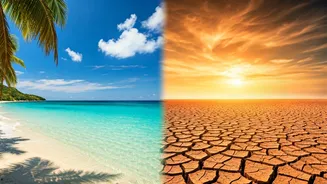
Enter the modern Indian couple. Armed with higher disposable incomes, global exposure through the internet, and an Instagram feed to fill, their priorities have shifted dramatically. The new watchword is “weather comfort”—the assurance of a stable, pleasant, and photogenic climate. This isn't just about avoiding rain; it's about guaranteeing a specific kind of experience. It’s the promise of sunny skies for beach photos in the Maldives, temperate afternoons for exploring European cities, or the dry, crisp air of a luxury desert resort. Predictability has become a luxury commodity. In a world where a honeymoon is seen as a major life event that must be documented and shared, the risk of a meteorological mishap is one fewer couples are willing to take. This desire for a controlled environment reflects a broader shift in consumer behavior, where the experience itself—curated, flawless, and shareable—is the ultimate product.
From the Himalayas to the Maldives
This quest for climatic certainty has sent the Indian honeymoon industry spinning into a new orbit. The beneficiaries are international destinations that can market their meteorological reliability. Southeast Asian hotspots like Thailand, Bali, and Malaysia offer year-round warmth, world-class hospitality, and visa-friendly policies. For those with bigger budgets, the Maldives has become the undisputed king of the Indian honeymoon, selling an aspirational dream of overwater bungalows and impossibly blue water under dependably sunny skies. Even Europe has seen a surge. Switzerland, in particular, has successfully branded itself not just as a winter wonderland, but as a perfect summer escape, with tour packages meticulously timed to coincide with mild, pleasant weather. Travel agencies have pivoted entirely, now offering all-inclusive international packages that handle flights, visas, and itineraries, effectively making a trip to Phuket as seamless as a trip to Ooty once was.
The Economic Ripple Effect
The industry dynamics have been profoundly reshaped. Domestically, the traditional hill stations now find themselves competing with the entire globe. While they still draw plenty of tourists, they have lost a significant slice of the lucrative, high-spending honeymoon segment. Many are now attempting to modernize, upgrading infrastructure and marketing new experiences to lure couples back. Simultaneously, a massive ecosystem has sprung up around outbound Indian travel. Airlines have added direct flights to popular destinations, and a new generation of boutique travel planners specializes in crafting bespoke, Instagram-worthy international honeymoons. The Indian outbound tourism market is one of the fastest-growing in the world, and the honeymoon category is its glittering spearhead. This shift hasn't just changed where couples go; it has changed the very economics of romance in modern India.