

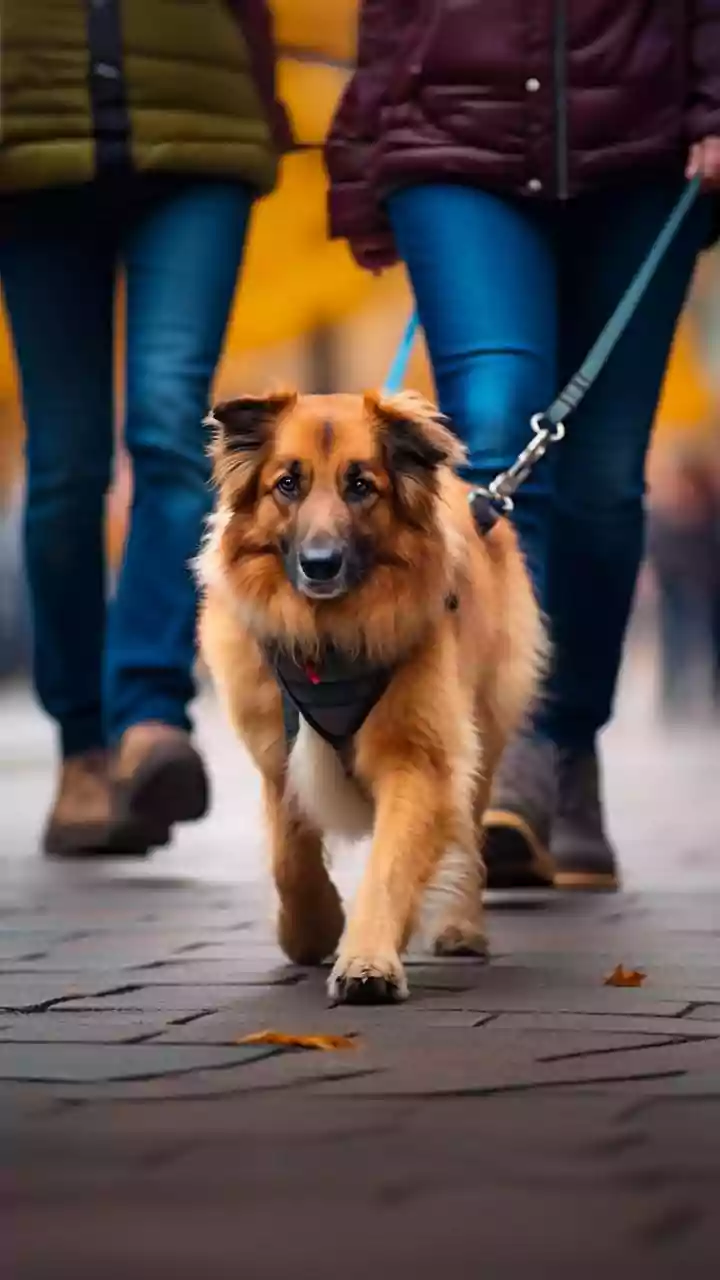





The Rise of the 'Fur Baby'
For generations in India, a dog was typically a guard for the yard or a hardy street-dweller. But in the bustling cities and burgeoning suburbs, a quiet revolution has been taking place. Driven by a growing urban middle class, rising disposable incomes,
and a delay in marriage and childbirth for many young professionals, pets have been promoted. They are no longer just animals; they are family. This new generation of owners sees themselves not as masters, but as “pet parents,” and their four-legged companions are “fur babies.” This shift in semantics is everything. These pets live indoors, sleep on beds, get top-of-the-line veterinary care, and are showered with the kind of affection once reserved for human children. This profound change in the human-animal bond is the engine driving the demand for pet-inclusive experiences, and travel is at the top of the list.
Leaving Guilt Trips Behind
With this new emotional bond comes a new emotional burden: guilt. For these devoted pet parents, the thought of leaving their furry family member in a sterile kennel or even with well-meaning relatives while they go on vacation is deeply unsettling. The annual holiday, meant to be a source of joy and relaxation, becomes tinged with anxiety. Social media feeds filled with pictures of sad-eyed dogs left behind only amplify this feeling. Entrepreneurs and hoteliers in India spotted this pain point. They realized that what these consumers wanted wasn't just a service, but a solution to an emotional problem. They weren't just selling a room; they were selling a guilt-free vacation where the entire family—paws and all—could create memories together.
A New Breed of Hospitality
The market has responded with remarkable speed and creativity. What started as a few niche homestays willing to look the other way for a well-behaved dog has exploded into a full-fledged industry. Today, you can find everything from boutique “paw-cation” resorts in the hills of the Western Ghats to luxury hotel chains in cities like Bengaluru and Delhi cautiously opening their doors to pets. These aren't just places that tolerate animals; they actively cater to them. It’s common to find hotels offering special pet beds, dedicated canine menus featuring boiled chicken and rice, private splash pools, and sprawling lawns for off-leash fun. Entire travel startups now exist solely to plan pet-friendly itineraries, navigating the complex logistics of finding accommodating transportation, stays, and even pet-friendly restaurants. This burgeoning ecosystem signals a permanent shift, not a fleeting fad.
Navigating the Obstacles
Of course, the path isn't entirely smooth. India's public infrastructure was not built with Fido in mind. Finding pet-friendly long-distance transport remains a significant hurdle, with railways having restrictive rules and airlines imposing their own complex regulations. Many national parks and public beaches still have strict no-pet policies. Furthermore, there's a cultural learning curve. Not all guests are thrilled to share a lobby with a golden retriever, and not all hotel staff are trained to handle animal needs. For every success story, there are tales of cancelled bookings and confused proprietors. But these challenges are becoming part of the trend itself—pioneering pet owners and businesses are actively working to create new norms, sharing information on blogs and social media groups, and slowly but surely, making the country more accessible for its four-legged residents.