






Beyond the Frozen Food Aisle
First, let's get one thing straight: these aren't your grandma’s Salisbury steaks. The modern ready meal has evolved far beyond the foil-tray dinners of yesteryear. The category now includes a sprawling ecosystem of services, from subscription boxes that
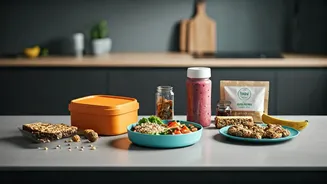
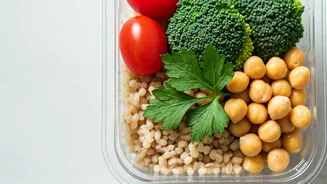
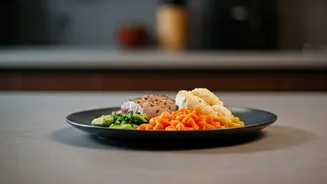
deliver fresh, fully-cooked meals to your door (like Factor or Freshly) to high-end prepared options available at grocery stores like Whole Foods and Wegmans. The key differentiator is the promise of quality and health. Instead of being engineered for a long shelf life in the freezer, many of these meals are designed by chefs, portioned by nutritionists, and delivered fresh, intended to be eaten within a few days. They’re built on a foundation of convenience that doesn’t ask you to sacrifice flavor or perceived nutritional value.
What Makes a Meal 'Smart'?
The 'smart' in this new dinner plan is a three-pronged pitch: nutrition, variety, and ultimate convenience. Unlike the one-size-fits-all TV dinner, these services are built on customization. You can filter meal plans by dietary preference—keto, paleo, vegan, high-protein, low-carb—and often exclude ingredients you dislike. The menus rotate weekly, fighting off the flavor fatigue that plagues anyone trying to stick to a routine. The nutritional information is front and center, allowing you to track macros and calories with precision. The biggest 'smart' feature, however, is the time it gives back. There’s no grocery shopping, no chopping, no sautéing, and virtually no cleanup. For a growing number of time-poor but health-conscious Americans, outsourcing dinner is the ultimate life hack.
But Are They Actually Healthy?
This is the million-dollar question. While many services tout fresh ingredients and balanced macros, 'healthy' can be a subjective and sometimes misleading term. A chef-designed meal might still be high in sodium to ensure it tastes good after being reheated. Some options, particularly those focused on rich sauces or comfort-food classics, can be surprisingly high in saturated fat and calories. The key is to be a discerning consumer. Read the nutritional labels just as you would in a grocery store. Look for meals that prioritize whole foods, lean proteins, and plenty of vegetables. Many services are transparent about their ingredients, but it’s on you to look past the appetizing photos and marketing language. Generally, they are a significant step up from fast food or old-school frozen dinners, but they don't absolve you from the responsibility of making informed choices.
Bracing for the Convenience Tax
This level of convenience doesn't come cheap. A single ready meal typically costs between $12 and $18, depending on the service and your subscription plan. For a single person, that could mean spending over $100 a week for dinners alone. When you compare that to the cost of groceries for home-cooked meals, it’s significantly more expensive. However, the calculation changes when you compare it to your other convenience options. It’s often cheaper—and almost always healthier—than ordering takeout or delivery every night. You’re not just paying for food; you're paying for the time saved on planning, shopping, cooking, and cleaning. For many busy professionals or new parents, that trade-off is more than worth it. It’s a premium price for a premium service: the gift of free time.
So, Who Is This Really For?
Ready-meal services have found their sweet spot with a few key demographics. They’re a godsend for busy single professionals who work long hours and want to avoid the nightly allure of a pizza delivery app. They’re also a lifeline for couples without kids (DINKs) who value both their health and their free evenings. Fitness enthusiasts who meticulously track their macros find the built-in portion control and nutritional data incredibly useful for hitting their goals. Finally, they can be a great transitional tool for people who want to eat better but feel overwhelmed by cooking, or for new parents navigating the beautiful chaos of life with a newborn. If you love the process of cooking, enjoy grocery shopping, or are on a very tight budget, these services probably aren't for you. But if you see dinner as a daily problem to be solved efficiently, this might just be the 'smart' plan you've been waiting for.