


What Exactly Is the Hemis Festival?
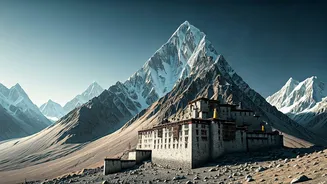
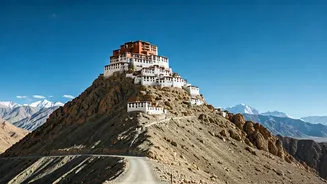
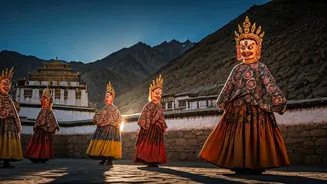
The Hemis Festival is an annual two-day event held at the Hemis Monastery, a 17th-century Tibetan Buddhist institution tucked away in the starkly beautiful mountains of Ladakh. The festival commemorates the birth of Guru Padmasambhava, the revered sage
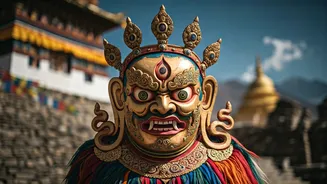
credited with bringing Tantric Buddhism to Tibet. For visitors, it’s a breathtaking cultural immersion. The monastery's courtyard transforms into a stage for the famous ‘cham’ dances, where monks don elaborate silk costumes and fearsome, intricate masks representing various deities and demons. Accompanied by the clang of cymbals, the drone of long horns, and the beat of drums, these sacred dances tell stories of good triumphing over evil, offering a mesmerizing window into a deeply spiritual world.
A Spectacle in the 'Land of High Passes'
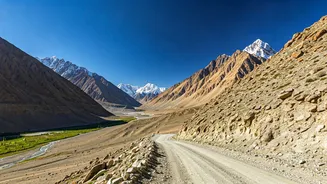
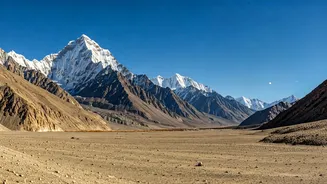
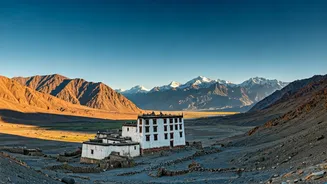
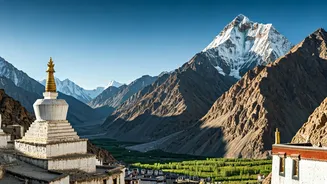
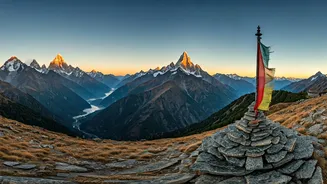
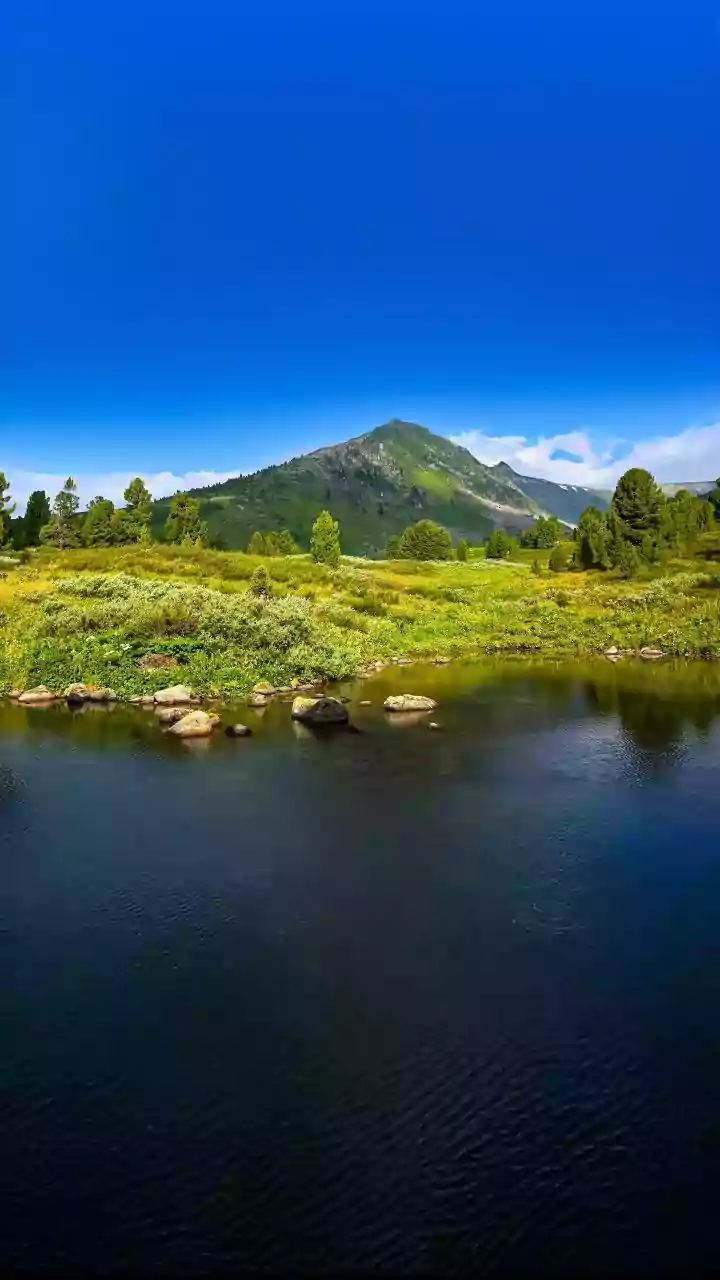
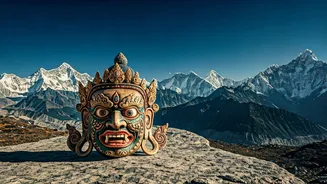
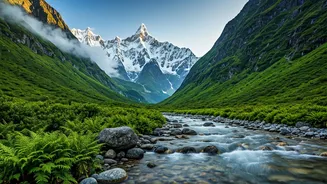
What makes the Hemis Festival an unforgettable experience is its setting. Ladakh, often called 'Little Tibet' or the 'Land of High Passes,' is a high-altitude desert region defined by dramatic, barren peaks, turquoise rivers, and a piercingly blue sky. The visual contrast between the stark, lunar landscape and the festival's vibrant pageantry is stunning. It’s not just a performance; it’s an ancient ritual unfolding in one of the world's most epic landscapes. For American travelers seeking experiences that feel truly remote and authentic, this is it. You're not just watching a show; you are bearing witness to a living tradition that has survived for centuries in relative isolation.
The High-Altitude Reality Check
A trip to Ladakh is not a casual vacation; it’s an adventure that requires preparation. The region’s main hub, Leh, sits at an elevation of over 11,500 feet. This means altitude sickness, or Acute Mountain Sickness (AMS), is a serious risk. Symptoms can range from headaches and dizziness to more severe, life-threatening conditions. The golden rule for travelers is to take it easy. Plan to spend at least two full days acclimatizing in Leh upon arrival—this means no strenuous activity, just resting, hydrating, and allowing your body to adjust before heading to Hemis or exploring further. Travel within the region involves navigating winding mountain roads, and while the infrastructure has improved, the journey is as much a part of the experience as the destination.
Why This Is the Critical Booking Window
The “alert” in the headline is no exaggeration. Ladakh has a very short tourist season, typically from June to September, when the mountain passes are clear of snow. The Hemis Festival, which usually falls in June or July, marks the peak of this peak season. Accommodation in Leh and the surrounding areas is limited, and the best-located hotels and guesthouses are often booked solid months in advance by tour groups and independent travelers. Flights into Leh's Kushok Bakula Rimpochee Airport—the only practical way for most international visitors to arrive—also fill up quickly, with prices soaring as the festival dates approach. This week represents the final scramble for remaining flights, rooms, and spots on guided tours, making it a make-or-break moment for anyone hoping to attend this year.
Can You Still Plan a Trip?
While challenging, it’s not entirely impossible. Your best bet for a last-minute trip is to work with a reputable travel agency, either in the U.S. or based in India. These operators often hold block bookings for hotels and can assemble a package that includes transport and a guide, taking the logistical headache off your plate. If you're booking independently, be prepared for flexibility. You may not get your first-choice hotel, and you'll need to book any available flight immediately. Consider looking for accommodation in villages slightly outside Leh for more options. The key is to act decisively and have a backup plan. Secure your flight first, as that is the biggest hurdle, then immediately lock down your accommodation.