



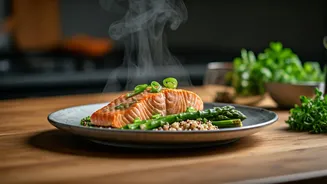

The TV Dinner Gets a Glow-Up
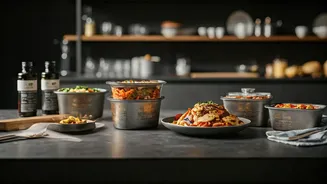
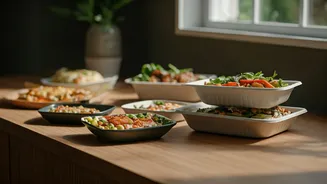
Let’s be clear: this isn’t about a slightly better frozen lasagna. The new wave of premium ready-to-eat (RTE) meals has fundamentally redefined the category. These are often fresh, not frozen, meals delivered directly to your door, designed by chefs and
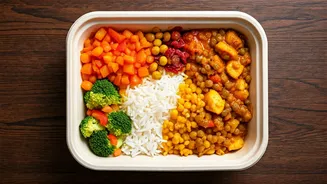
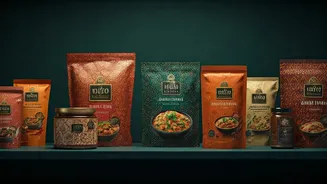
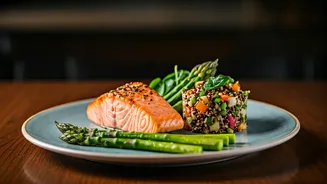
guided by nutritionists. Think grass-fed steak with chimichurri and roasted sweet potatoes, or salmon in a dill cream sauce with asparagus. Companies like Factor, CookUnity, and Trifecta are leading the charge, offering menus that cater to specific dietary preferences—from keto and paleo to high-protein and plant-based—that were once the domain of dedicated home cooks or niche restaurants. The emphasis is on clean labels, whole foods, and transparent sourcing. It's a complete rebranding of convenience, moving the goalposts from simply “not cooking” to actively “eating well without cooking.”
Why Is This Happening Now?
This evolution isn’t an accident; it’s a response to major shifts in American life. The pandemic was a massive accelerator. As millions transitioned to working from home, the 20-minute lunch break became the norm, but the desire for a healthy, satisfying meal didn’t disappear. These services filled the gap perfectly, offering a better-for-you alternative to repetitive sandwiches or greasy takeout. Beyond the logistics of the workday, there’s a broader cultural current at play. The wellness movement has made consumers more discerning than ever about what they put in their bodies. We now demand food that is not just fast but functional—fueling workouts, supporting cognitive function, or adhering to a specific health regimen. These premium RTE meals are marketed not as a compromise, but as a proactive choice for a high-performance lifestyle.
A New Business Model for Food
A key part of this story is the business model. Many of the most successful players are direct-to-consumer (DTC) subscription services. By cutting out the grocery store middleman, they can deliver fresher products and maintain a direct feedback loop with their customers. This digital-first approach allows for incredible personalization, where users can filter meals by dietary needs, ingredients, and even specific macronutrient targets. It also creates a powerful sense of community and lifestyle branding that a product sitting in a freezer aisle could never achieve. Seeing the success of these upstarts, traditional grocery stores are now racing to catch up. Retailers like Whole Foods and Kroger are expanding their own lines of premium prepared foods, offering sophisticated, single-serving meals that go far beyond the standard rotisserie chicken.
The Real Cost of Convenience
Of course, this premium experience comes with a premium price tag. A single meal typically costs between $12 and $18, a figure that can cause sticker shock if you’re comparing it to a $4 frozen dinner. But that’s the wrong comparison. The true value proposition of these meals lies in the middle ground they occupy. They are significantly cheaper and often healthier than ordering from a restaurant or a service like DoorDash, where fees and tips can quickly double the cost of a dish. At the same time, they are infinitely more convenient than a meal kit service like Blue Apron, which still requires 30-45 minutes of chopping, cooking, and cleaning. For busy professionals, fitness enthusiasts, and new parents, the calculation is simple: they are buying back time, one of the most valuable commodities of all, without sacrificing their health goals.