






The World’s Rain Capital
To understand the drama, you need to understand the numbers. Two villages in Meghalaya, Mawsynram and Cherrapunji (now officially Sohra), regularly trade the title for the wettest place on the planet. We’re not talking a few inches of rain; Mawsynram receives
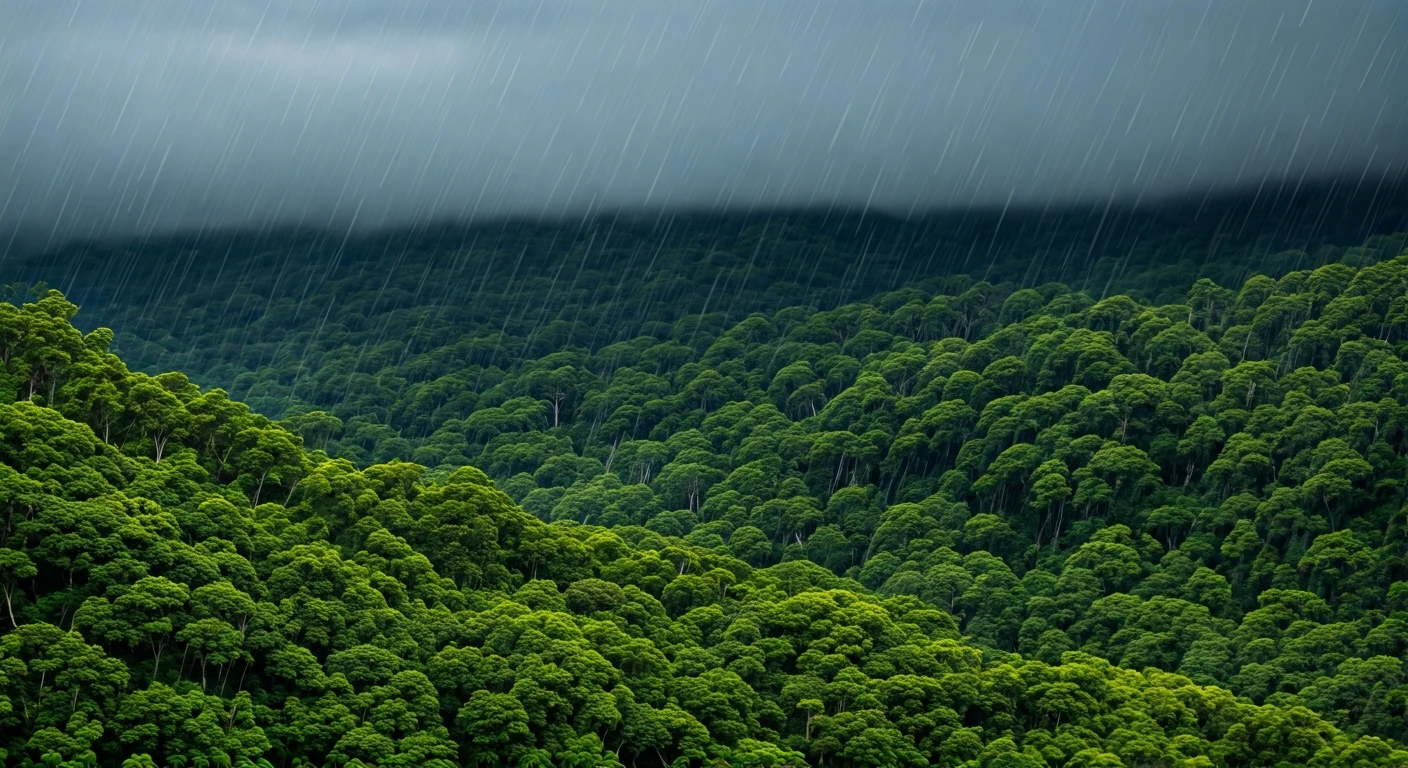
an average of about 467 inches of rainfall a year. For perspective, Seattle gets about 38 inches. This isn't a metaphor; it's a meteorological superlative. The monsoon season, which runs roughly from June to October, sees clouds get funneled from the Bay of Bengal and trapped by the Khasi Hills, forcing them to dump their staggering moisture load. The result is a constant, percussive, and all-encompassing downpour that locals don't just endure—they live in harmony with it.
A Landscape Reborn in Water
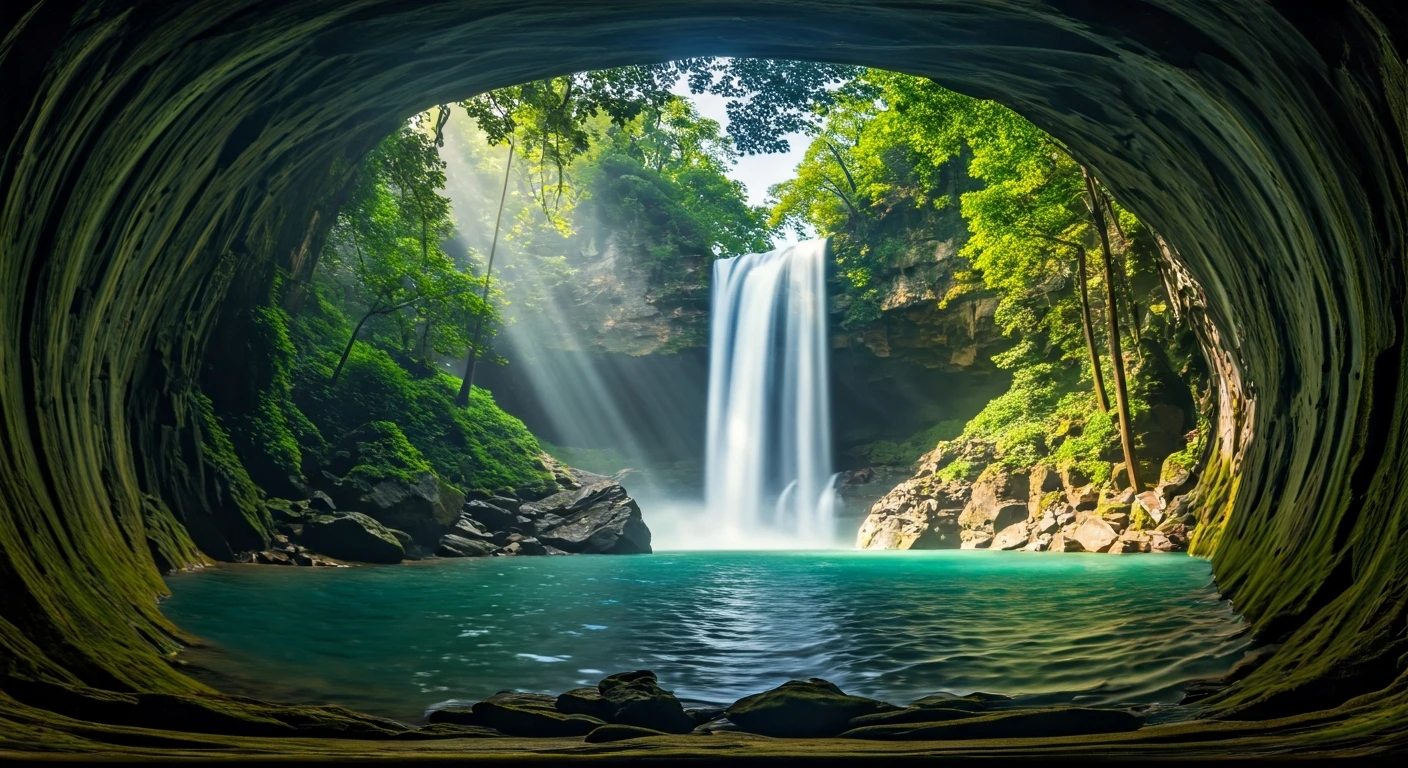
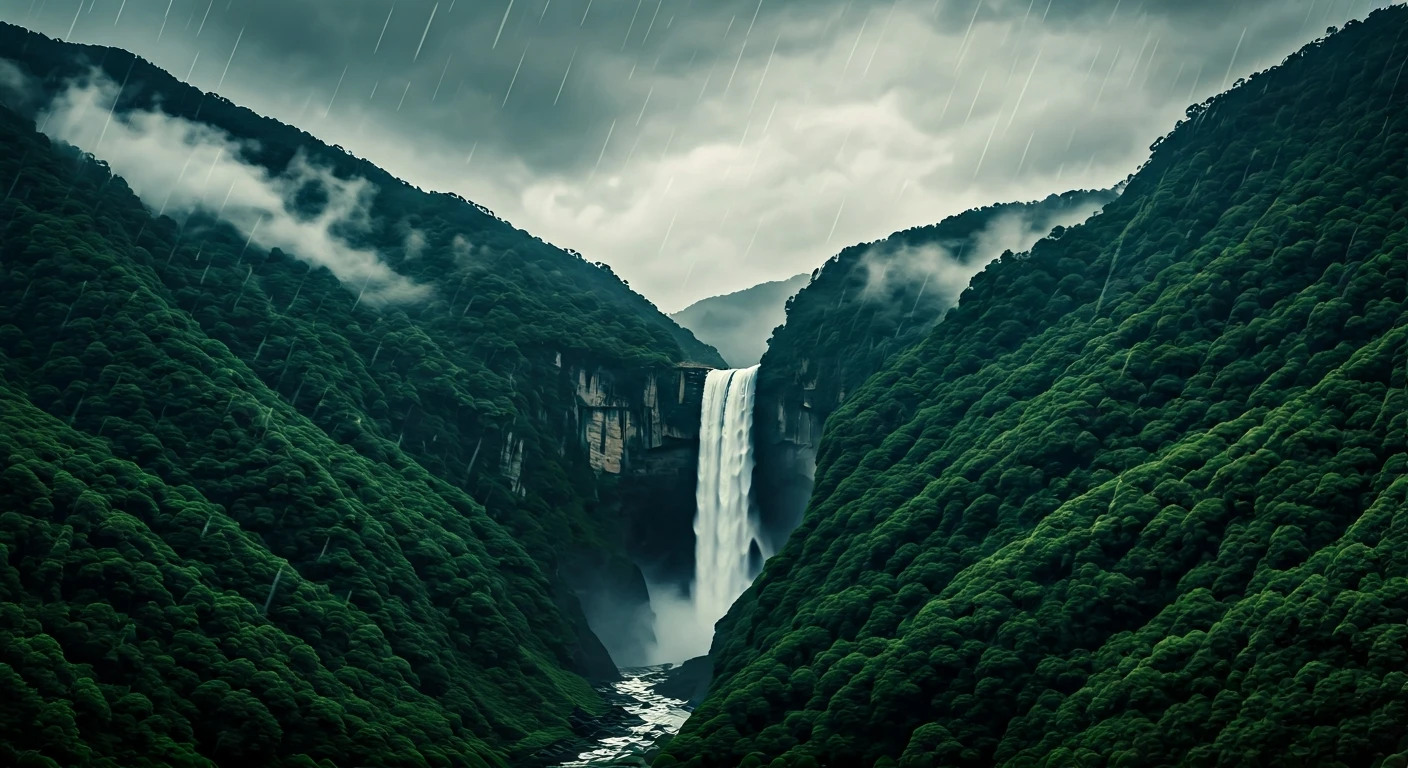
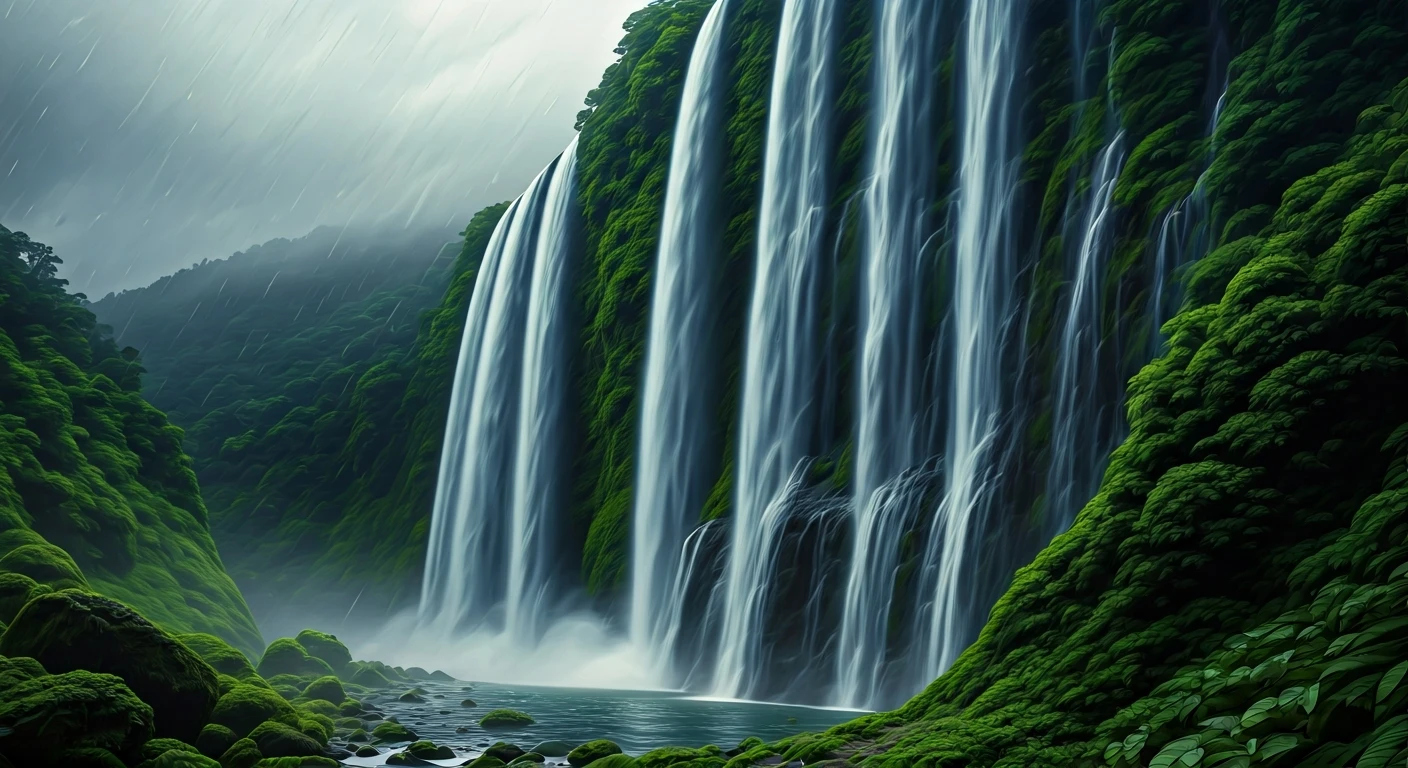
The true “drama” isn’t in the statistics but in the visual transformation. When the monsoon hits, Meghalaya explodes with life. The rolling hills, already green, turn a shade of fluorescent emerald that seems almost unreal. Dry riverbeds become raging torrents, and the region’s signature feature appears: waterfalls. Not just a few famous ones, but thousands of them. They cascade from every cliff face, every rock ledge, creating a world in constant, fluid motion. The air becomes thick with a permanent mist, giving the entire state a mystical, dreamlike quality. Driving through the winding roads, you’re often literally inside a cloud, with visibility dropping to a few feet as ghostly waterfalls appear and disappear in the fog.
The Symphony of the Storm
A Meghalayan monsoon is as much an auditory experience as a visual one. The sound is relentless and complex. It’s not the gentle pitter-patter you might find romantic. It’s a full-throated roar. There’s the booming bass of major waterfalls, the constant drumming of heavy drops on tin roofs, the hiss of water running in sheets down every available surface, and the gurgle of countless new streams. For visitors, the constant sound can be overwhelming at first. For locals, it’s the soundtrack of their most vibrant season, a white noise that signals the replenishment of the land. It’s a powerful reminder that in this part of the world, nature is firmly in charge.
Ingenuity Forged by Rain
Living in a place where rivers can swell to impassable torrents in a matter of hours requires incredible adaptation. This is where Meghalaya’s most famous marvel comes in: the living root bridges. For centuries, the indigenous Khasi and Jaintia peoples have guided the roots of the Ficus elastica tree across rivers and chasms. Over decades, these roots grow and intertwine, forming strong, living structures that are far more resilient to the monsoon’s power than any wooden or concrete bridge could be. These bridges, some over 100 feet long, are a breathtaking testament to patient, sustainable engineering. They are a perfect symbol of Meghalaya’s relationship with its climate—not one of fighting nature, but of working with its immense power to create something beautiful and enduring.