





The Downfall of the 'Micro-Trend'
For years, the dominant fashion logic was more, more, more. Driven by social media and ultra-fast fashion retailers, micro-trends emerged and died within weeks. One week it was a specific shade of green, the next it was a particular cut-out top that was suddenly
everywhere, and just as suddenly, gone. The result was what many now call “chaotic closet energy”—a wardrobe stuffed with poorly made, trend-chasing items that offered a short-term dopamine hit but no long-term style or satisfaction. This cycle created a constant pressure to buy, leading to overflowing closets filled with synthetic fabrics and buyer’s remorse. For a generation that grew up online, witnessing the peak and burnout of influencer “haul” culture, the entire model started to feel exhausting and, frankly, a little embarrassing.
Sustainability Meets Economic Reality
The pushback against wardrobe chaos isn’t just an aesthetic choice; it’s rooted in two of Gen Z’s defining principles: sustainability and economic pragmatism. This is the generation most vocal about the climate crisis, and the environmental and human cost of fast fashion—from water pollution to landfill waste to exploitative labor practices—is impossible for them to ignore. An overstuffed closet of cheap clothes is increasingly seen not as a sign of wealth, but of waste. At the same time, Gen Z faces a challenging economic landscape with rising costs and wage stagnation. The idea of spending hundreds of dollars a year on clothes that fall apart after three washes is no longer appealing, if it ever was. Instead, there’s a growing appreciation for cost-per-wear. Spending more on a single, high-quality, timeless piece that will last for years feels smarter and more responsible than buying ten cheap items that will quickly end up in a donation bin.
Enter the Curated Closet
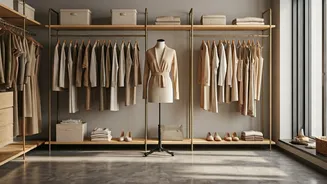
So what does the post-chaos closet look like? It’s intentional. It’s smaller. And it’s a lot more personal. Concepts like the “capsule wardrobe”—a limited collection of interchangeable pieces that harmoniously work together—are gaining mainstream traction. The goal is no longer to have a different outfit for every day of the month, but to have a reliable set of clothes that make you feel good and reflect your actual identity. This new mindset prioritizes personal style over fleeting trends. It’s about finding a “personal uniform” and investing in quality basics—the perfect white t-shirt, a durable pair of jeans, a well-made coat. It champions repairing clothes instead of replacing them and finding joy in wearing a favorite item over and over again. This approach transforms the closet from a source of stress and decision fatigue into a curated space of calm and self-expression.
The Rise of Secondhand as a First Choice
The single biggest driver of this movement is the explosion of the resale market. Platforms like Depop, Poshmark, ThredUp, and Vinted have fundamentally changed how Gen Z shops. For them, “secondhand” doesn’t have the dusty, thrift-store stigma it may have had for previous generations. It’s a first-choice destination for finding unique vintage pieces, high-quality brands at a lower price point, and a way to participate in fashion without contributing to new production. Scrolling through Depop is a form of treasure hunting that’s both sustainable and cool. It allows for experimentation with style in a way that feels more authentic and less cookie-cutter than buying from a mass-market retailer. This circular approach—buying used, and selling what you no longer wear—is the practical application of Gen Z’s desire to build a more sustainable and individualistic wardrobe.