




The Great Himalayan Rain Shadow
For travelers planning a summer trip to the Indian subcontinent, the monsoon is the elephant in the room. From June to September, heavy rains can wash out roads, disrupt plans, and obscure majestic views. But there's a geographical loophole, and its name
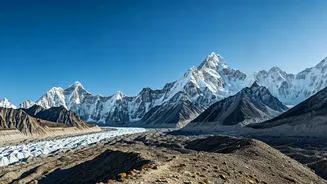
is Ladakh. Tucked away in the far north of India, this region sits in the rain shadow of the great Himalayan range. As moisture-laden monsoon clouds roll in from the Indian Ocean, they are blocked by the massive peaks, which act as a formidable wall. The clouds dump their rain on the southern slopes, leaving Ladakh—on the other side—almost completely dry. The result is a high-altitude cold desert, a starkly beautiful landscape of barren mountains, deep blue skies, and an average of only a few inches of rainfall per year. This unique meteorological quirk turns what is a travel low-season for much of India into the absolute peak season for Ladakh.
A Desert of Rock and Sky
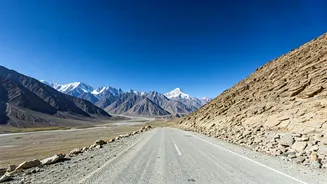
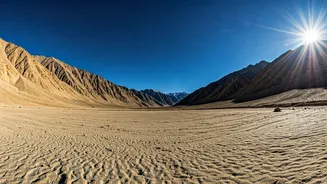
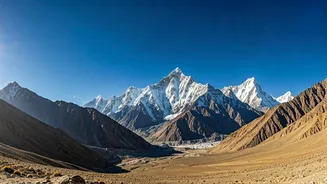
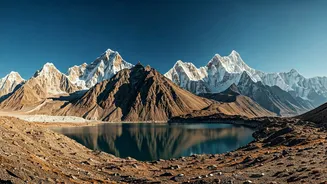
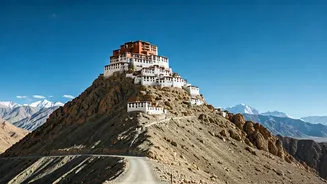
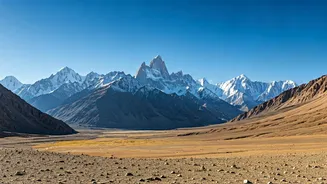
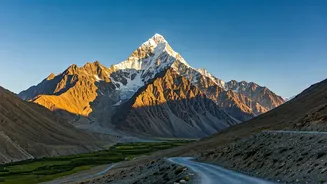
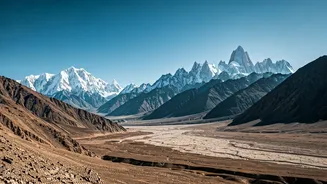
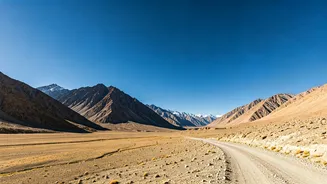
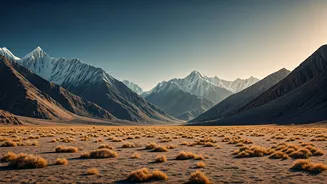
To call Ladakh a desert might conjure images of sand dunes, but the reality is far more dramatic. This is a world of raw, elemental beauty. Picture vast, sun-drenched valleys painted in shades of ochre, mauve, and grey, carved by glacial meltwater rivers that run a shocking shade of turquoise. The air is thin, crisp, and so clear that the serrated mountain peaks seem close enough to touch. With an average elevation of over 10,000 feet, the sky takes on a deep, almost violet-blue hue, providing a stunning backdrop for ancient monasteries clinging to rocky outcrops. While the rest of the country is under a blanket of grey cloud, Ladakh offers endless sunshine, making it a paradise for photographers, adventurers, and anyone seeking solace in wide-open spaces. It’s a landscape that feels both ancient and otherworldly, a corner of the Tibetan Plateau that has spilled into India.
The Season of Open Roads
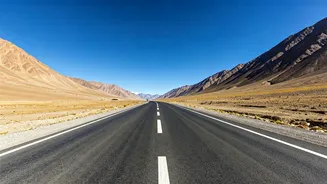
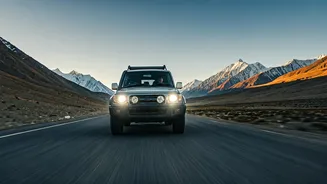
This perfect summer weather window means one thing: adventure. The season’s greatest draw is the accessibility of its legendary high-altitude roads. Routes from Manali and Srinagar—themselves epic, multi-day journeys—are cleared of their heavy winter snow, opening up Ladakh to road-trippers and motorcyclists from around the world. Even more iconic are the passes within Ladakh itself. This is the only time of year you can reliably drive over Khardung La, once famously billed as the world's highest motorable pass, to reach the breathtaking Nubra Valley. Here, you’ll find the improbable sight of Bactrian camels trekking across sand dunes against a backdrop of snow-capped peaks. Similarly, the road to Pangong Tso, a mesmerizing high-altitude saltwater lake that stretches into Tibet, becomes a pilgrimage for travelers who come to witness its waters change color from azure to indigo throughout the day.
Culture Under a Summer Sun
Ladakh's summer vibrancy isn't limited to its landscapes. The season is also a time of cultural celebration. With its deep roots in Tibetan Buddhism, the region is dotted with some of the most spectacular and well-preserved monasteries (gompas) in the world. Thiksey Gompa, a sprawling complex that resembles the Potala Palace in Lhasa, and the ancient Hemis Monastery are essential stops. If you time your visit right, you can witness one of the vibrant summer festivals. The Hemis Festival, typically held in June or July, is a riot of color, sound, and faith, featuring masked dances by monks that depict the triumph of good over evil. These events offer a profound glimpse into a culture that has thrived for centuries in this isolated, challenging environment. The warmth and sunshine bring locals and visitors alike outdoors, creating a lively, welcoming atmosphere in the markets of Leh, the region's capital.
A Gentle Word of Warning
While Ladakh offers a perfect escape, it's not a casual beach vacation. The biggest challenge is the altitude. The main airport in Leh is situated at 11,500 feet, and flying in means you are immediately exposed to an oxygen level roughly 40% lower than at sea level. The key to a successful trip is acclimatization. Plan to spend your first two days in Leh doing nothing more strenuous than short walks and drinking plenty of water. Pushing too hard, too fast, is a surefire way to get altitude sickness and ruin your trip. This is a journey that rewards patience. It’s for the traveler who is willing to trade a bit of physical comfort for an experience that is truly unforgettable—a chance to see a different, drier, and deeply profound side of India.