




More Than Just a Concert Ticket
So, what exactly is music tourism? At its core, it’s the simple act of traveling to a different city or country primarily to experience a musical event. But in 2024, it’s far more than just catching a show. We’re not just talking about following your
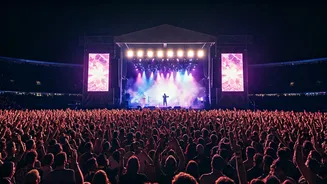
favorite jam band across the country in a VW van anymore. This modern trend encompasses everything from snagging nosebleed seats for a pop megastar in a city you’ve never visited, to planning a pilgrimage to a legendary festival like Coachella or Newport Folk, to building a trip around the musical heritage of a place like Nashville, New Orleans, or Memphis. It’s the intentional decision to make music the anchor of your travel plans, with the destination itself becoming the exciting co-star.
The Post-Pandemic Experience Boom
Why is this happening now? The answer is rooted in a post-pandemic hunger for real, tangible experiences. After years of lockdowns and virtual everything, people are placing a higher value on live, communal events. The isolation of the pandemic era created a deep-seated demand for the collective energy that only a live show can provide. A recent study found that a majority of travelers are more likely to travel for a concert now than they were before 2020. This isn't just about seeing an artist; it's about being part of a moment, sharing an experience with thousands of other fans, and creating a memory that feels more significant than another streamed series or material purchase. The “experience economy” isn’t a new concept, but it’s been supercharged, with live music at its epicenter.
The "Swift Lift" and Economic Impact
You can’t talk about music tourism today without mentioning the seismic economic shifts caused by mega-tours. The phenomenon has been dubbed the "Swift Lift" or "Beyoncé Bump" for a reason. When Taylor Swift's Eras Tour or Beyoncé's Renaissance Tour rolls into town, they don't just fill a stadium; they transform the local economy for a weekend. Hotels sell out, restaurants are packed, and local businesses see a surge in revenue that rivals a Super Bowl. Cities are now actively courting major musical acts, recognizing them as powerful economic engines. This has legitimized music tourism in the eyes of the travel industry, moving it from a niche hobby to a major market segment that analysts and tourism boards are tracking closely.
It’s a Trip, Not Just a Ticket
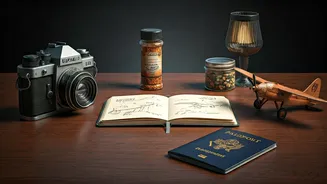
For the traveler, the appeal is about building a whole vacation around a single, high-point event. The concert is the excuse, but the trip is the reward. Instead of just driving to a local arena and going home, music tourists are extending their stays. They arrive a day early to explore the city, try the local food scene, and visit museums. The day after the show is for recovering at a local coffee shop and sightseeing. Social media plays a huge role here, with fans documenting their entire journey—the outfits, the pre-show meals, the city exploration—turning a three-hour concert into a multi-day, content-rich adventure. It’s a more holistic and immersive way to travel, where the destination and the event enhance each other.