
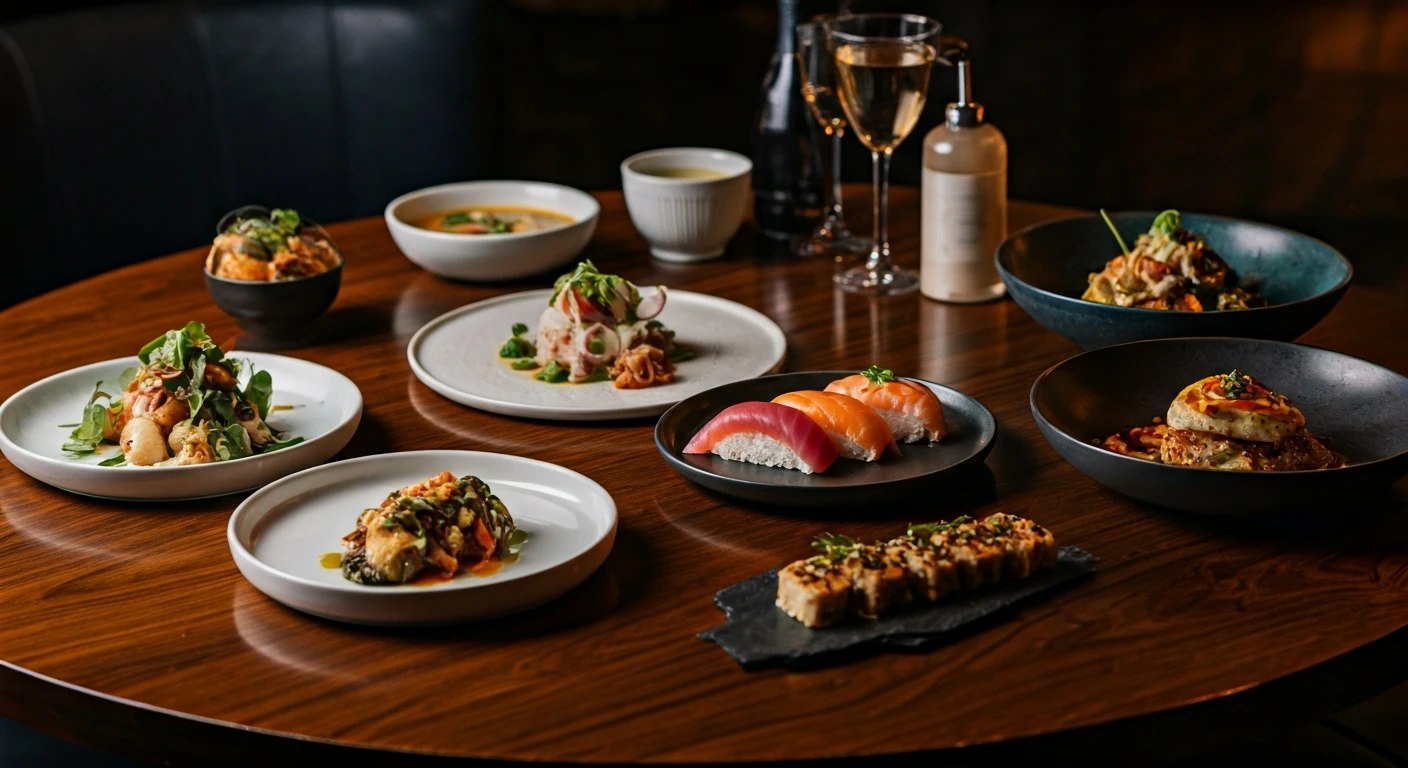
The Omakase and Izakaya Obsession
If one trend defines Mumbai’s new fine-dining landscape, it’s the city’s sudden, wholehearted embrace of high-end Japanese cuisine. Just a few years ago, a world-class sushi experience was a rarity. Today, a wave of slick, intimate restaurants specializing
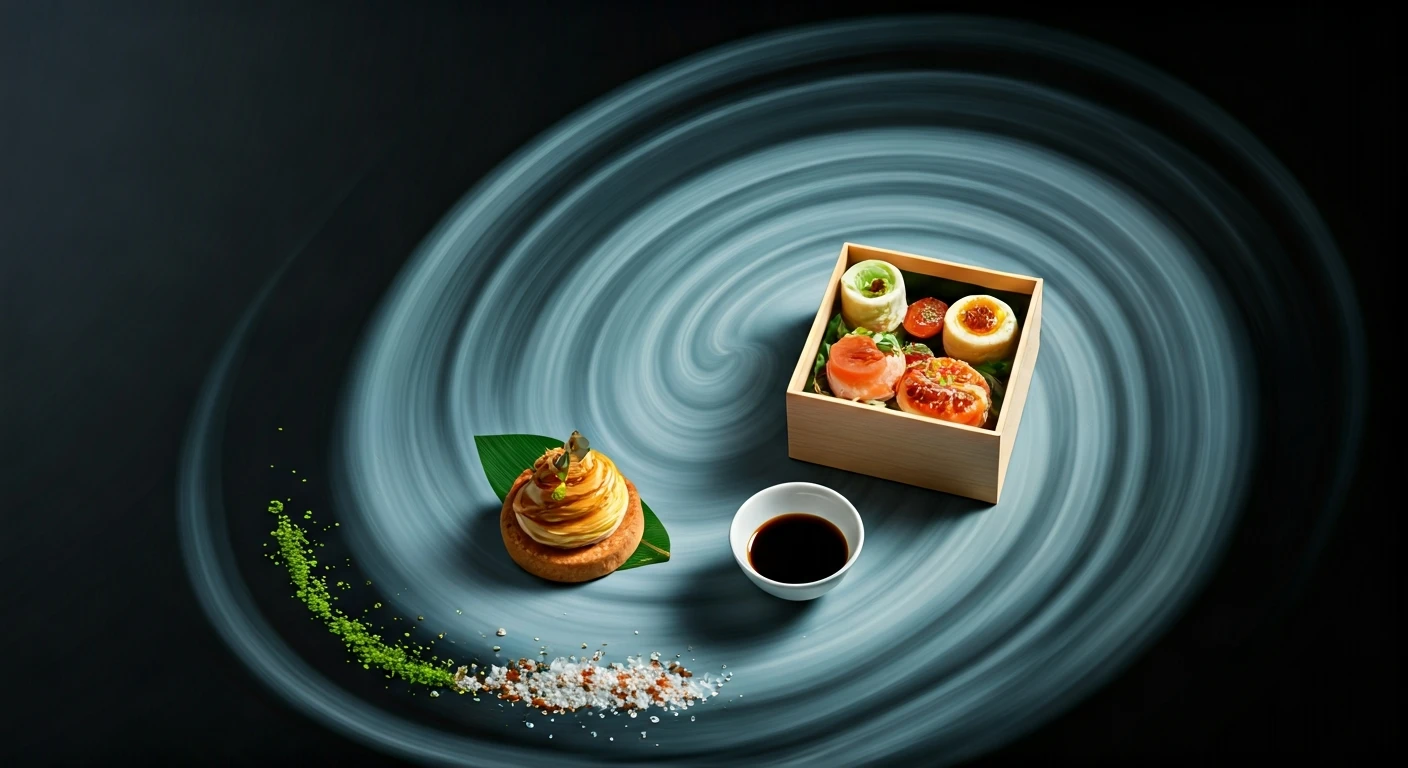
in *omakase*—a multi-course tasting menu left entirely to the chef’s discretion—are the most coveted reservations in town. Places like Izumi in Bandra and the ultra-exclusive Akina in Santacruz are not just serving sushi; they’re recreating the authentic Tokyo experience, complete with meticulously sourced fish, minimalist decor, and highly skilled chefs performing culinary theater. This isn't your corner store’s California roll. This is a new level of sophistication, catering to a clientele that values craft and authenticity, and is willing to pay a premium for it. The rise of Japanese izakayas (informal pubs) also speaks to a desire for more than just a meal, offering a complete cultural experience with small plates and curated sake lists.
From K-Dramas to Korean BBQ
The Japanese wave is part of a larger current. Thanks in no small part to the global influence of K-pop and K-dramas, Korean food has exploded in popularity. Young Mumbaikars are seeking out the sizzling platters of galbi and the bubbling, spicy comfort of kimchi jjigae they’ve seen on screen. Restaurants are responding with authentic Korean barbecue joints where diners grill their own meat at the table, creating a communal, interactive experience that feels worlds away from a formal dinner. This trend highlights a key driver of Mumbai’s food rush: global media consumption is directly shaping local appetites. When a character in a popular Netflix show eats tteokbokki (spicy rice cakes), a new craving is born, and a savvy restaurateur is ready to satisfy it.
The New Drivers of Taste
So, what’s fueling this dramatic shift? It’s a perfect storm of economic and cultural factors. Post-pandemic “revenge dining” certainly plays a part, with people eager to spend on memorable experiences after years of restrictions. But the deeper force is a demographic one. Mumbai is home to a growing class of young, affluent professionals who are well-traveled, digitally native, and globally minded. Their Instagram feeds are filled with food from New York, London, and Tokyo, and they now demand those same experiences at home. They aren't just looking for dinner; they're looking for a story, an aesthetic, and a taste of the world. This has created a fertile ground for restaurateurs and international chefs to experiment, confident that there is an audience ready and willing to explore.
Not Just Imports, but Innovations
While the spotlight is on international arrivals, the most exciting part of this movement is the two-way conversation. This isn't a story of culinary colonization. Mumbai's most celebrated chefs are using this global influx as inspiration to reinvent Indian food itself. Acclaimed restaurants like Ekaa and The Bombay Canteen are diving deep into India’s vast regional biodiversity, applying modern European techniques and global plating styles to indigenous ingredients. The result is a cuisine that is proudly Indian in its soul but unabashedly contemporary in its execution. A humble local vegetable might be presented in a way that would feel at home in a Michelin-starred restaurant in Copenhagen. This confidence to innovate, to look both outward and inward, is what makes Mumbai’s current food moment so compelling.