




From Mountaintops to the Edge of Space
When we say adventure tourism is reaching 'new heights,' the statement is surprisingly literal. The final frontier of tourism is no longer a remote continent, but space itself. Companies like Virgin Galactic and Blue Origin have officially moved suborbital
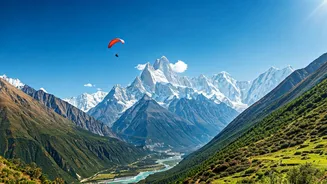
flights from science fiction to a (very exclusive) travel catalog. For a price tag that rivals a luxury home, civilians can now experience weightlessness and see the curvature of the Earth. While this remains a dream for all but the ultra-wealthy, it represents a seismic shift in our definition of 'destination.' Back on Earth, altitude remains a powerful draw. While climbing Mount Everest has long been the pinnacle of mountaineering, the commercialization of high-altitude treks has made once-unthinkable peaks in the Himalayas and the Andes more accessible to determined amateurs. Expedition companies now offer curated experiences that handle logistics, guiding, and safety, allowing clients to focus on the physical and mental challenge. This professionalization has broadened the market for extreme ascents, turning personal limits into the ultimate bucket-list commodity.
Exploring the World's Depths and Ends
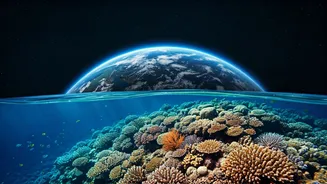
The quest for the unknown isn't just vertical; it's also about plunging into the deep and venturing to the planet's most isolated corners. Deep-sea tourism offers a glimpse into a world few have ever witnessed. Private submersibles can now take tourists to explore historic shipwrecks, like the Titanic, or observe bioluminescent creatures in the ocean's midnight zone. Much like space travel, these voyages are technologically complex and prohibitively expensive, but they signal a growing appetite for exploring the last truly uncharted territories on our own planet. Simultaneously, 'last-chance tourism' is booming. Travelers are flocking to destinations under threat from climate change, such as the polar ice caps, the Great Barrier Reef, and rapidly receding glaciers. These trips are framed as both an adventure and an act of bearing witness. Expedition cruises to Antarctica and the Arctic, once the domain of hardened scientists, are now luxury affairs, complete with gourmet meals and expert lectures. The thrill is amplified by the knowledge that the landscape you're seeing may not exist in the same way for the next generation.
Why We're Seeking Out Discomfort
So, what's driving this collective push toward the extreme? The answer is a mix of cultural, psychological, and technological factors. In a world of digital saturation and predictable routines, many people are craving tangible, transformative experiences. After years of pandemic-era restrictions, there’s a pent-up demand for 'big' life-affirming moments that make us feel alive. Adventure travel provides a powerful antidote to monotony, offering challenges that test our resilience and strip away the noise of modern life. This trend is also fueled by the 'experience economy,' where status is increasingly defined not by what you own, but by what you've done. A stunning photo from a Patagonian ice cave or a video from a shark dive carries more social currency than a luxury watch. More profoundly, psychologists suggest that controlled, high-stakes challenges can build confidence and provide a sense of mastery that's often missing from our professional lives. It’s not just about an adrenaline rush; it’s about personal growth.
The Adventure Mindset for Everyone
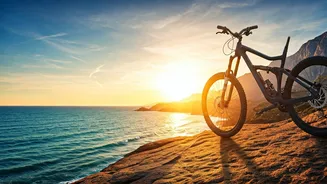
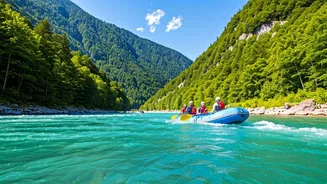
While trips to space and the deep sea are out of reach for most, the spirit of this trend is trickling down and reshaping travel for everyone. The 'micro-adventure'—short, local, and challenging outdoor experiences—is on the rise. Think weekend bikepacking trips, kayaking a nearby river, or tackling a tough local trail. The core idea is the same: to step outside your comfort zone, engage with the natural world, and return with a story to tell. Tour operators are responding by offering 'adventure-lite' options that blend comfort with challenge. You can now find guided trips for multi-day desert hikes that end with a stay in a luxury yurt, or culinary tours that involve foraging for your own ingredients in the wild. This democratization of adventure proves that you don't need a six-figure budget to find a transformative experience. The mindset has shifted from passive observation to active participation.