





From Guilty Pleasure to Functional Fuel
For generations, comfort food has been our reliable, if slightly guilt-inducing, friend. It’s the mac and cheese of our childhood, the pint of ice cream after a bad day, the heavy blanket of a Sunday roast. Its purpose was simple: to soothe, to satisfy,
to console. But a seismic shift is underway. The wellness industry, having already optimized our workouts, sleep, and morning coffee, has now come for our cookies. The result is a booming category of 'functional' comfort foods, where indulgence and self-optimization are no longer mutually exclusive. These products promise the nostalgic pleasure of a classic treat infused with the purported benefits of ingredients like adaptogens (ashwagandha, reishi), nootropics (L-theanine, lion's mane), and CBD. The 'guilty' has been surgically removed from the pleasure, replaced by a halo of therapeutic virtue.
The New Comfort Cabinet
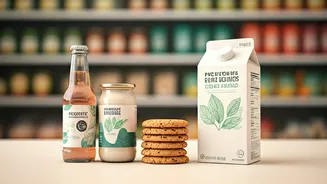
A stroll through a modern grocery store, or more likely a scroll through your Instagram feed, reveals a pantry's worth of examples. You’ll find brownies laced with ashwagandha, an herb used in Ayurvedic medicine and claimed to help the body manage stress. There are 'dreamy' ice creams with melatonin and magnesium, positioned as the perfect pre-bedtime scoop. Hot chocolate mixes are being turbocharged with reishi and chaga mushrooms, promising immune support alongside rich, chocolatey flavor. Even savory staples aren't immune. Think pasta made from protein-rich chickpea flour, potato chips cooked in avocado oil, and snack puffs dusted with 'detoxifying' spirulina. Candy brands are launching gummy 'supplements' for everything from focus to sleep, blurring the line between a sweet treat and a vitamin. These aren't just health foods in disguise; they are comfort foods wearing a wellness costume.
Giving Ourselves Permission to Indulge
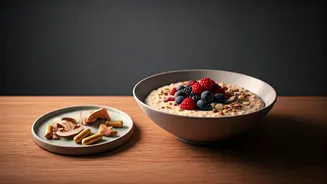
So, why is this trend exploding now? The appeal is deeply psychological. In a culture obsessed with productivity and self-improvement, pure, unproductive pleasure can feel like a vice. We want the emotional release of comfort food, but the lingering voice of wellness culture whispers that we should be doing something 'good' for our bodies at all times. Functional comfort foods offer a perfect compromise. They provide a permission slip. Eating this cookie isn't just an indulgence; it's an act of self-care. This bowl of cereal isn't empty calories; it's 'brain food.' The marketing genius lies in reframing the narrative from guilt to empowerment. You’re not succumbing to a craving; you’re strategically managing your mood, focus, or stress levels. It’s the ultimate life-hack: soothing your soul and optimizing your biology with the very same bite.
A Dose of Healthy Skepticism
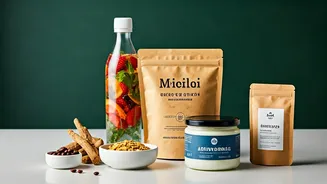
Before you replace your entire pantry, a note of caution is warranted. While many of these ingredients have roots in traditional medicine and are the subject of ongoing scientific study, the wellness industry often runs ahead of the evidence. The key question for consumers is one of dosage and efficacy. Is there enough ashwagandha in that single brownie to have a measurable effect on your stress levels, or is its presence more of a marketing footnote? Many nutritionists and food scientists argue that the quantities of active ingredients in these products are often too small to produce the advertised therapeutic benefits. The 'energy' being sold is often more psychological than physiological. Consumers are paying a premium not necessarily for a physical effect, but for the comforting idea that their indulgence is also a healthy choice. It's a powerful placebo, packaged in beautiful, minimalist branding.