








The Burnout You Can Feel
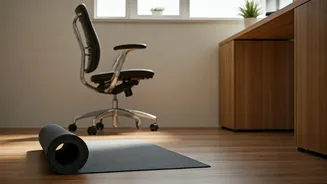
Corporate fatigue isn't just being tired; it's a specific brand of exhaustion. It's the mental drain from back-to-back video calls, the physical stiffness from sitting in the same chair for hours, and the emotional numbness that comes from a constant
stream of emails and deadlines. This state of chronic, low-grade burnout leaves you feeling disconnected—from your work, your colleagues, and even yourself. Traditional breaks often fail because they don't address the core problem: a total disconnect from the physical world. Scrolling through your phone or grabbing another snack keeps you in the same cognitive loop. The goal isn't just to stop working, but to actively reset your mind and body.
The 'Grounding' Phenomenon
The idea of walking barefoot on grass is often linked to the wellness concept of “grounding” or “earthing.” Proponents suggest that direct physical contact with the Earth's surface can facilitate a transfer of energy that helps balance your body’s electrical state, potentially reducing inflammation and improving sleep. While this concept has a passionate following, it’s important to note that the scientific community remains largely skeptical. Most studies on grounding are small, lack rigorous controls, and are often funded by companies with a vested interest in the results. So, while you might hear impressive claims, it's wise to approach them with a healthy dose of caution. The magic of this practice may not come from electrons, but from something far more tangible.
The Undeniable Science of Nature and Nerves
Regardless of where you stand on grounding, the proven benefits of this practice are compelling enough on their own. Stepping away from your desk for a walk in a green space is one of the most reliable mental health interventions available. Studies have consistently shown that even short stints in nature can lower cortisol (the stress hormone), reduce blood pressure, and decrease rumination—the pattern of negative thoughts that often fuels anxiety. The simple act of walking gets your blood flowing, easing the physical stagnation of desk work. Furthermore, focusing on the novel sensory input—the feeling of cool, soft grass on your feet, the sound of birds, the smell of fresh air—is a powerful mindfulness exercise. It yanks your attention away from your digital to-do list and anchors you firmly in the present moment.
Your 15-Minute Reset Ritual
Ready to try it? The beauty is in its simplicity. You don't need special equipment or a lot of time. Here's a simple framework for your first barefoot walking interval: 1. **Find Your Spot:** Locate a safe, clean patch of grass. A corporate campus lawn, a nearby park, or your own backyard are all perfect. Do a quick visual scan for any sharp objects, chemicals, or ant hills. 2. **Lose the Shoes:** Slip off your shoes and socks. The initial sensation might be intense—cold, damp, or ticklish. That's the point. Embrace it. 3. **Start the Interval:** You don't need to power-walk. The goal is sensory engagement. Try a pattern: Walk slowly for two minutes, focusing on how the ground feels. Then, stand still for one minute, simply feeling the connection between your feet and the earth. Repeat this cycle for 10-15 minutes. 4. **Engage Your Senses:** Pay attention. What do you feel? The blades of grass between your toes? The coolness of the soil? What do you hear besides your own thoughts? What do you smell? This isn't about clearing your mind; it's about filling it with the sensations of the real world.
No Grass? No Problem.
Living and working in a concrete jungle doesn't mean you have to miss out. The principle is about creating a deliberate, sensory break. If you can't get to a lawn, find a small city park and focus on the feeling of sun on your skin and the breeze in the air. If you're stuck in a high-rise, you can still create a mini-reset. Take your shoes off under your desk and roll your feet over a textured foot roller or a tennis ball. The act of bringing novel attention to your body and away from the screen can provide a surprising amount of relief. The key is intentionality—carving out a few minutes to break the cycle of cognitive overload with a physical, sensory experience.