






1. Beyond 'Leave No Trace' to Regenerative Travel
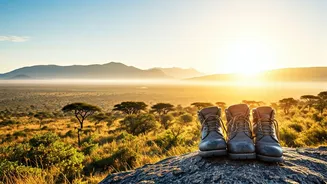
For years, the gold standard for responsible outdoors enthusiasts was “leave no trace.” But a new, more ambitious philosophy is taking hold: regenerative travel. The core idea is simple yet profound: leave a place better than you found it. This isn't
just about not littering; it's about actively contributing to the well-being of the destination. What does this look like in practice? It could mean staying at a hotel that invests its profits in a local wetland restoration project. It might involve dedicating a few hours of your trip to a community-led beach cleanup or choosing a tour operator that supports local schools. Unlike performative “voluntourism” of the past, regenerative travel is about integrating into and supporting the destination's own long-term goals for a healthier ecosystem and community.
2. The Rise of Second-City Swaps
Overtourism has become a buzzword for a reason. Hordes of visitors have put immense strain on the infrastructure, environment, and social fabric of marquee destinations like Venice, Barcelona, and Amsterdam. The savvy traveler’s antidote? The second-city swap. Instead of flocking to Rome, you explore Bologna, Italy’s culinary heart. Instead of Paris, you discover the vibrant culture of Lyon. This trend, sometimes called “destination duping,” isn't about settling for less. It’s about finding more. Second cities often offer a more authentic, less crowded experience at a lower price point. You’re more likely to eat at a restaurant filled with locals than tourists, discover hidden gems without a three-hour line, and your travel dollars support an economy that truly needs and appreciates them, easing the pressure on overburdened hotspots.
3. The Great Train Revival
In a world obsessed with speed, the decision to slow down feels like a small act of rebellion. The revival of train travel is one of the most tangible low-impact trends. In Europe, high-speed rail networks are expanding, making it easier than ever to zip between countries without setting foot in an airport. Stateside, there's a renewed appreciation for Amtrak's scenic routes, where the journey itself is part of the destination. The appeal is twofold. Environmentally, trains have a significantly lower carbon footprint per passenger than planes. But the personal impact is just as important. Train travel replaces the stressful hustle of airport security with a gentle, rhythmic pace. It offers a front-row seat to the changing landscape, providing a sense of place and distance that flying over at 30,000 feet simply cannot match.
4. 'Coolcationing' in a Warming World
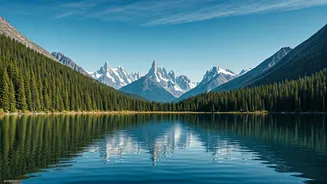
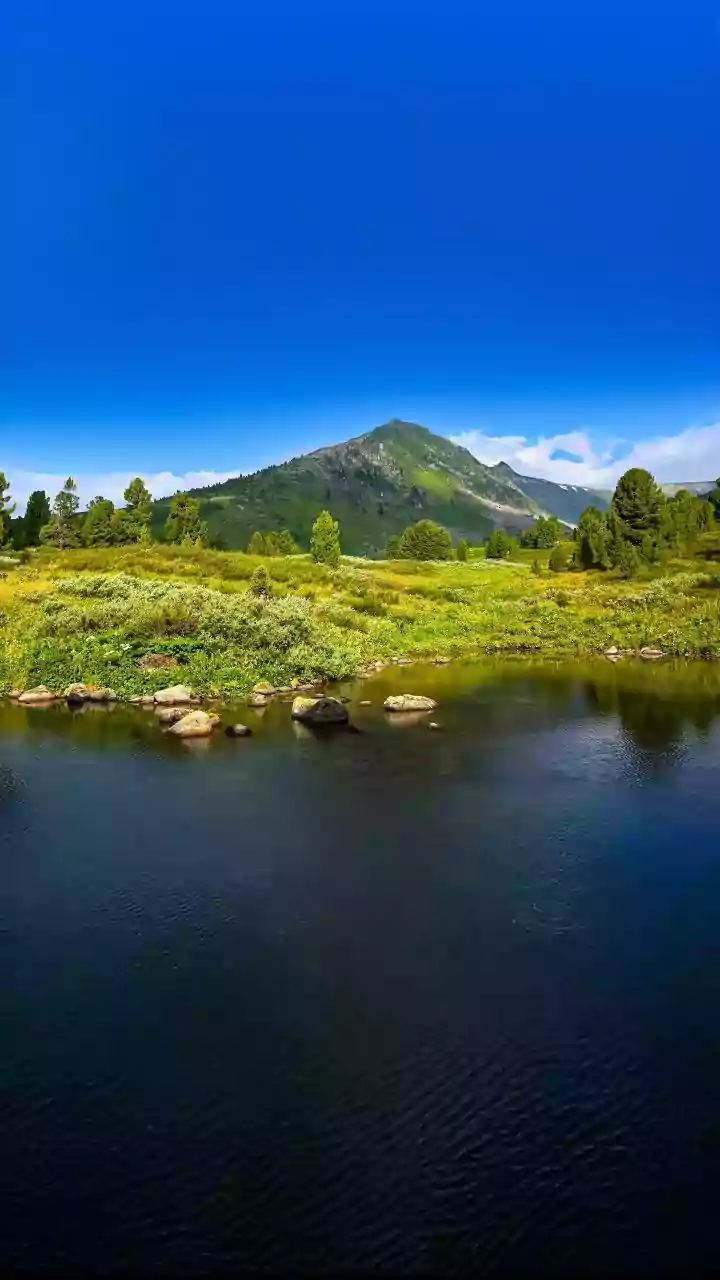
A new and unavoidable travel trend is emerging as a direct response to climate change: “coolcationing.” As record-breaking heat waves make summer travel to southern Europe or parts of the American South less appealing—and even dangerous—travelers are looking north. Destinations like Scandinavia, Scotland, Canada, and the Pacific Northwest are seeing a surge in summer interest. This isn’t just about comfort; it's a pragmatic shift. Travelers are seeking refuge in cooler climates, prioritizing pleasant weather for outdoor activities. This low-impact choice acknowledges the reality of our changing planet, reducing personal health risks from heat exposure and shifting tourism dollars to regions that can more comfortably accommodate summer visitors.
5. Hyper-Localism and the Micro-Trip
The grand, two-week international vacation isn't gone, but it’s no longer the only option. A major low-impact trend is the embrace of the “micro-trip” and hyper-local exploration. This can mean taking a long weekend to explore a state park just a few hours' drive away or spending a day discovering a neighborhood in your own city like a tourist. Fueled by a desire to reduce the cost and carbon footprint of long-haul flights, this approach proves that adventure doesn't have to be far-flung. It fosters a deeper appreciation for one's own region and supports local economies. It’s a reminder that travel is ultimately a mindset—a willingness to see the world, even the parts closest to home, with fresh eyes.