



The Instagram Effect Meets the Wellness Wave
Remember the unicorn frappuccino? The rainbow bagel? For the better part of a decade, the food world has been dominated by the 'Instagrammable'—dishes engineered for maximum visual impact. This aesthetic arms race led to hyper-saturated, almost cartoonish
creations that looked incredible in a photo but often relied on a long list of artificial colors and flavorings to achieve their otherworldly look. Consumers loved to post them, but a growing number were hesitant to eat them. Simultaneously, the wellness movement was gaining unstoppable momentum. Shoppers began scrutinizing labels, championing 'clean eating,' and rejecting ingredients they couldn't pronounce. This created a powerful paradox for food brands and restaurants: How do you create food that stands out in a crowded digital landscape without alienating the very consumers who demand transparency and natural ingredients? The answer wasn't to abandon beauty, but to redefine it.
Rethinking the Rainbow
The most visible shift is in the realm of color. For decades, food manufacturers relied on a small palette of synthetic petroleum-based dyes, like FD&C Red No. 40 and Yellow No. 5, for their stability and low cost. But as consumer concern over these additives has grown, the industry has pivoted toward a vibrant, and much more complex, natural palette.
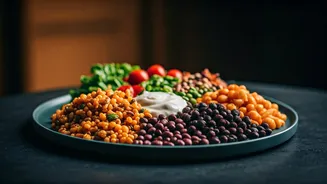
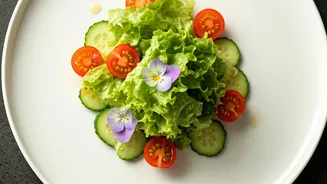
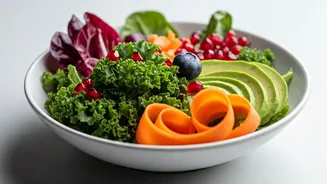
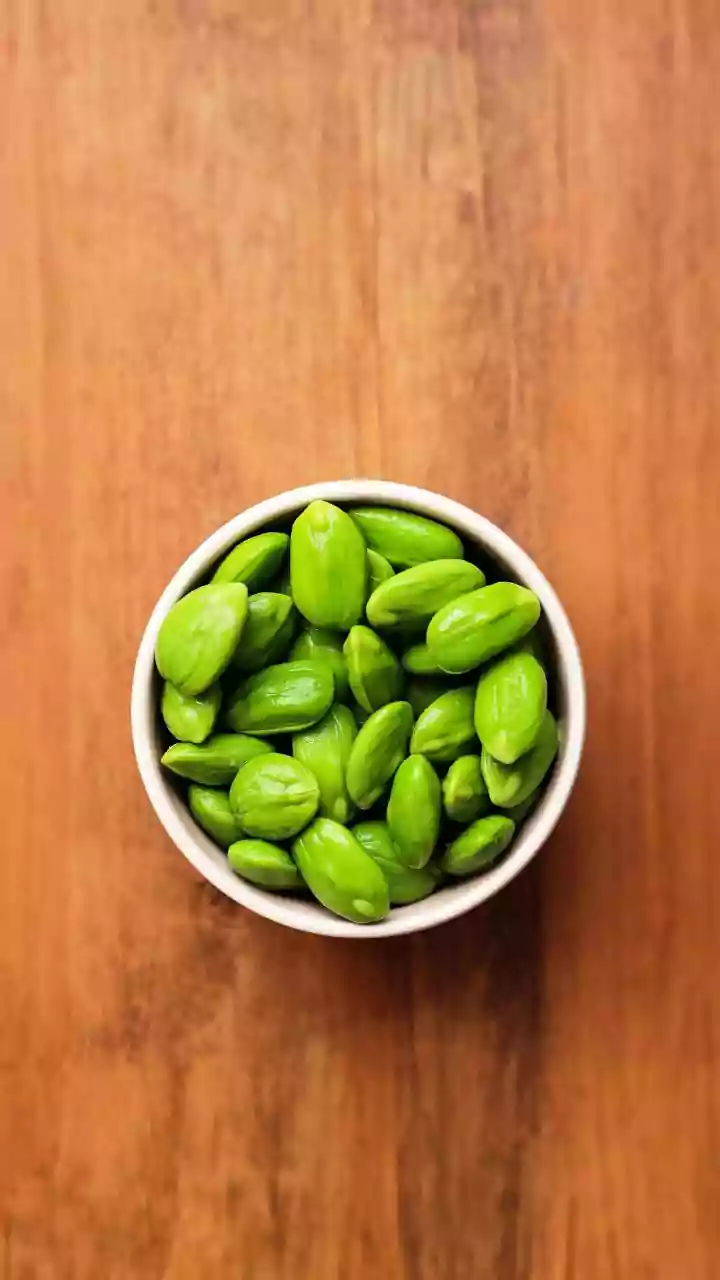
Instead of synthetic dyes, chefs and food scientists are now turning to plant-based sources. Brilliant blues come from spirulina (a type of algae) or butterfly pea flower. Vibrant pinks and reds are derived from beets, radishes, and elderberries. Bright yellows come from turmeric, and rich greens from matcha, spinach, or pandan. These natural colorants not only satisfy the demand for a 'clean label' but also offer a more nuanced, authentic beauty. A pink frosting colored with beet juice has a subtle, earthy richness that a blast of Red No. 40 could never replicate. This shift has forced innovation, as natural colors can be sensitive to heat, light, and pH, requiring smarter formulation to keep them bright and stable from the factory to your feed.
The 'Smarter' Science of Natural Food
Making a beet-colored frosting that doesn’t taste like beets is where the 'smarter' part of the equation comes in. This isn’t just about swapping one ingredient for another; it’s about a leap forward in food science. Researchers have developed advanced extraction and processing techniques to isolate pigment from plants without capturing unwanted flavors or aromas. Think of it as getting the pure color of a vegetable without any of its vegetable taste.
Furthermore, technologies like microencapsulation are being used to protect these delicate natural colors. This process involves coating tiny droplets of color in a protective, tasteless shell, shielding them from degradation during baking or storage. The result is food that maintains its vibrant, natural hue all the way to the consumer. This smarter science is the invisible engine driving the trend, allowing brands to deliver on the promise of food that is both visually stunning and genuinely clean.
Beyond Color: Function and Transparency
The movement extends well beyond just color. The drive for 'cleaner and smarter' food has reshaped how companies think about texture, shelf life, and even nutritional benefits. Natural emulsifiers and stabilizers, like lecithin from sunflowers or fiber from citrus peels, are replacing chemically modified starches. These not only provide a cleaner ingredient deck but often result in a more pleasant mouthfeel.
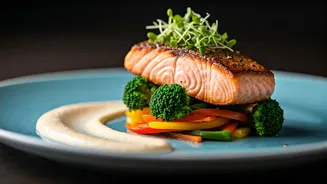
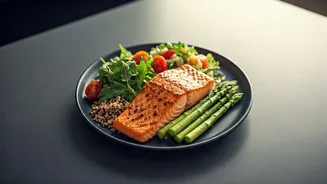
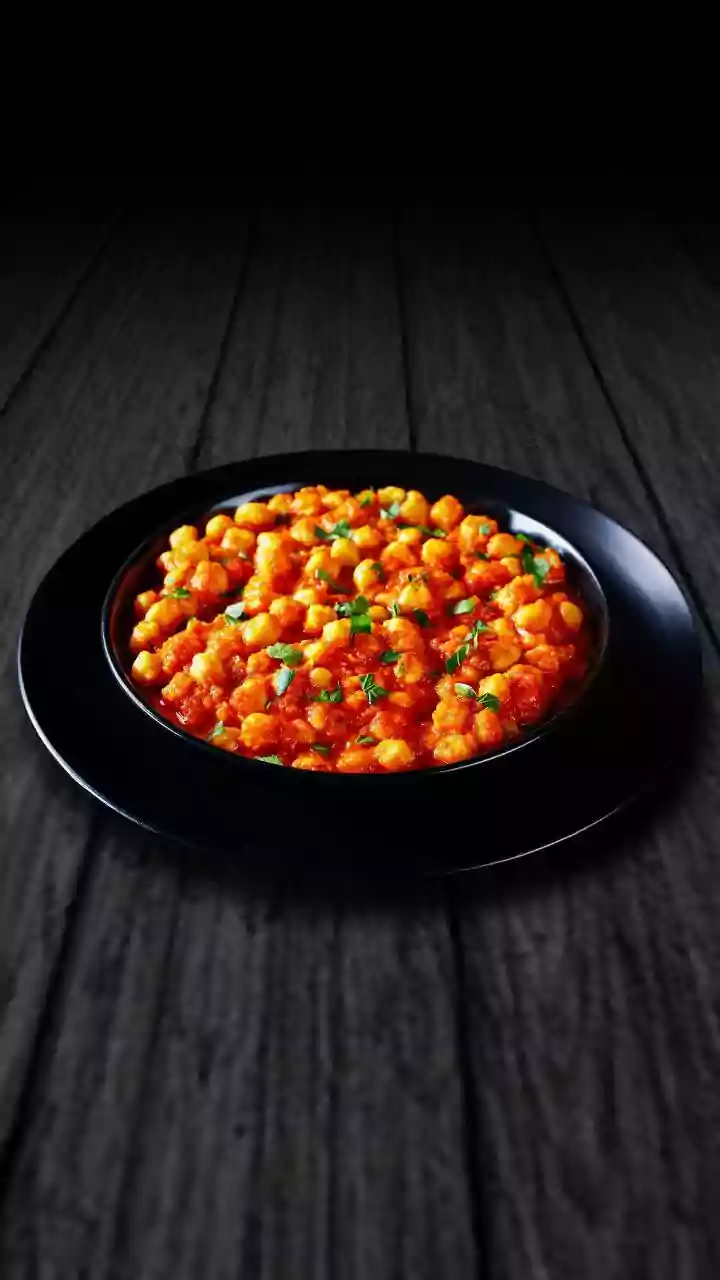
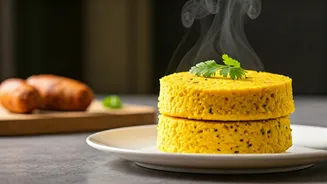
'Smarter' food is also increasingly functional. That beautiful blue latte might get its color from spirulina, which also happens to be packed with antioxidants. A golden-hued energy bar gets its color from turmeric, known for its anti-inflammatory properties. Food is no longer just beautiful or healthy; it can be both, with its aesthetic qualities directly linked to its nutritional benefits. This deepens the story behind the food, giving consumers a compelling reason to both photograph and consume it. The ultimate camera-ready food today is one whose beauty is a direct reflection of its wholesome, transparent origins.