


Why Humidity Is the Real Enemy
Think of a warm, humid day as a VIP party for bacteria and mold. Microorganisms like Salmonella, E. coli, and Listeria thrive in moisture and warmth. While we often associate this with “monsoon season” in South Asia, the same principles apply to the sweltering,
sticky summers of the American South, Midwest, or anywhere that experiences high humidity. During these periods, the air itself holds more moisture, which can settle on surfaces, food, and inside packaging. This environment dramatically shortens the time it takes for dangerous bacteria to multiply to harmful levels on perishable foods left on the counter, turning a minor oversight into a major health risk.
The Problem with Produce
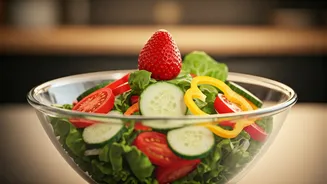
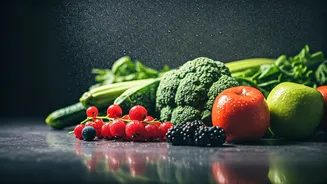
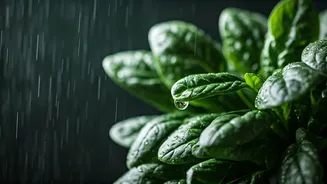
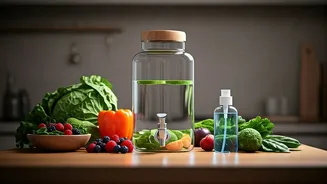
Fresh fruits and vegetables are usually a cornerstone of a healthy diet, but they require extra attention when it's damp and rainy. Heavy rainfall can lead to runoff from farms and surrounding areas, potentially contaminating soil and water sources with pathogens. Leafy greens, with their many crevices, are particularly adept at trapping these contaminants. Pre-cut fruits and vegetables are also at higher risk because their exposed surfaces are ideal for bacterial growth in humid air. It’s wise to be extra vigilant: wash all produce thoroughly under running water, even items with peels you don't eat. For greens like lettuce and spinach, consider buying whole heads instead of pre-washed bags, and think about cooking vegetables you might normally eat raw, like spinach or kale, to kill off any lingering bacteria.
Rethink Eating Out and Street Food
Outdoor food vendors, from food trucks to farmers' market stalls, are a summer highlight. But the same conditions that make a day feel balmy can compromise food safety. Food that sits out in chafing dishes or on display is constantly exposed to warm, moist air. When choosing what to eat, look for vendors with high turnover and prioritize food that is cooked fresh to order. A steaming hot dish straight from the grill is a much safer bet than a lukewarm salad that’s been sitting for an unknown amount of time. Be especially wary of water-based items like chutneys, fresh-squeezed juices, or ice from an unverified source, as waterborne pathogens are a significant concern during and after heavy rains.
Your Pantry Isn't Immune
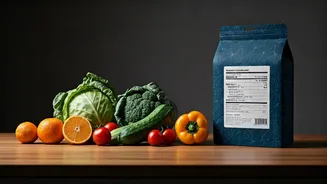
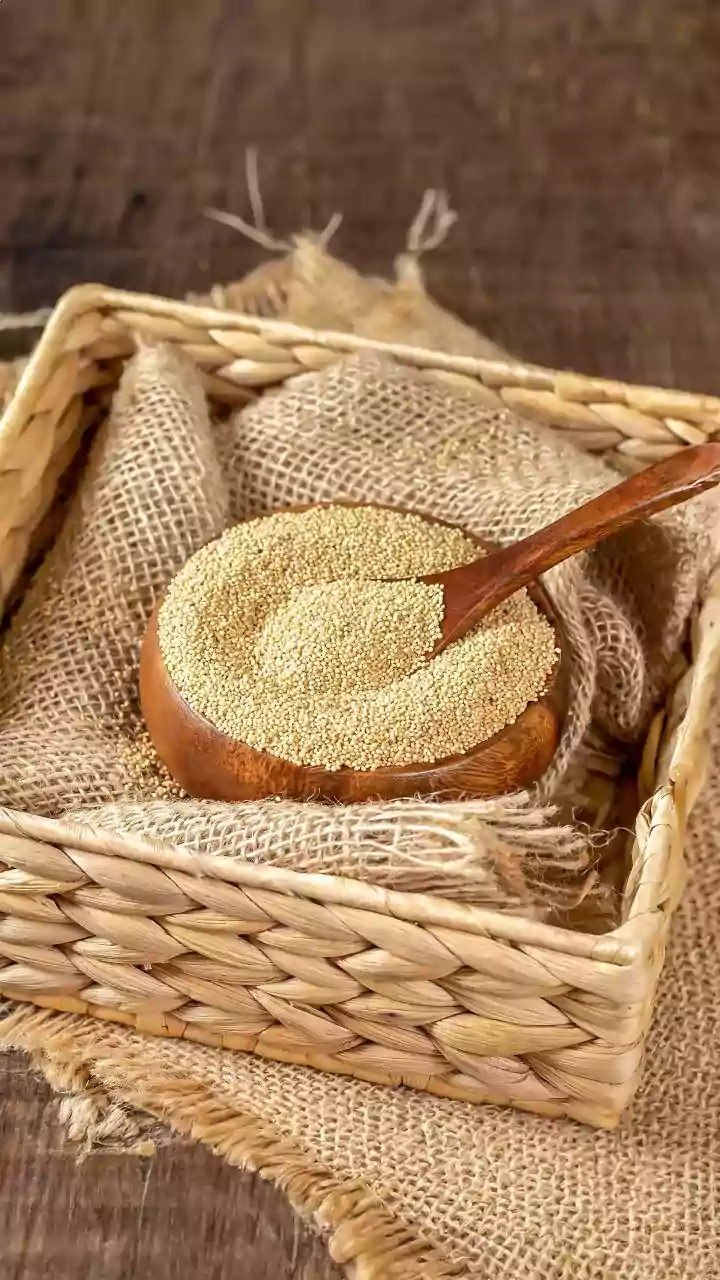
Food safety isn’t just about the fridge. High humidity can wreak havoc on your dry goods. That moisture in the air can infiltrate poorly sealed packages of flour, spices, crackers, and grains. The result? Clumping, a musty taste, and an invitation for mold growth. This is the time to get serious about airtight containers. Transfer items from cardboard boxes and paper bags into glass jars or plastic containers with tight-fitting lids. Before using, give your spices and flours a quick check. If they smell off or show any signs of clumping or discoloration, it’s best to toss them. This small step prevents you from inadvertently adding mold to your meal.
The Fungal Threat You Can't See
Beyond visible mold, high-humidity conditions encourage the growth of fungi that produce mycotoxins—toxic substances that can contaminate crops like corn, peanuts, and grains before they even reach your kitchen. One of the most well-known is aflatoxin, a potent carcinogen. While the U.S. food supply is rigorously tested, these toxins thrive in damp storage conditions. This reinforces the importance of storing nuts, seeds, and grains in a cool, dry place in airtight containers. If any of these items taste bitter, stale, or look discolored, discard them immediately. It’s not worth the risk.