





The Tyranny of the Checklist
We’ve all been there. You’re in Rome, so you have to see the Colosseum. In Paris, the Eiffel Tower. In New York, Times Square. The checklist is a powerful, anxiety-inducing force. It promises the highlight reel of a city but often delivers a diluted,
expensive, and crowded version of it. You jostle for the same selfie spot as everyone else, eat at the conveniently located but mediocre café next door, and tick a box. At the end of the day, you’re exhausted, your wallet is lighter, and you’re left with a nagging question: Did I actually *experience* anything? This brand of tourism is built on obligation. It treats a city not as a living, breathing organism, but as a collection of static monuments to be conquered. The meal you have isn't about flavor; it's about refueling between sights. The path you walk is predetermined by a tour guide’s app. It’s a sanitized, predictable loop that keeps you safely on the surface, far from the city’s actual heartbeat.
The Joy of the Unplanned Detour
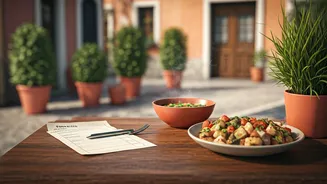
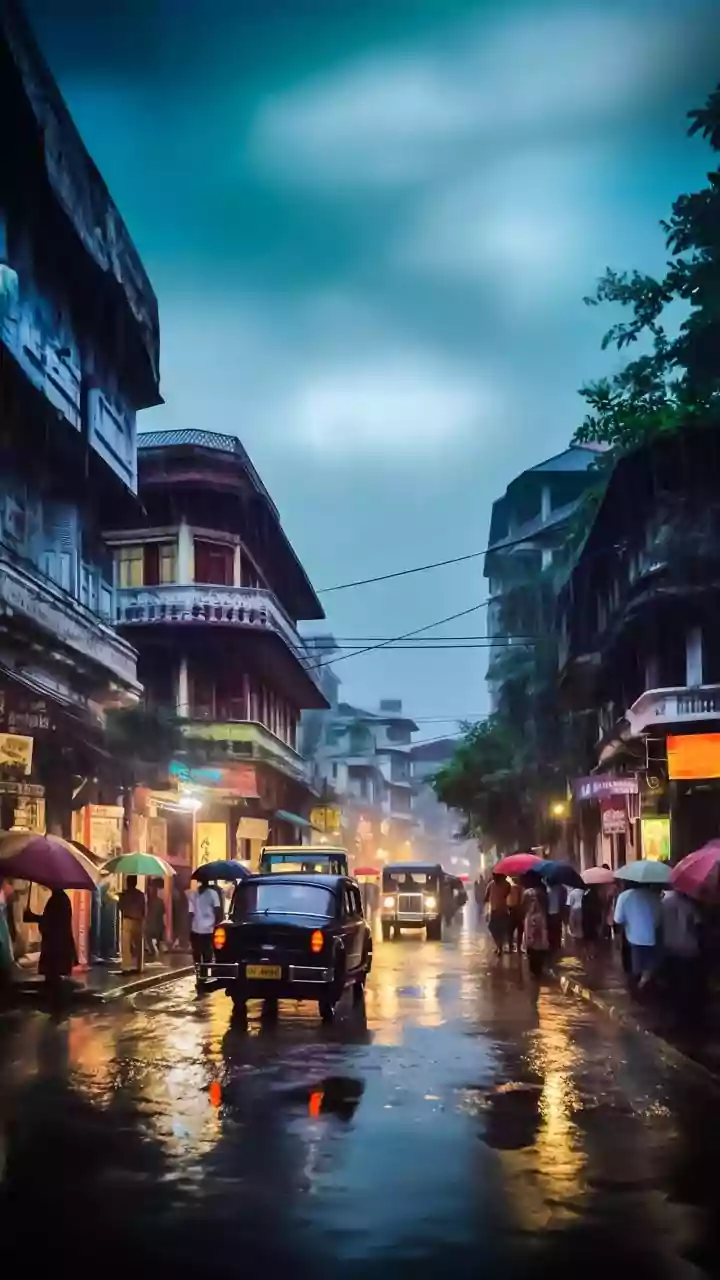
Now, imagine a different approach. You’re in that same city, but instead of heading toward the central square, you head away from it. You get on a local bus for a few stops, get off in a random residential area, and just start walking. The souvenir shops give way to hardware stores and bakeries. The symphony of a dozen languages fades into the rhythm of one. You follow a scent—garlic, baking bread, something grilling—and find a small, unassuming restaurant. There’s no English menu taped to the window, no glossy photos of the food. Inside, a handful of locals are having lunch, talking to the owner like old friends.
This is where the magic happens. Pointing at something on a neighbor’s table, fumbling through a few words with a smiling server, and taking that first bite of a dish you’ve never heard of—that is an experience. It’s a moment of genuine discovery and connection, not consumption. This meal isn't a footnote in your day; it’s the main event, a story you’ll tell for years. It’s the difference between seeing a city and feeling it.
Food as a Cultural Compass
The late, great Anthony Bourdain built a career on this very principle: that food is the fastest, most intimate way to understand a culture. A neighborhood bistro or a hole-in-the-wall noodle shop is more than just a place to eat. It’s a window into the local economy, a repository of family recipes, and a community hub. The ingredients tell you about the region’s agriculture. The preparation tells you about its history and its people's priorities—whether they value speed, complexity, comfort, or tradition.
By choosing to eat where locals eat, you’re not just getting a better, more affordable meal. You’re participating, in a small way, in the daily life of the place you’re visiting. You’re supporting a small business owner who likely lives down the street, not an international conglomerate. You’re showing respect for the local culture by being curious enough to engage with it on its own terms.
How to Find Your Spot
Finding these gems isn’t about luck; it’s about a mindset. It does, however, require a little strategy. First, use the “ten-block rule”: walk at least ten blocks in any direction away from a major tourist attraction before you even start looking for a place to eat. Second, look for tells of authenticity: a short, handwritten menu that changes daily is a great sign. A crowd of people who look like they’re on their lunch break, not on vacation, is even better. Finally, don’t be afraid to ask. Pop into a local bookstore or barber shop and ask the person behind the counter where *they* love to eat in the neighborhood. You’ll get a recommendation far more valuable than any online review.