






What Exactly Is Kokum?
If you haven't heard of kokum, you’re not alone—but you will soon. This small, purple-red fruit, native to the western coast of India, is a culinary staple in the region, particularly in Goan and Maharashtrian cuisine. A member of the mangosteen family,
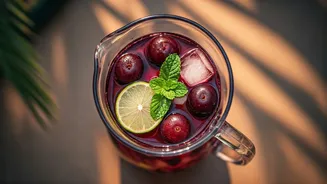
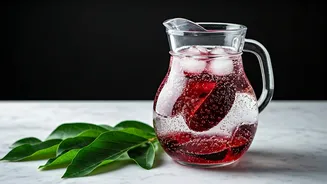
kokum (Garcinia indica) has a unique flavor profile that’s hard to pin down. It’s not simply sweet or sour; it’s a complex, tart, and slightly briny taste that finishes with a clean, refreshing quality. Traditionally, the dried rind is used as a souring agent in curries and dals, much like tamarind. It’s also famously made into a vibrant red beverage called ‘solkadhi,’ a cooling drink mixed with coconut milk and spices, beloved for its digestive properties. Now, that distinct tang is being carbonated and canned, offering a sophisticated alternative to the usual lime or grapefruit.
From Ancient Cooler to Modern Seltzer
So why is this regional Indian ingredient suddenly appearing on menus in major U.S. cities? It’s a perfect storm of modern consumer trends. First, there’s the exploding demand for complex, non-alcoholic beverages. Drinkers are seeking sophisticated, “adult” options that aren't just sugary sodas. Kokum’s tartness provides a flavor profile that feels grown-up and intriguing. Second is the wellness boom. In Ayurvedic tradition, kokum is prized for its cooling effects and is considered a digestive aid and antioxidant powerhouse. While brands are careful with health claims, this “functional” backstory adds a layer of appeal for health-conscious consumers looking for more than just empty calories. It’s the same impulse that drove the kombucha and turmeric latte crazes. Finally, American palates are more global and adventurous than ever, creating a market for flavors that were once considered niche.
The Elevation of 'Wild Berry'
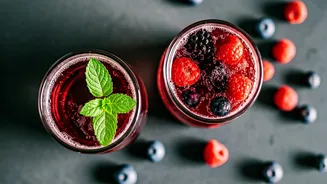
Alongside the exotic newcomer kokum is the quiet reinvention of a familiar friend: wild berry. For years, “berry” in a can often meant a one-note, vaguely sweet, artificial flavor. But the new wave of wild berry drinks is entirely different. We’re not talking about a generic raspberry. Instead, think of complex, layered blends featuring ingredients like elderberry, huckleberry, aronia berry (chokeberry), and mountain schisandra berry. These aren’t just sweet; they’re often tart, tannic, and earthy, delivering a more authentic and botanical experience. This trend taps into a desire for foraging-inspired, natural flavors that taste less like candy and more like a walk through the woods. It’s a signal that even classic flavor profiles are getting a craft-focused, premium upgrade.
Bubbling Up in Bars and Bodegas
While you might not see a ten-foot display of kokum seltzer at a national chain supermarket just yet, the trend is taking hold where modern food culture is born: in specialty grocers, high-end delis, and innovative cocktail bars across metropolitan areas. Bartenders are using kokum and wild berry syrups to create complex, zero-proof cocktails or add an unexpected twist to traditional spirits. Small-batch beverage companies are leading the charge, introducing these flavors in beautifully designed cans that pop on Instagram. This grassroots growth is how trends build momentum. They start with the foodies, the early adopters, and the tastemakers in cities like New York, Los Angeles, and Austin before eventually making their way into the mainstream.