



An End to Order's Remorse
For decades, the American restaurant experience has been defined by a certain rigidity. You get an appetizer, a massive entrée, and maybe dessert if you have a separate stomach for it. This structure forces a high-stakes decision. You must commit your
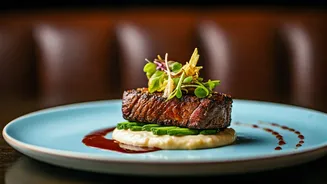
entire main course—and a significant portion of your budget—to a single plate. The result is often a low-grade anxiety food lovers know all too well: order’s remorse. Did you make the right choice? What are you missing out on? The traditional entrée, with its gargantuan size born from a post-war obsession with value-as-volume, can feel like a culinary trap. It locks you into one flavor profile for twenty minutes, often leading to palate fatigue long before the plate is clean. It’s a model that prioritizes quantity over the quality of the overall experience, leaving little room for the very thing that makes dining exciting: discovery.
More Bites, Less Commitment
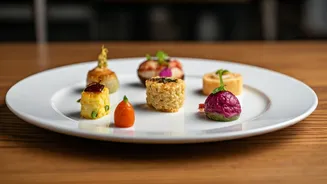
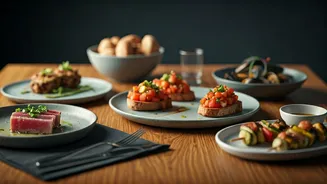
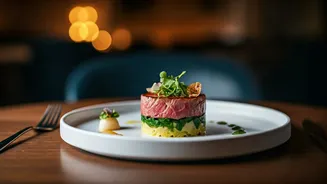
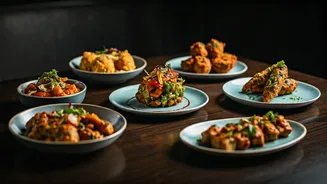
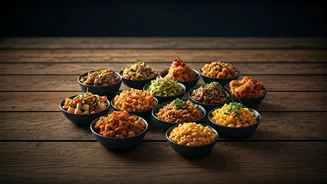
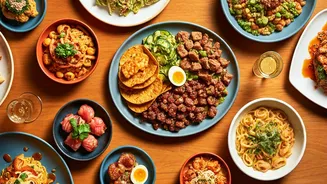
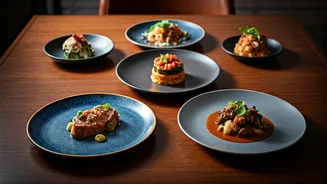
Enter the glorious, liberating half portion. This isn't just another name for tapas or small plates, which are designed from the ground up to be small. The half portion is a more direct and democratic concept: a restaurant takes its existing, thoughtfully composed entrées and simply offers them in a smaller, more approachable size for a reduced price. It’s the ultimate try-before-you-fully-commit model, applied to dinner. This simple shift fundamentally changes the dining calculus. Suddenly, you and a partner can order three or four different “mains” to share, creating your own personal tasting menu. You can finally try the intriguing vegetarian dish without forgoing the steak you came for. The scallops and the short rib can coexist at your table. It transforms the meal from a series of isolated, monolithic courses into a dynamic and collaborative exploration of the chef’s vision.
A Smarter Way to Taste
Beyond solving menu anxiety, dining with half portions is simply a better sensory experience. Chefs and food scientists know that our ability to perceive complex flavors diminishes with every bite of the same thing—a phenomenon known as sensory-specific satiety. The first few bites of that rich pasta carbonara are transcendent; the last few can feel like a chore. By switching between smaller, distinct dishes, you keep your palate engaged and alert. Each new plate reboots your taste buds, allowing you to appreciate the nuances of the ingredients and preparation. You’re not just eating less of one thing; you’re tasting *more* of everything. This approach respects the artistry of the kitchen, ensuring that the chef’s carefully constructed flavor profiles are experienced at their peak, from the first bite to the last.
A Win-Win for Diners and Chefs
While the benefits for diners are clear, a growing number of chefs and restaurateurs are embracing half portions for their own reasons. For one, it significantly reduces food waste—both on the plate and in the kitchen. It allows diners with smaller appetites to finish their meals, and it enables the kitchen to better manage inventory of high-cost proteins. More importantly, it’s a powerful marketing tool. It encourages guests to sample more of the menu, giving the kitchen more opportunities to showcase its range and creativity. A guest who tries and loves three different dishes is far more likely to return than a guest who took a gamble on one entrée and felt it was just “okay.” It builds trust and encourages a more adventurous relationship between the diner and the restaurant, turning a simple meal into a memorable event.