
The Search for Something Real
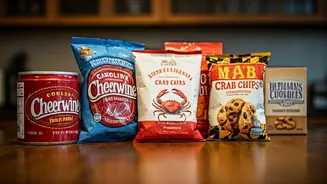
So, why the sudden national interest in the neighborhood’s best-kept secrets? It’s a perfect storm of cultural shifts. After years of a globalized, homogenized food system, both chefs and consumers are craving novelty and authenticity. There's a growing
desire for a story behind the food—a connection to a specific place, season, and grower. This isn't just about taste; it's about terroir, the French concept that a food's environment shapes its character. We’re tired of the same five vegetables in every grocery store, 365 days a year. The search for unique flavors has become a search for a more tangible, grounded experience. Add a dash of social media, where a photogenic, unknown ingredient can become an overnight sensation, and you have a recipe for a hyperlocal boom.
Meet the New Roster of Stars
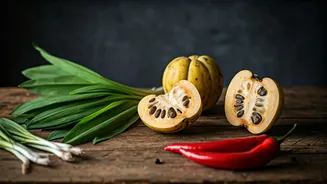
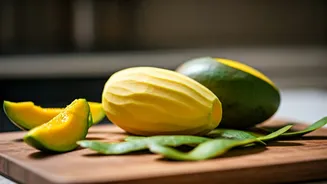
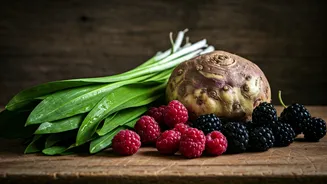
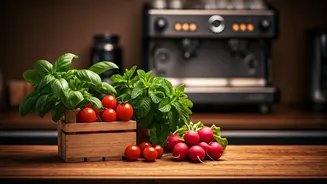
Let’s talk specifics. Take the pawpaw. This soft, custardy fruit, with a flavor profile somewhere between a banana and a mango, is the largest edible fruit native to North America. For generations, it was a foraged treat in Appalachia and the Midwest, virtually unknown elsewhere. Now, it's being name-dropped by celebrity chefs and used in craft beers and ice creams from coast to coast. Then there are ramps, the wild leeks that cause a frenzy every spring in the Eastern U.S. Their brief, two-week harvest window and pungent, garlicky flavor made them a cult favorite. Today, that cult has gone national, with restaurants and home cooks willing to pay a premium for a taste of spring. We've seen this movie before with ingredients like shishito peppers and heirloom tomatoes, which went from niche to mainstream. The new class includes items like sea buckthorn berries from the plains, lion's mane mushrooms foraged from forests, and unique regional chiles that put generic red pepper flakes to shame.
Chefs and Creators as Tastemakers
This trend isn’t happening in a vacuum. It’s being driven by a new generation of culinary gatekeepers. Innovative chefs at high-end restaurants act as incubators, introducing these ingredients to diners with adventurous palates. When a chef like Sean Brock champions heritage grains from the South or a Copenhagen-inspired spot in Brooklyn features foraged sea greens, it creates a ripple effect. Food media picks up the story, and soon, home cooks are asking, “Where can I get that?” But it’s not just fine dining. TikTok and Instagram creators have democratized food trends. A farmer showing off a harvest of crosnes (a crunchy, pearly root vegetable) or a forager explaining how to identify wild persimmons can reach millions of people instantly, creating demand that bypasses traditional media entirely. They make the exotic feel accessible and inspire a new wave of culinary curiosity.
The Challenge of Scaling Authenticity
Here’s the tricky part: what happens when a “hyperlocal” ingredient isn’t so local anymore? The very thing that makes these foods special—their scarcity, their connection to a specific ecosystem, their seasonality—is threatened by national demand. The ramp boom, for instance, has led to concerns about over-harvesting and the potential collapse of wild populations. Scaling up production to meet demand can also compromise the ingredient's integrity. A pawpaw grown in a massive commercial orchard in a different climate might not have the same flavor as one foraged in its native Ohio River Valley. There's a delicate balance to strike between celebrating and sharing these regional treasures and exploiting them to the point of extinction or homogenization. The most responsible purveyors are working directly with small farms and foraging communities to create sustainable supply chains that protect both the ingredient and the culture around it.