





The Quest for Stripes
Forget the serene, meditative nature walk. Today’s safari traveler is chasing a feeling—a potent mix of awe, adrenaline, and raw power that’s being dubbed 'big cat energy.' It’s the thrill of witnessing an apex predator in its element, not behind glass,
but roaming free. And increasingly, the place they’re going to find it is Ranthambore National Park in Northern India. Unlike the dense, almost impenetrable jungles of other reserves, Ranthambore offers something different: a dramatic stage. The experience here is less a patient waiting game and more an active pursuit. In an open-air jeep, known locally as a Gypsy, you bounce along dirt tracks, eyes scanning the dry deciduous forest for a flicker of orange, a twitch of a tail. The anticipation is a tangible thing, shared by everyone in the vehicle as they listen for the tell-tale calls of monkeys or sambar deer that signal a tiger is on the move.
A Kingdom of Ruins and Predators
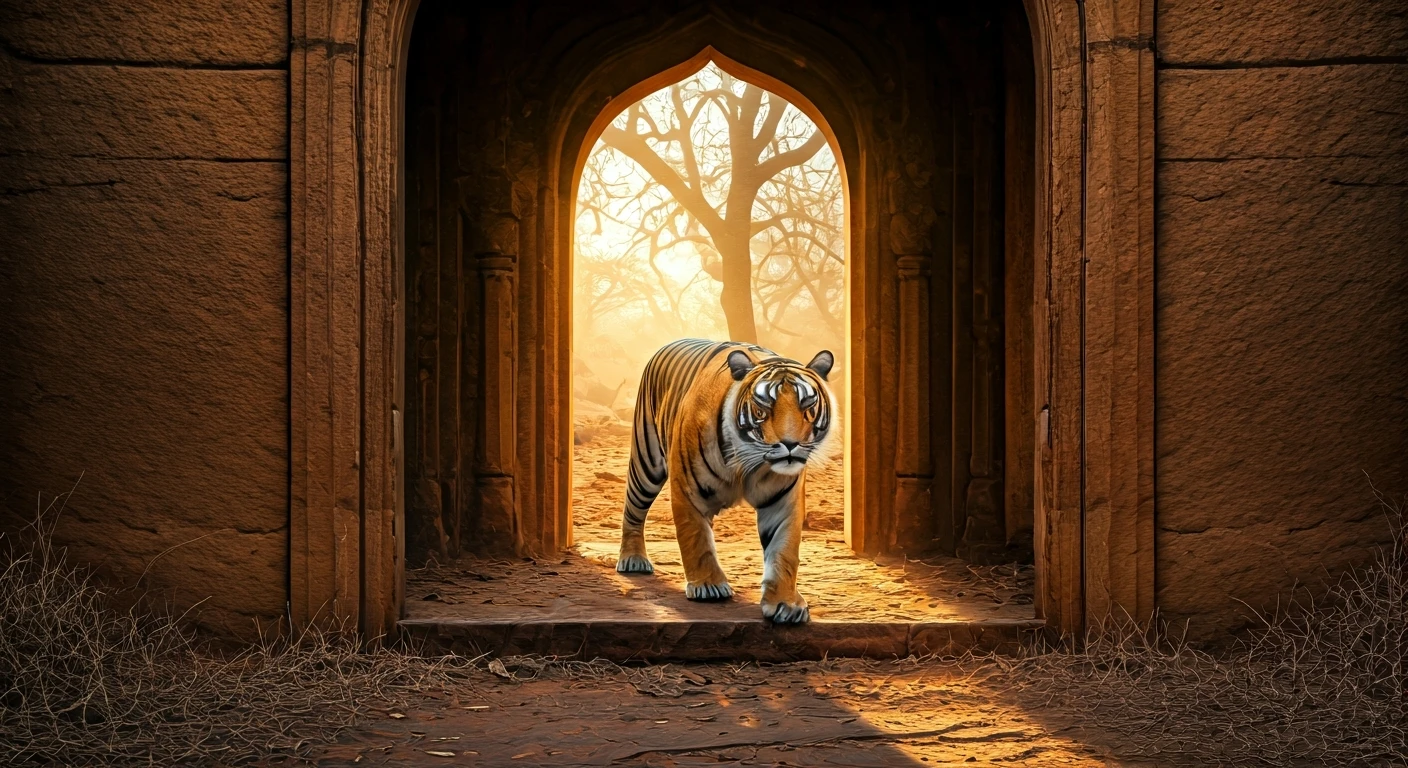
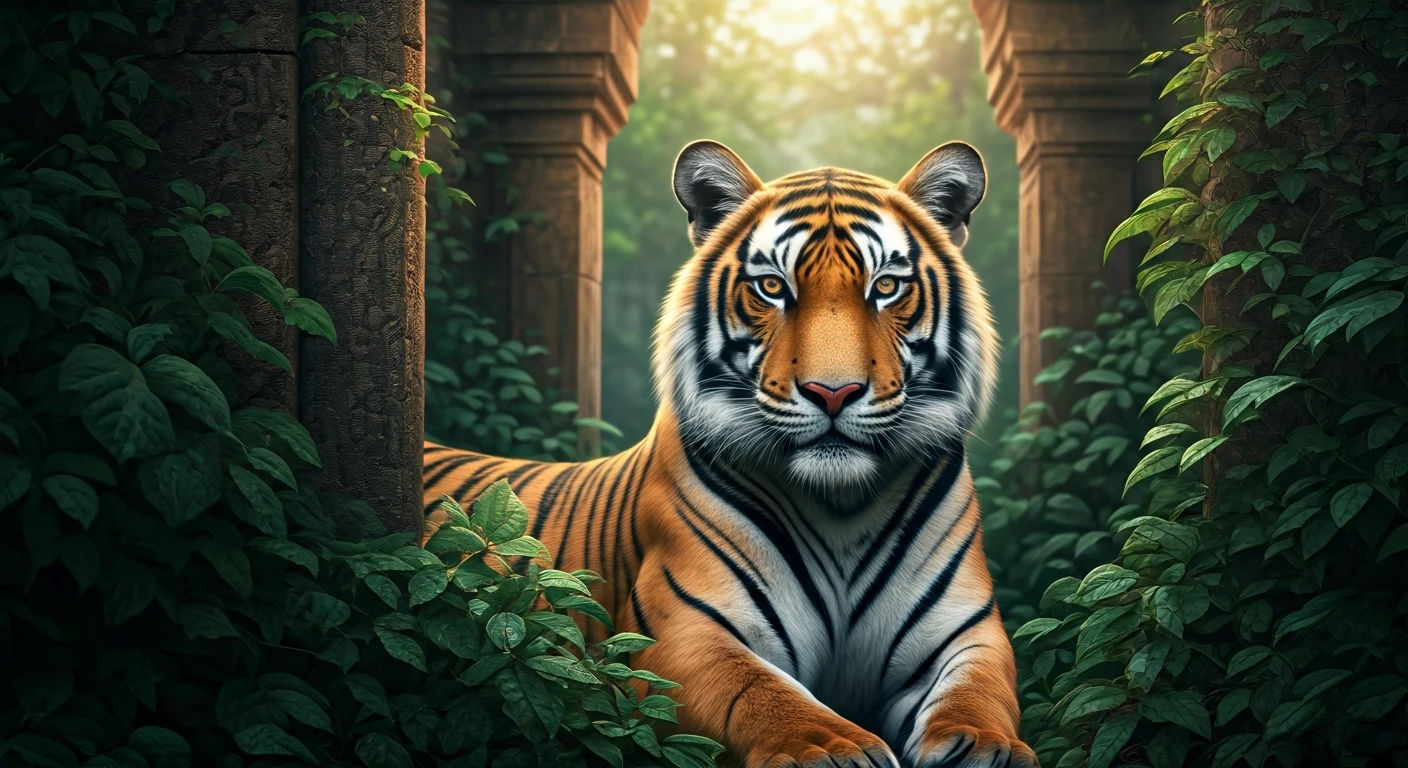
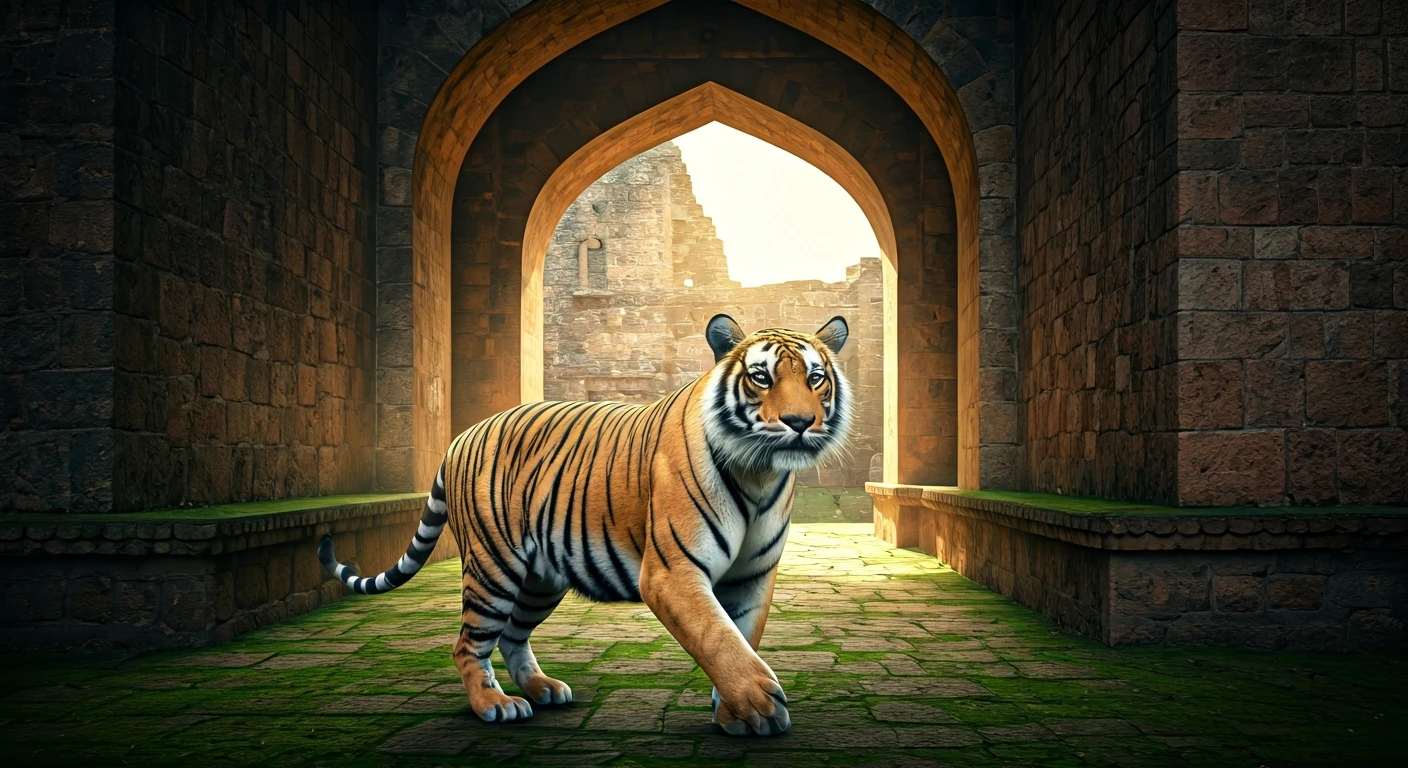
What makes Ranthambore’s energy so unique isn't just the tigers themselves, but their kingdom. The park is dominated by the massive 10th-century Ranthambore Fort, a UNESCO World Heritage site whose ramparts loom over the entire landscape. Dotted throughout the park are ancient temples, crumbling pavilions, and vine-choked cenotaphs where maharajas once hunted. This historical backdrop turns a simple wildlife sighting into a scene from a forgotten epic. A tiger resting in the shade of a centuries-old dome or drinking from a lake beside a half-submerged temple isn’t just an animal; it’s a living symbol of nature’s power to reclaim history. This blend of wildness and antiquity creates a profound sense of place. You’re not just in a park; you’re in a landscape saturated with stories, where the ghosts of Rajput warriors share territory with the world’s most charismatic predator.
Where Tiger Legends Are Born
Ranthambore’s reputation was built on the backs of celebrity tigers. For years, the park was the domain of Machli, the 'Queen of Ranthambore' and arguably the most famous wild tiger in the world. Photographed and filmed extensively, she was known for her fierceness—famously taking on and killing a 14-foot crocodile—and her surprising comfort with safari vehicles. She raised generation after generation of cubs in the public eye, giving visitors an unprecedented window into the life of a wild tiger. Her legacy lives on in her descendants, who have inherited her boldness. This has cultivated a culture of personality around the park’s big cats. Guides don’t just point out 'a tiger'; they tell you its lineage, its territory, and its recent exploits. This narrative approach transforms the safari from a checklist of sightings into an unfolding drama, making every encounter feel personal and significant.
The Moment of Truth
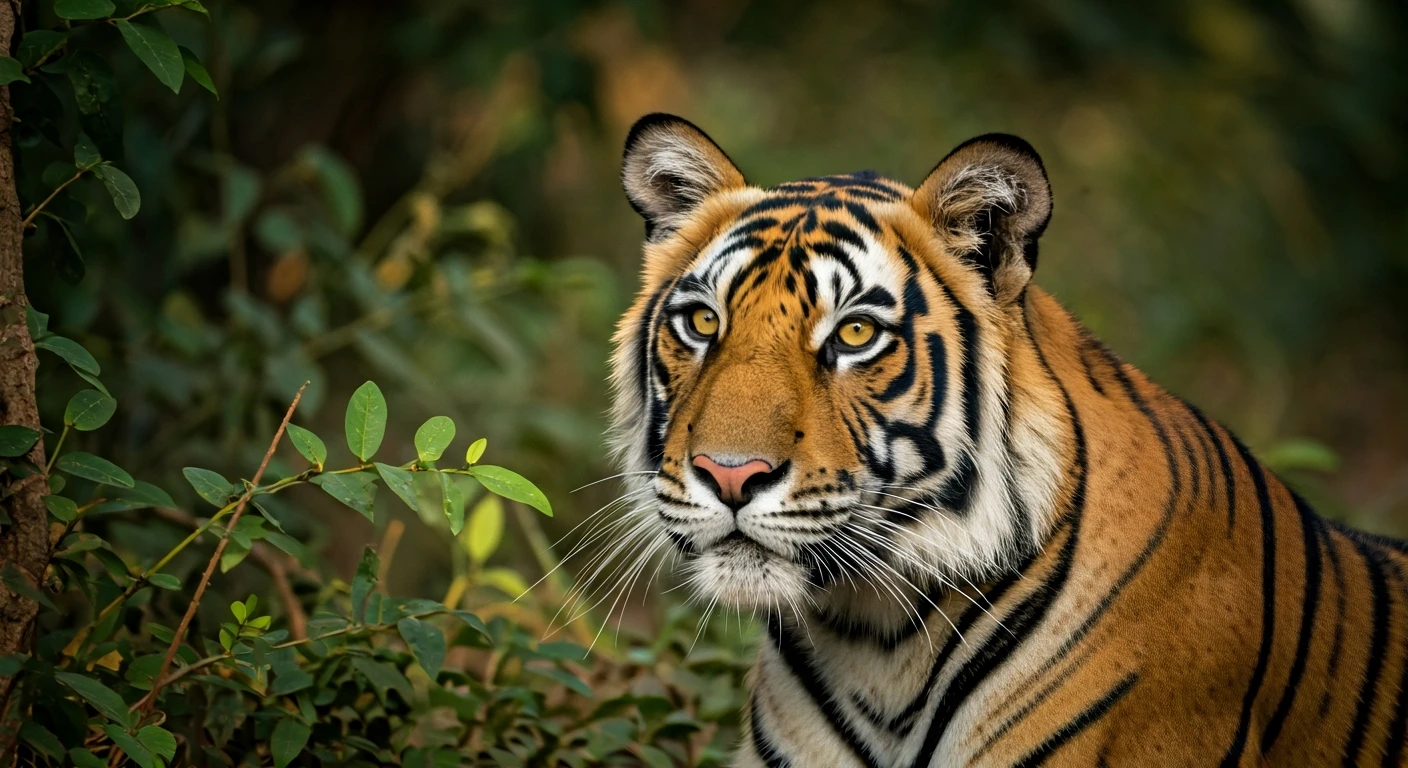
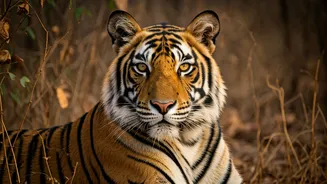
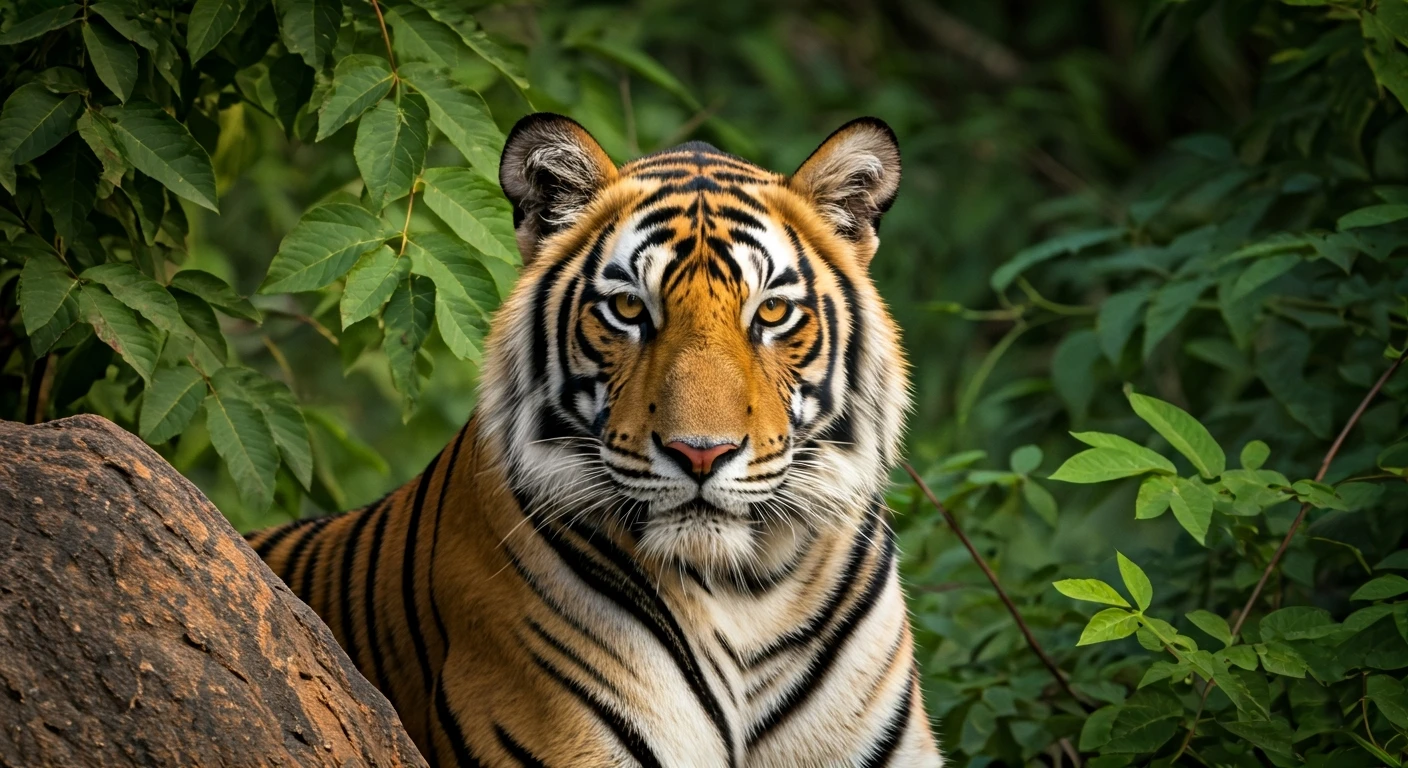
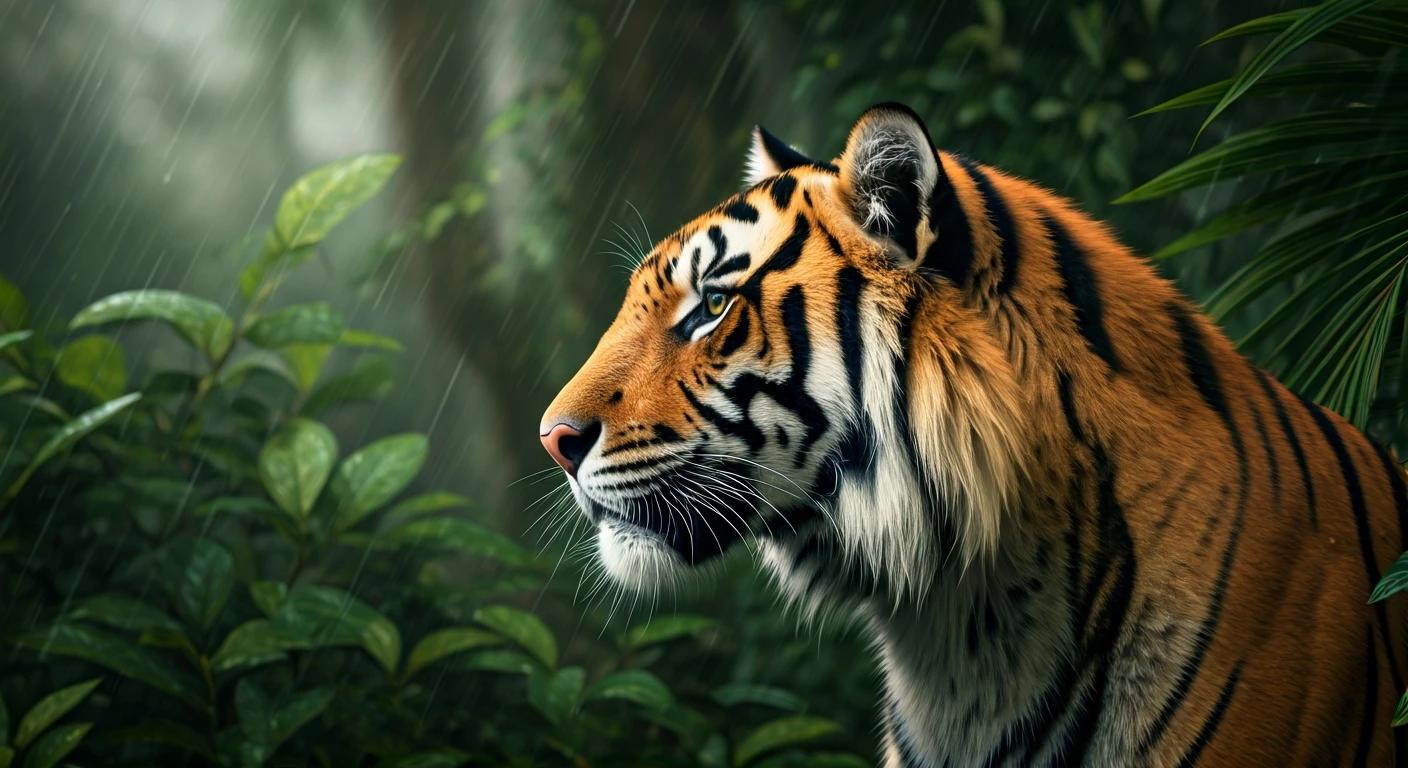
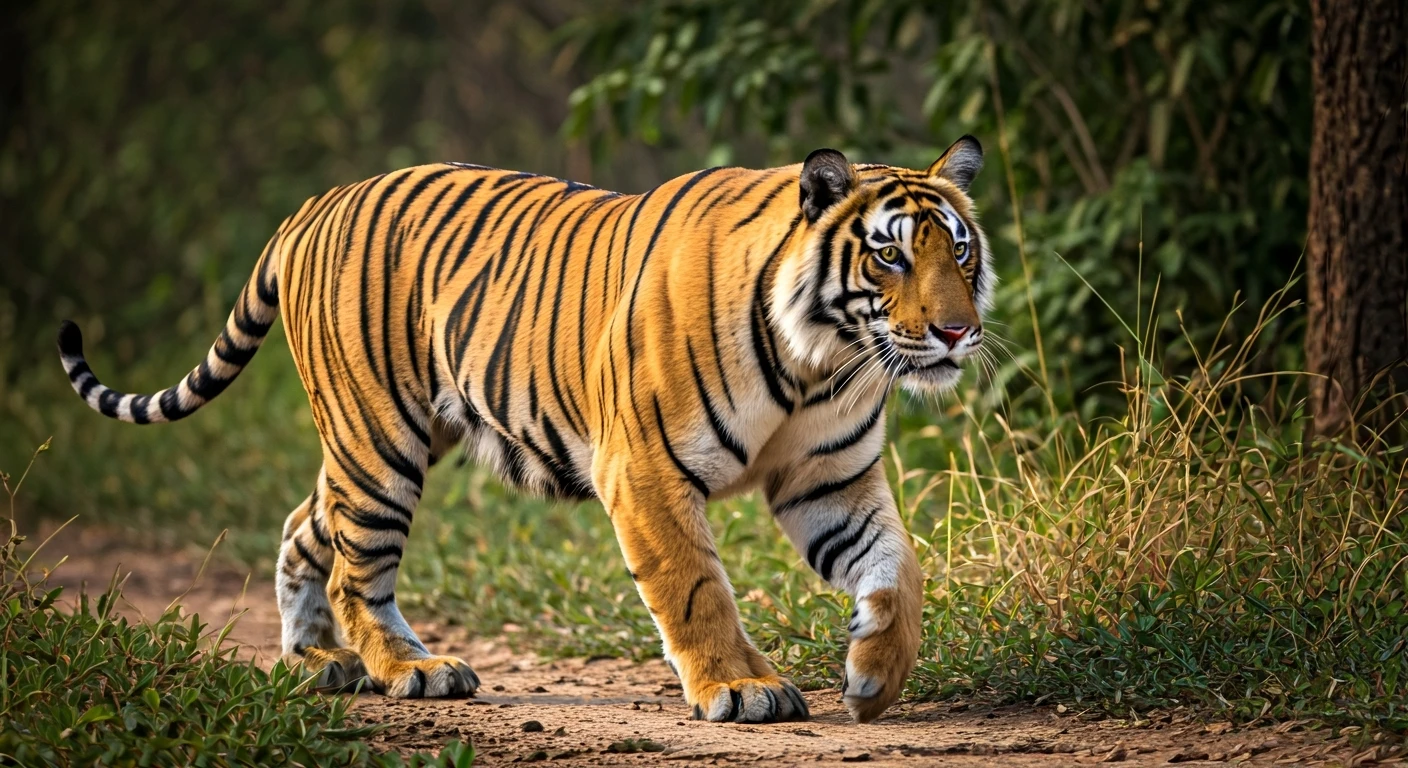
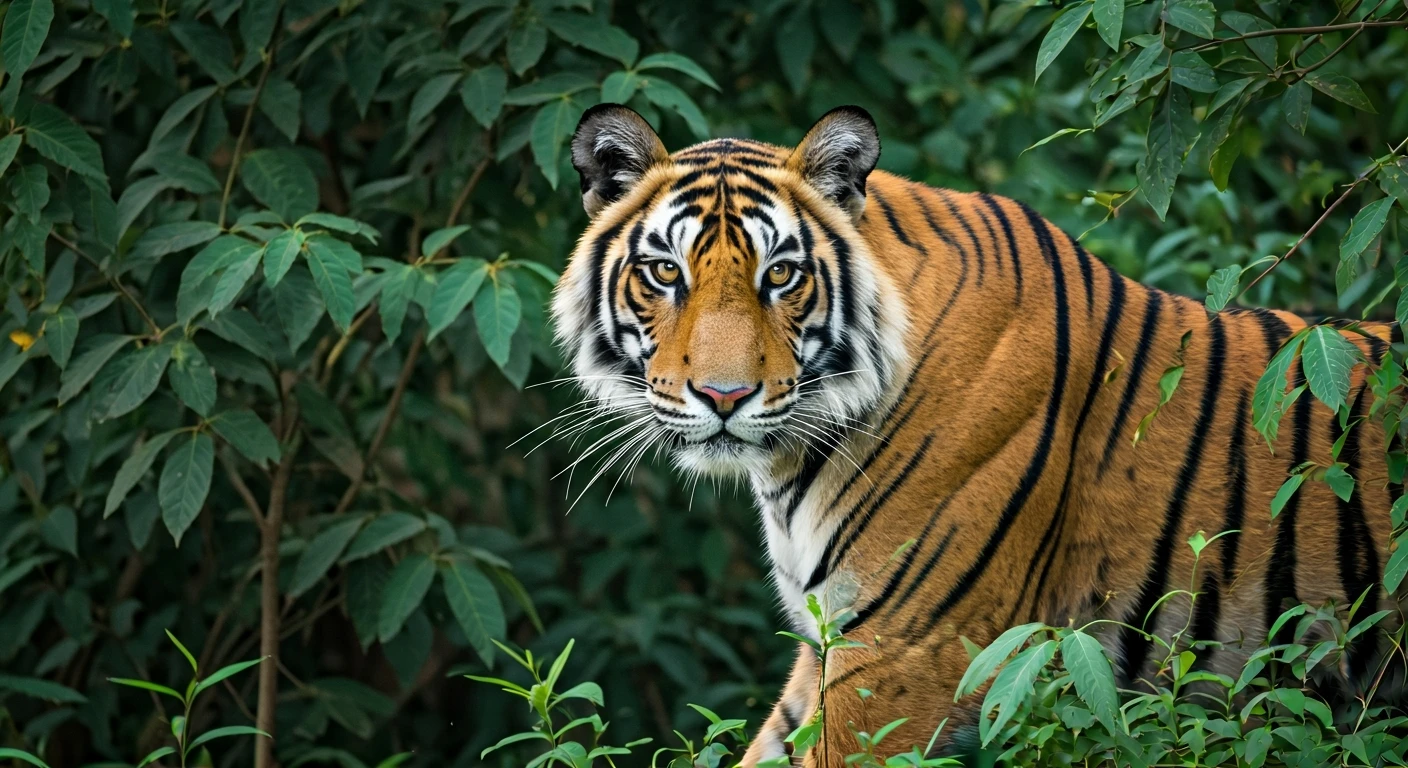
When the sighting finally happens, time seems to warp. One moment, you’re looking at a wall of dry grass; the next, a 400-pound Bengal tiger materializes, its striped coat providing camouflage that seems impossible for an animal so large. It might be walking down the track directly toward your jeep, its amber eyes holding a look of utter indifference. The vehicle falls silent, the only sounds the click of camera shutters and your own heartbeat. This is the payoff. The animal’s sheer presence is overwhelming—a physical manifestation of power, grace, and untamable wildness. It doesn't perform for you. It simply exists, and you are a temporary, privileged guest in its world. This encounter is the core of Ranthambore’s 'big cat energy'—a humbling, electrifying reminder of nature’s enduring majesty in a world that feels increasingly tamed.