


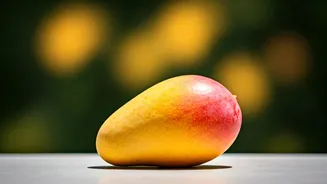
The Reigning King: Alphonso
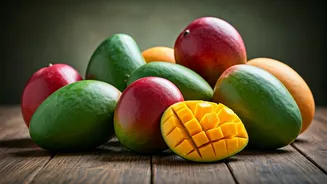
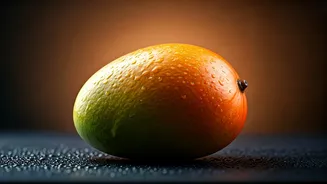
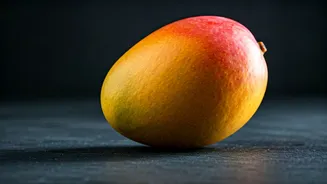
To understand the coup, you first have to understand the king. The Alphonso mango, primarily from the Konkan coast of India, is the stuff of legend. Its season is brief (just a few weeks from April to June), its skin blushes from green to a radiant saffron-gold,
and its flesh is a perfect, non-fibrous custard. The flavor is a complex symphony: a rich sweetness balanced by a hint of citrusy tartness with notes of honey, peach, and even a whisper of spice. For many, eating a perfect Alphonso is a near-spiritual experience. But royalty comes at a cost. They are notoriously expensive, difficult to transport without bruising, and subject to strict import regulations, which for years kept them out of the U.S. entirely. Their limited availability and high price tag have inadvertently created an opening for worthy challengers.
The Aromatic Contender: Kesar
If Alphonso is the king, Kesar is the charismatic prince. Hailing from the foothills of Girnar in Gujarat, India, the Kesar mango is immediately recognizable by its intense, sweet fragrance—its name even means “saffron” in a nod to its color and aroma. While an Alphonso’s complexity can be an acquired taste for some, the Kesar is more direct: it’s overwhelmingly sweet, juicy, and deeply satisfying. Its flesh is a brilliant, deep orange and is slightly more fibrous than an Alphonso, but not distractingly so. For many Indian families, Kesar is the go-to mango for making *aamras* (a popular mango pulp dessert). In the U.S., it's gaining ground as a reliable, delicious, and slightly more affordable alternative to the Alphonso, offering a pure, unadulterated taste of summer.
The Honeyed Challenger: Chaunsa
Just as the Indian mango season winds down, another star rises. The Chaunsa, primarily grown in Pakistan and parts of North India, is the late-season hero. Appearing in markets from July through August, it extends the mango frenzy for those in the know. The Chaunsa is famous for its almost unbelievable sweetness and lack of fiber. Its pale yellow flesh is soft, succulent, and drips with sugary juice, earning it a reputation as one of the world's sweetest mangoes. It doesn’t have the complex acidity of the Alphonso, but it compensates with pure, blissful honey flavor. For those who prioritize sweetness above all else, the Chaunsa is an undisputed champion, proving that the mango season doesn't have to end in June.
The Accessible Star: Ataulfo (Honey Mango)
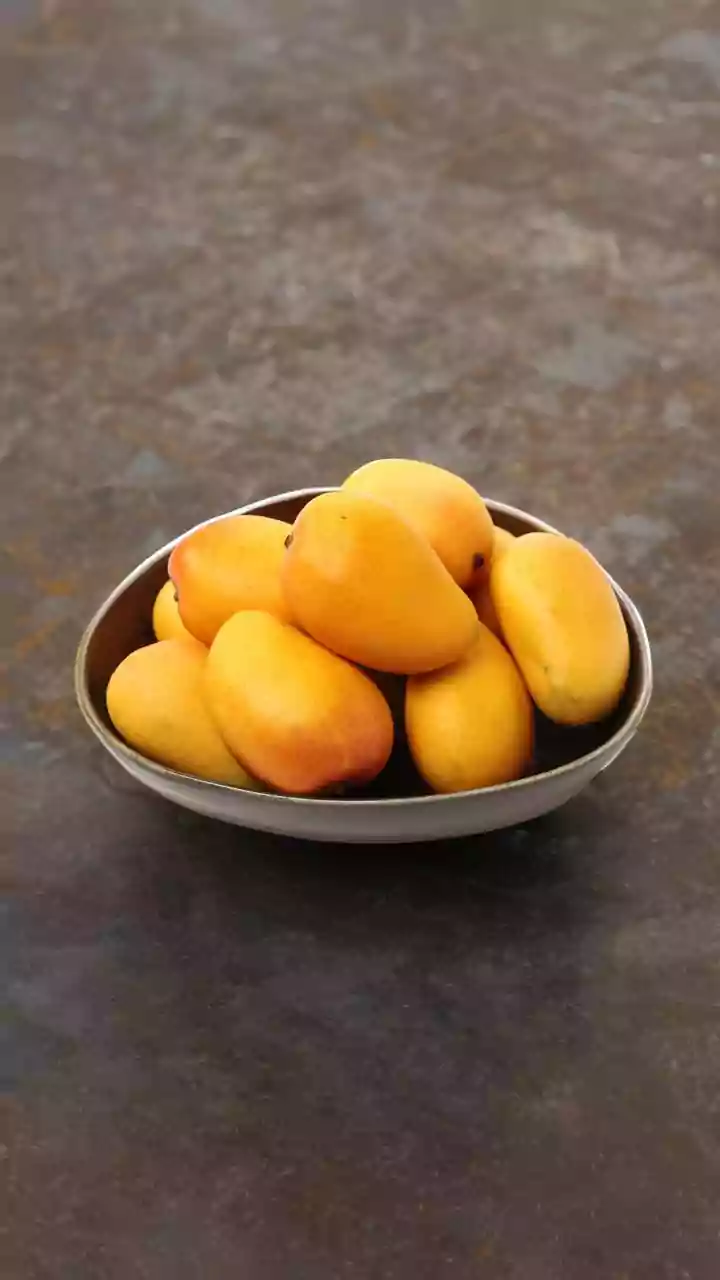
You've almost certainly seen this one. The small, kidney-shaped yellow mango often labeled “Honey Mango” in American supermarkets is the Ataulfo, a variety from Mexico. For a long time, it was the only “specialty” mango most Americans could find beyond the large, fibrous, and often disappointing red-and-green Tommy Atkins. The Ataulfo did the crucial work of priming the American palate. With its creamy, fiber-free texture and sweet, tangy flavor, it showed consumers that mangoes could be more than just stringy fruit. It became the gateway mango, creating a national appetite for high-quality varieties and paving the way for the Indian and Pakistani imports now gaining traction.
Why Is the Spotlight Shifting Now?
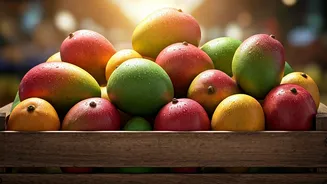
Several factors are fueling this delicious diversification. First, import logistics have improved, making it easier to get these delicate fruits from South Asia to U.S. cities in good condition. Second, growing diaspora communities have created a consistent demand, encouraging specialty grocers to stock a wider variety. Finally, the American foodie culture, ever hungry for the next authentic experience, has embraced the idea of mango connoisseurship. Social media buzz and features in food media have turned trying a new mango variety into a seasonal treasure hunt.