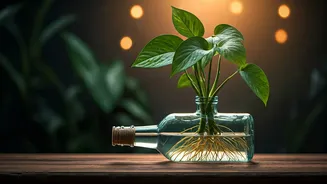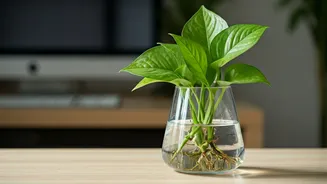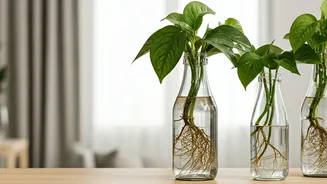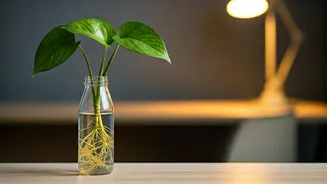



The Joy of Water Propagation
Before you dive in, it helps to know why this is such a rewarding project. At its core, hydroponic propagation simply means growing plants in water without soil. For the home gardener, it’s a clean, low-mess way to create new plants from cuttings of your
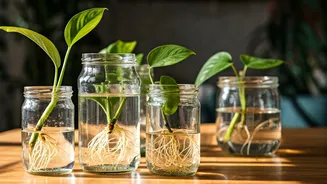
existing favorites. There’s something magical about watching roots emerge and unfurl in the clear water of a jar—it’s like a tiny, real-time science experiment on your windowsill. Not only are you multiplying your plant collection for free, but you’re also creating a living art display. These stations are perfect for adding a touch of green to small spaces, like a desk, bookshelf, or kitchen counter, where a full-sized potted plant might not fit.
Gathering Your Simple Supplies
The beauty of this project is its simplicity and reliance on materials you likely already have. You don't need a fancy kit or expensive equipment. Here’s your short shopping list: * **Glass Jars:** Any clean glass jar will do. Think old jam, pickle, or sauce jars. Look for varying shapes and sizes to create a more interesting display. Just be sure to remove the labels and any sticky residue. Soaking them in hot, soapy water usually does the trick. * **Plant Cuttings:** The stars of the show. We’ll cover which plants work best in the next section. * **Water:** Regular tap water is usually fine. If you have very hard or heavily chlorinated water, letting it sit out for 24 hours before use can be beneficial. * **Optional Upgrades:** For a more advanced or aesthetically clean setup, you can buy small plastic “net pots” that sit in the mouth of the jar, and fill them with a sterile growing medium like clay pebbles (LECA). This helps hold the cutting upright and gives the station a more deliberate, 'hydroponic' look.
Choosing the Best Plants for Beginners
Not all plants are happy to grow roots in water, but many common houseplants are famously easy to propagate this way. Starting with the right plant is the key to success. Look for vining or trailing plants with noticeable nodes—the little bumps on the stem where leaves and roots grow. Here are some can’t-fail options: * **Pothos (Epipremnum aureum):** The undisputed champion of easy propagation. It roots quickly and is very forgiving. * **Philodendron (Heartleaf Philodendron):** Similar to Pothos, its vining stems are eager to produce new roots. * **Spider Plant (Chlorophytum comosum):** Simply snip off one of the “pups” or “spiderettes” that dangle from the mother plant and place it in water. * **Tradescantia (Inch Plant):** This fast-growing, often colorful plant roots incredibly easily. * **Coleus:** Known for its vibrant foliage, Coleus also roots readily in a glass of water, making for a colorful display from day one.
The Simple, Step-by-Step Process
Ready to get started? Once you have your jar and your plant, the process takes only a few minutes. 1. **Take a Cutting:** Using clean scissors or pruning shears, take a 4-6 inch cutting from a healthy mother plant. Make your cut just below a node (the point where a leaf connects to the stem). This is where the root-growing hormones are concentrated. 2. **Prepare the Cutting:** Remove the lower leaves from the cutting, ensuring that at least one or two nodes will be submerged in water but no leaves will be. Leaves sitting in water will rot and spoil your setup. 3. **Place it in the Jar:** Fill your clean glass jar with water and place the cutting inside. Make sure the nodes you exposed are fully underwater. If you're using a net pot, gently place the cutting in the pot and fill the surrounding space with LECA before setting it in the jar. 4. **Find the Right Spot:** Place your new propagation station in a spot that receives bright, indirect light. A spot near a window but not in the path of harsh, direct sun is ideal. Too much direct sun can encourage algae growth in the water.
Care, Maintenance, and Next Steps
Your job isn’t done once the cutting is in the jar. A little maintenance will ensure your new plant thrives. The most important task is changing the water every 5-7 days, or whenever it looks cloudy. This replenishes oxygen and prevents bacteria from forming. While you’re at it, give the inside of the jar a quick rinse. Within a few weeks, you should see delicate white roots beginning to form. You can leave the plant to grow in water indefinitely, creating a permanent hydroponic display. Alternatively, once the roots are about 1-2 inches long, you can transplant your new plant into a small pot with soil. This transition can be a bit of a shock, so be sure to keep the soil consistently moist for the first couple of weeks as the plant adapts from its watery home.