

A Backlash Against 'Nice' Cream
For the better part of a decade, the dessert world has been dominated by a wellness-obsessed ethos. We swapped ice cream for frozen yogurt, then fro-yo for protein-packed pints that promised all the pleasure with none of the guilt. We learned to love
ice cream made from oats, almonds, and avocados. But a quiet rebellion has been churning. Consumers are experiencing 'health-halo' fatigue. There's a growing sentiment that if you're going to have a treat, it should be an actual treat—one that delivers on richness, flavor, and texture. The slightly icy, vaguely artificial aftertaste of many 'guilt-free' alternatives is no longer cutting it. People are rediscovering that the satisfying mouthfeel of real milkfat and the creamy complexity of full-dairy desserts aren't just features; they're the entire point. The trend isn't a rejection of health, but a re-embrace of satisfaction.
The Comfort of the Classics
In uncertain times, we crave the familiar. And what’s more familiar than a dripping soft-serve cone from a roadside stand or a thick, brain-freeze-inducing milkshake from a chrome-plated diner? This dessert revival is dripping with nostalgia. We’re not just buying ice cream; we’re buying a memory. Frozen custard, with its dense, eggy richness, is making a significant comeback beyond its Midwestern heartland. Once relegated to state fairs and boardwalks, this velvety dessert is now popping up in trendy urban creameries. The same goes for classic hard-scoop parlors focusing on foundational flavors done exceptionally well. It’s a return to a simpler time, when a cone of chocolate or vanilla wasn’t a compromise, but the perfect end to a summer day.
Not Your Childhood Soft Serve
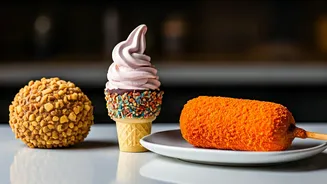
While nostalgia provides the foundation, this trend isn't just a carbon copy of the past. It’s a premium upgrade. The new wave of dairy desserts marries classic forms with modern culinary standards. Think of it as nostalgia, refined. That soft-serve cone is no longer just a generic vanilla swirl from a mysterious powder mix. Today, it’s small-batch, made with local, grass-fed milk, and comes in sophisticated flavors like burnt honey, pistachio, or matcha. Artisanal creameries are treating dairy with the same reverence a craft brewery treats hops or a third-wave coffee shop treats its beans. They’re focusing on the provenance of the milk and the quality of the ingredients, turning a simple pleasure into an affordable luxury. It’s a way for consumers to indulge in something that feels special and high-quality without a hefty price tag.
Dessert for the Digital Age
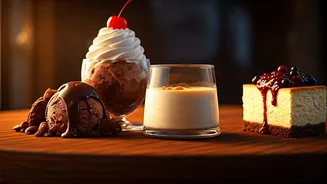
A key accelerant for the dairy dessert renaissance is its sheer photogenic nature. In the age of social media, we eat with our eyes first, and these treats are irresistibly camera-ready. A perfectly symmetrical swirl of frozen custard in a crisp waffle cone, a towering 'freakshake' overflowing with toppings, or the vibrant color of a scoop of black raspberry ice cream—these are images built for Instagram feeds and TikTok videos. A simple, text-less photo of a dripping cone against a summer sky is a universal signifier of joy. This visual appeal creates a powerful feedback loop: people see beautiful dairy desserts online, seek them out, and then share their own photos, amplifying the trend. It’s a modern, digital version of old-fashioned word-of-mouth, and it’s making these classic treats cooler than ever.