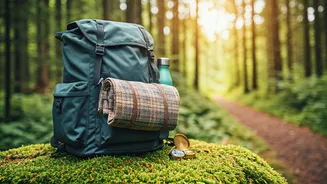





1. Embrace the Humble State Park
Forget the crowds and high entrance fees of some major national parks. The real magic for a quick, affordable reset lies in America’s vast network of state parks. Often just a short drive from major cities, they offer well-maintained trails, campsites,
and picnic areas for a fraction of the cost. A weekend camping trip to a state park might set you back less than the price of a single dinner at a tourist-trap restaurant. Many also have cabins or yurts for rent, providing a touch of comfort without the hotel price tag. It’s the perfect entry-level option for those who want accessible nature without committing to a multi-day backcountry expedition.
2. Master the Art of the Day Trip
The most effective reset doesn't always require an overnight stay. The cumulative stress of daily life can often be broken by a single, intentional day spent outdoors. Identify a trail system, a nature preserve, or a public beach within a two-hour drive. Pack a lunch, fill a water bottle, and leave your phone in the car (or at least on airplane mode). A full day of hiking, kayaking, or simply sitting by a lake eliminates the cost of accommodation entirely, making it the ultimate budget-friendly escape. The goal isn't mileage; it's mindfulness. The simple act of removing yourself from your usual environment for eight hours can have a profound impact on your mental state.
3. Explore Free-Use Public Lands
For the slightly more adventurous, a world of opportunity exists on public lands managed by the Bureau of Land Management (BLM) and in many National Forests. These areas often allow for 'dispersed camping'—that is, free camping outside of designated campgrounds, provided you follow Leave No Trace principles. This approach requires more self-sufficiency (you'll need to bring your own water and pack out all your trash), but the payoff is immense: total solitude and zero accommodation costs. Websites like The Dyrt and iOverlander have become essential resources for finding vetted dispersed camping spots, turning millions of public acres into your potential backyard.
4. Go Against the Grain with Off-Season Travel
Popular nature destinations have a high season for a reason, but the 'shoulder seasons'—the periods just before and after peak demand—offer a sweet spot of good weather, fewer people, and lower prices. A mountain cabin that’s booked solid in July might be half the price in late September when the autumn colors begin to show. A coastal campsite that’s impossible to reserve in August could be wide open on a sunny week in May. Traveling off-season not only saves you money but also provides a more serene experience, allowing you to enjoy the landscape without battling for parking or trail space.
5. Rent or Borrow Gear to Start
One of the biggest perceived barriers to outdoor adventures is the cost of gear. A quality tent, sleeping bags, and a camp stove can represent a significant upfront investment. But you don't need to own it to get started. Many local outdoor retailers, like REI, offer affordable rental programs for everything from tents and backpacks to snowshoes and kayaks. This allows you to try an activity without the financial commitment. Furthermore, don't underestimate the power of your social circle. A simple post on social media asking to borrow a tent for a weekend can unlock the generosity of friends who have gear gathering dust in their garage.