
Rethink Your Rain Gear
The immediate instinct is to pack a heavy-duty waterproof jacket and pants. But in humid, tropical climates, you’ll likely end up just as wet from sweat on the inside. Instead of prioritizing 'waterproof,' think 'quick-dry.' Lightweight, breathable, synthetic
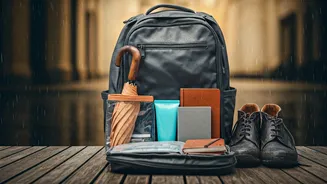
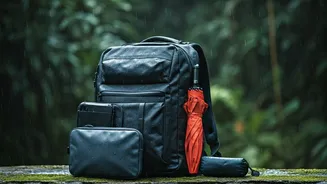
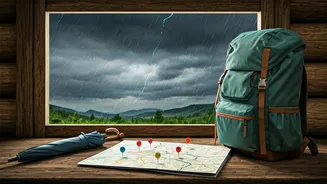
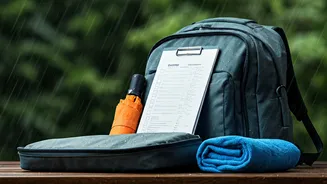
fabrics are your best friends. Pack shirts made of polyester or nylon blends that won’t hold moisture. A light, packable rain shell is good for sudden downpours, but for all-day drizzles, you might be more comfortable with just a high-quality travel umbrella and clothes that dry in an hour in your hotel room.
Choose Your Footwear Wisely
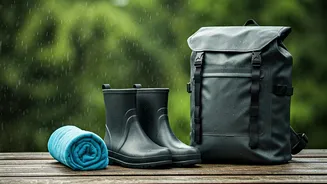
Soggy shoes are a trip-ruiner. While waterproof hiking boots are great for muddy trails, they can be hot, heavy, and slow to dry if water gets in over the top. For city exploring, consider a two-pronged approach. First, a pair of sturdy, sport-style sandals with good traction (think Keen or Teva) that are designed to get wet and dry quickly. Second, a pair of comfortable, closed-toe shoes you can keep dry for evenings or indoor activities. The golden rule is to never have just one pair of shoes. Always have a dry backup ready to go.
Embrace the Dry Bag
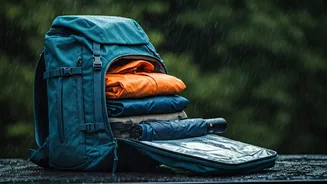
This is a non-negotiable hack. A small-to-medium-sized 'dry bag'—the kind used for kayaking or canoeing—is an inexpensive and indispensable piece of gear. Use it to line your daypack or as a standalone bag for your most precious items: phone, camera, passport, and wallet. Even 'water-resistant' backpacks will eventually soak through in a persistent deluge. A dry bag provides total peace of mind, ensuring your electronics and documents are completely protected, no matter how intense the storm gets. Tossing a few extra Ziploc bags in your luggage is also a smart, low-cost backup.
Plan for Flexibility and Delays
Monsoon seasons can wreak havoc on transportation schedules. Ferries get canceled, rural roads can become impassable, and low-visibility conditions can delay flights. Don’t pack your itinerary too tightly. Build buffer days into your travel plans, especially if you’re moving between different locations. Use the downtime to your advantage. A canceled ferry might lead you to discover a wonderful local cafe or an unplanned afternoon to read a book. Adopting a more relaxed, flexible mindset is crucial. The rain forces a slower pace of travel, and leaning into that can be part of the adventure.
Seek Out Indoor Culture
A rainy day is the perfect excuse to dive into the local indoor scene. Instead of just waiting for the sun, see the rain as a nudge toward different kinds of experiences. This is your chance to spend an entire afternoon in a national museum, take a local cooking class, explore covered markets, or enjoy a long, leisurely coffee at a popular cafe. These activities often provide a more intimate connection with the culture than simply hitting the big outdoor sights. Research a few great indoor options for each destination before you go, so you have a ready-made plan when the skies open up.
Prioritize Health and Safety
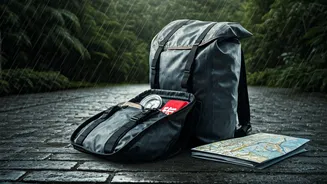
Rainy seasons, particularly in tropical areas, can mean an increase in mosquitoes. Pack and use an effective insect repellent containing DEET or Picaridin, and consider treating your clothes with permethrin before you leave. Be mindful of slick surfaces; cobblestone streets and temple steps can become treacherous when wet. Additionally, be cautious about street food that may have been exposed to rainwater and stick to bottled or purified water to avoid potential contamination from flooding. A small first-aid kit with antiseptic wipes and bandages is always a good idea.
Shift Your Photographic Mindset
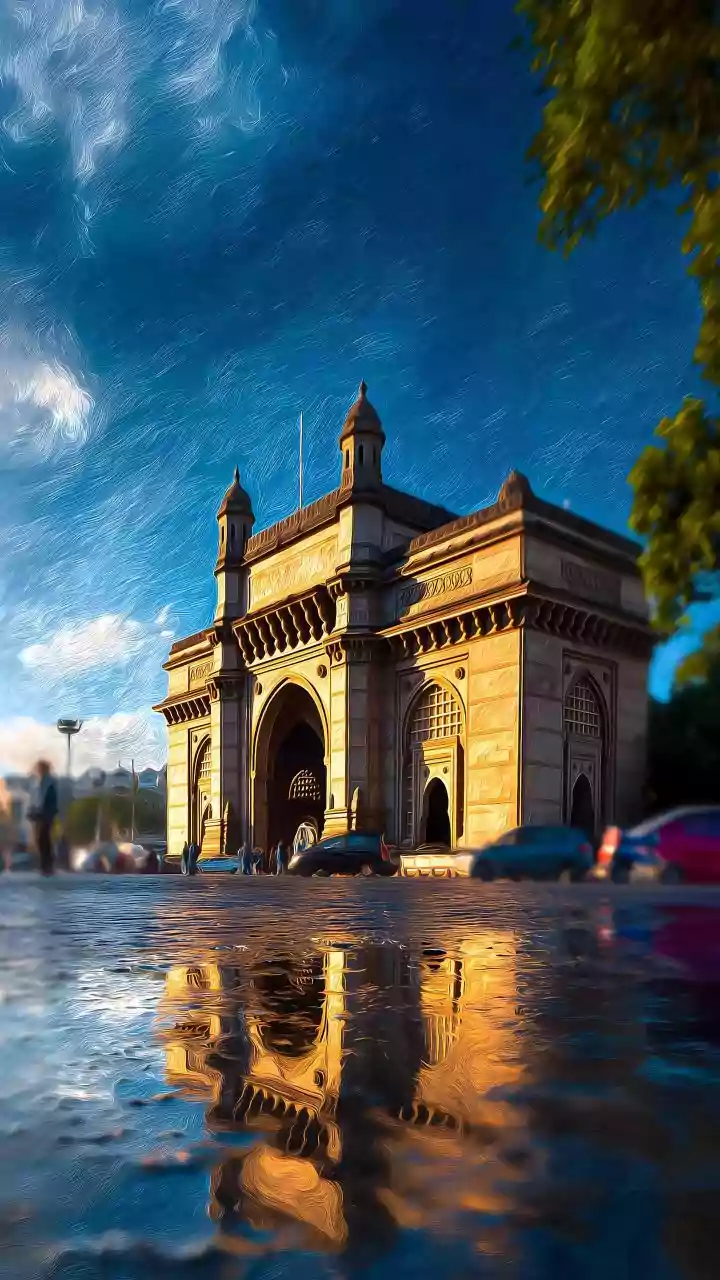
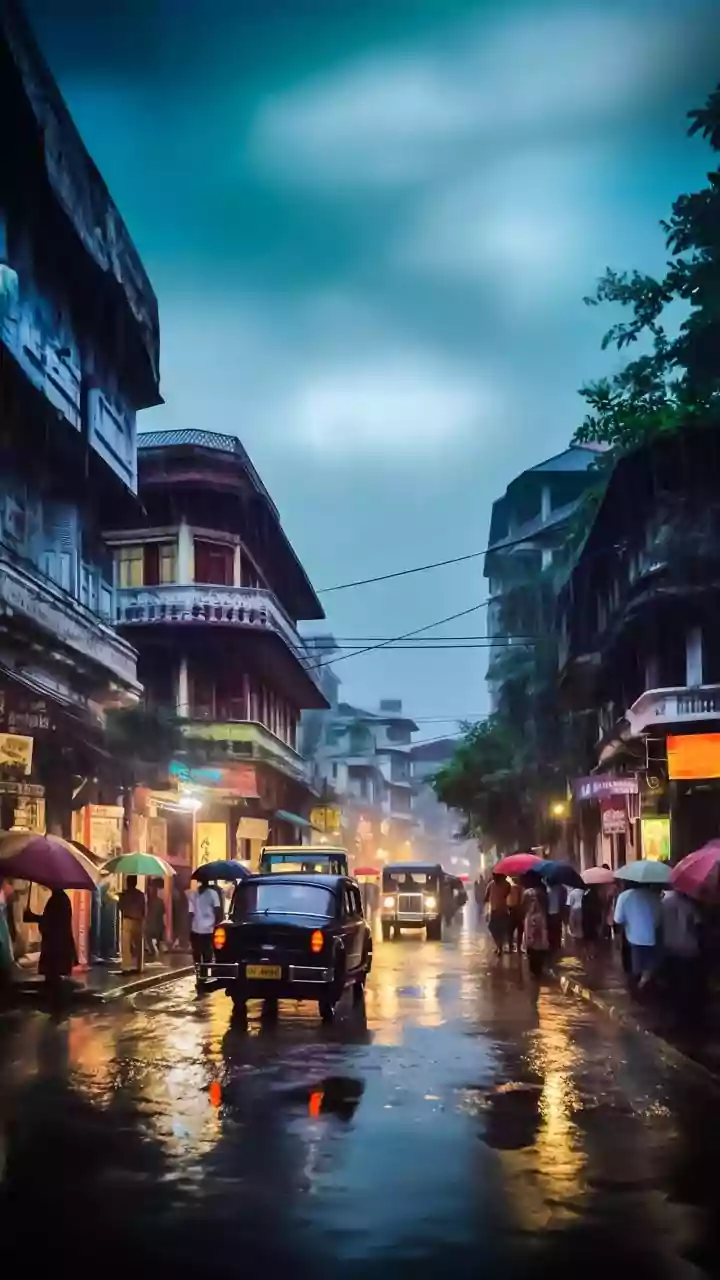
Forget bright, sunny blue-sky photos. The monsoon season has its own unique and dramatic beauty. The world becomes vibrant and saturated, with deep greens and moody, overcast skies that eliminate harsh shadows. Puddles create stunning reflections, and the mist rolling over hills or through city streets can be incredibly atmospheric. Focus on capturing these different textures and moods. It’s also a great time for portraits, as the soft, diffused light from an overcast sky is far more flattering than direct sunlight. Look for the beauty in the drama, not the absence of sun.