




The Gut Microbiome Is the New HQ
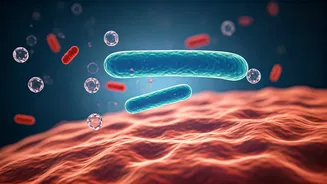
The old model of immunity was simple: pop a Vitamin C tablet. The new model understands that up to 70% of your immune system resides in your gut. This isn't just about avoiding a stomach bug; it's about cultivating a thriving internal ecosystem. By 2026,
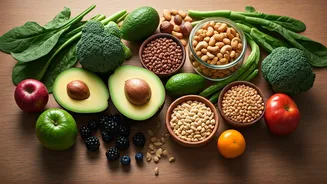
thinking about immunity will mean thinking about your gut microbiome first. The focus will shift heavily toward prebiotic fibers (found in onions, garlic, bananas) that feed good bacteria, and a diverse range of probiotic-rich fermented foods like kimchi, kefir, kombucha, and miso. Expect to see 'microbiome-friendly' labels become as common as 'low-fat' once was, with products specifically formulated to support gut-barrier integrity and microbial diversity, which are the true gatekeepers of your immune response.
Hyper-Personalization Goes Mainstream
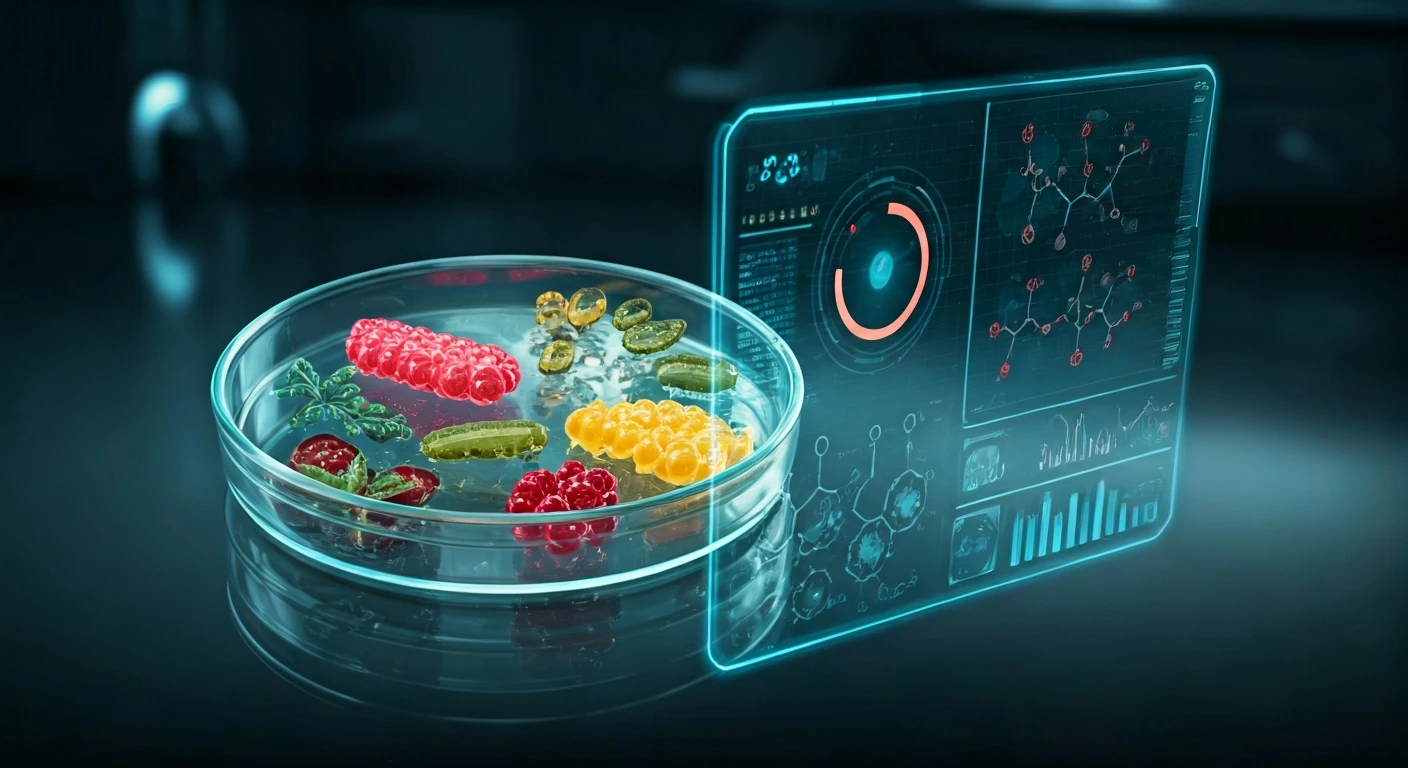
One-size-fits-all dietary advice is on its way out. The future is hyper-personalized, powered by technology that’s becoming more accessible every day. Imagine a world where your smartwatch doesn't just track your steps, but also monitors inflammation markers. Combine that with at-home blood or microbiome testing, and you get a clear picture of your unique nutritional needs. AI-driven apps will then translate this data into a dynamic eating plan. Instead of guessing if you need more zinc or Vitamin D, you’ll have concrete, data-backed recommendations tailored to your body's real-time status. This moves us from a generalized “eat the rainbow” approach to a precise, individualized strategy for optimizing immune resilience.
Functional Foods Get a Serious Upgrade
We’ve seen cereals fortified with vitamins for decades. That was Functional Food 1.0. The next wave is far more sophisticated. Think less about adding basic nutrients and more about integrating powerful, biologically active compounds into everyday products. Adaptogens—like ashwagandha for stress modulation and reishi mushrooms for immune support—will move from niche wellness shops into your coffee, protein bars, and even sparkling water. These ingredients are prized for their ability to help the body manage stress, a known suppressor of the immune system. The focus is on holistic balance, not just flooding the body with a single nutrient. This means your daily snack or beverage won't just be 'healthy'—it will be actively working to help your body maintain equilibrium.
Food, Mood, and Immunity Connect
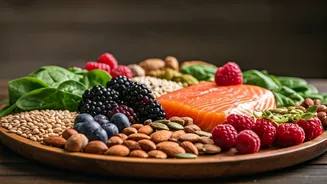
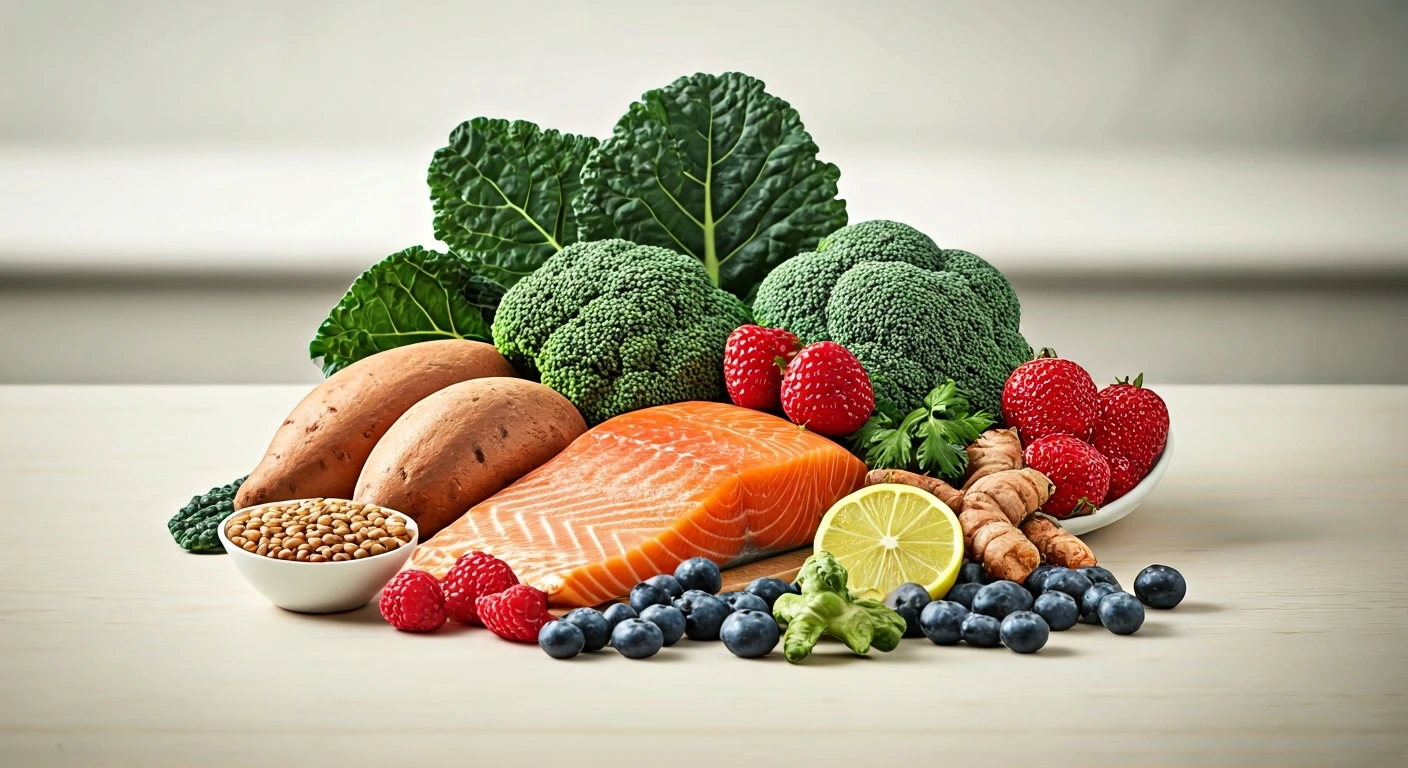
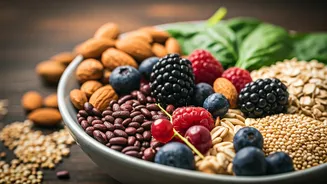
The link between mental and physical health is no longer a fringe concept. We now know that chronic stress and poor mental health can directly impair immune function by keeping cortisol levels elevated. “Immunity-first eating” in 2026 will explicitly include “mood food.” This means a greater emphasis on nutrient-dense foods that support neurological health and combat stress. Think omega-3 fatty acids from fish and flaxseed to fight inflammation, magnesium from leafy greens and nuts to calm the nervous system, and complex carbohydrates to stabilize mood and energy. Eating for immunity will mean eating to keep your brain and nervous system happy, recognizing that a stressed system is a vulnerable one.
Smarter Hydration Takes Over
Staying hydrated has always been a cornerstone of health, but the future is about more than just water. Sugary sports drinks are being replaced by sophisticated, low-sugar electrolyte powders and functional beverages. These next-generation drinks are designed not just for post-workout recovery but for daily immune maintenance. Look for formulas that combine essential electrolytes like potassium and magnesium with immune-supporting players like zinc, selenium, and L-glutamine (an amino acid crucial for gut health). Botanical infusions with anti-inflammatory properties, like ginger and turmeric, will also become standard. It's about making every sip count toward a more resilient system.