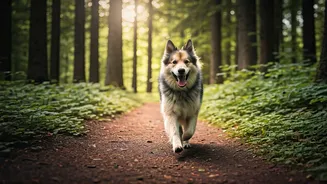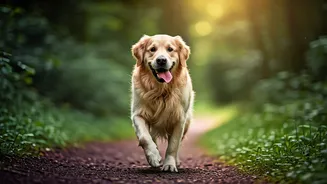





More Than Just a Walk
Anyone who’s hiked with a dog knows it’s a different kind of journey. You’re no longer just moving from point A to point B. You’re on a shared mission of discovery, guided by your dog’s boundless curiosity. They’ll stop to investigate a scent you would
have missed, their excitement over a stream reminding you of simple pleasures. This shared experience deepens your bond in a way that a walk around the block rarely can. Scientific studies point to the stress-reducing benefits of both nature and animal companionship; combining them amplifies the effect. It forces you to slow down, to see the world from a more sensory perspective, and to appreciate the trail through their joyful eyes. A challenging ascent becomes a team effort, and a rest at the summit feels like a mutual victory.
Finding the Perfect Path
The dream of a perfect pet hike starts with choosing the right trail. Not all trails are open to dogs, and among those that are, not all are suitable. Start your search with resources like AllTrails or BringFido, which offer filters for pet-friendly routes. But don’t stop there. Always visit the official park or forest service website for the most current regulations. Many U.S. National Parks have strict rules, often limiting dogs to paved roads, parking lots, and specific campgrounds, while National Forests and Bureau of Land Management (BLM) lands tend to be more lenient. Consider your dog’s fitness, age, and breed. A flat, shaded, three-mile loop is a great start for a beginner pup, while a seasoned canine adventurer might be ready for more elevation. Avoid trails with sharp rocks (tough on paws), steep scrambles, or extreme temperature exposure.
Packing for Your Plus-One
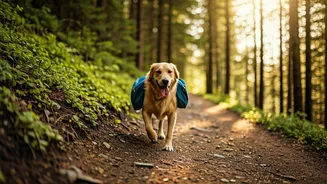
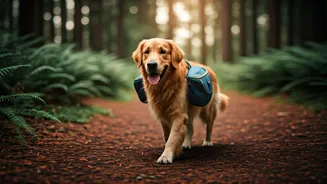
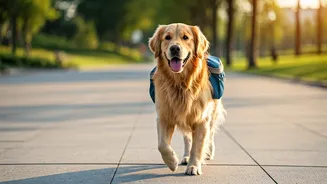
Your hiking checklist needs a few key additions when a four-legged friend is coming along. A successful outing is a safe one, and that means being prepared. The absolute non-negotiable is water—and lots of it. Dogs can’t regulate their temperature as efficiently as humans, so they need frequent water breaks. Pack a lightweight, collapsible bowl for easy serving. Next, think snacks. High-protein dog treats will help keep their energy up. A basic pet first-aid kit is also a wise investment, including essentials like antiseptic wipes, gauze, and tweezers for ticks or splinters. Finally, bring poop bags—and use them. Packing out everything you pack in, including pet waste, is a fundamental rule of outdoor ethics. A dedicated doggy backpack can help your pet carry their own supplies, but make sure it’s properly fitted and not overloaded (a dog should carry no more than 10-20% of their body weight).
Mastering Trail Etiquette
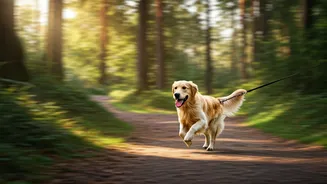
Being a responsible pet owner on the trail ensures these natural spaces remain accessible to dogs in the future. The National Park Service promotes a simple acronym, B.A.R.K., which is a great code of conduct anywhere you hike. 'B' is for Bag your pet’s waste. 'A' is for Always use a leash, unless you are in a designated off-leash area and have perfect voice control; a leash protects your dog, other hikers, and wildlife. 'R' is for Respect wildlife; keep your dog from chasing or harassing animals. 'K' is for Know where you can go; stick to approved trails. When encountering other hikers, pull over to the side of the trail and maintain a short leash, allowing them to pass comfortably. Not everyone is comfortable around dogs, and a courteous gesture goes a long way in fostering a positive trail culture.
Reading Your Dog's Signals
Your dog can’t tell you when they’re tired or thirsty, so it’s your job to be their advocate on the trail. Pay close attention to their body language. Excessive panting, lagging behind, or lying down unexpectedly are clear signs your dog needs a break. Check their paws periodically for cuts or blisters, especially on rocky terrain. On hot days, be mindful of the risk of heatstroke, which can be life-threatening. If your dog seems disoriented, is drooling heavily, or has a rapid heart rate, find shade immediately, offer water, and cool them down with damp cloths. The best adventures are the ones where everyone comes home safe and happy. Learning to read your dog’s subtle cues not only ensures their safety but also strengthens your partnership, turning a simple hike into a true act of teamwork and care.