




The Winter Window Sill Problem
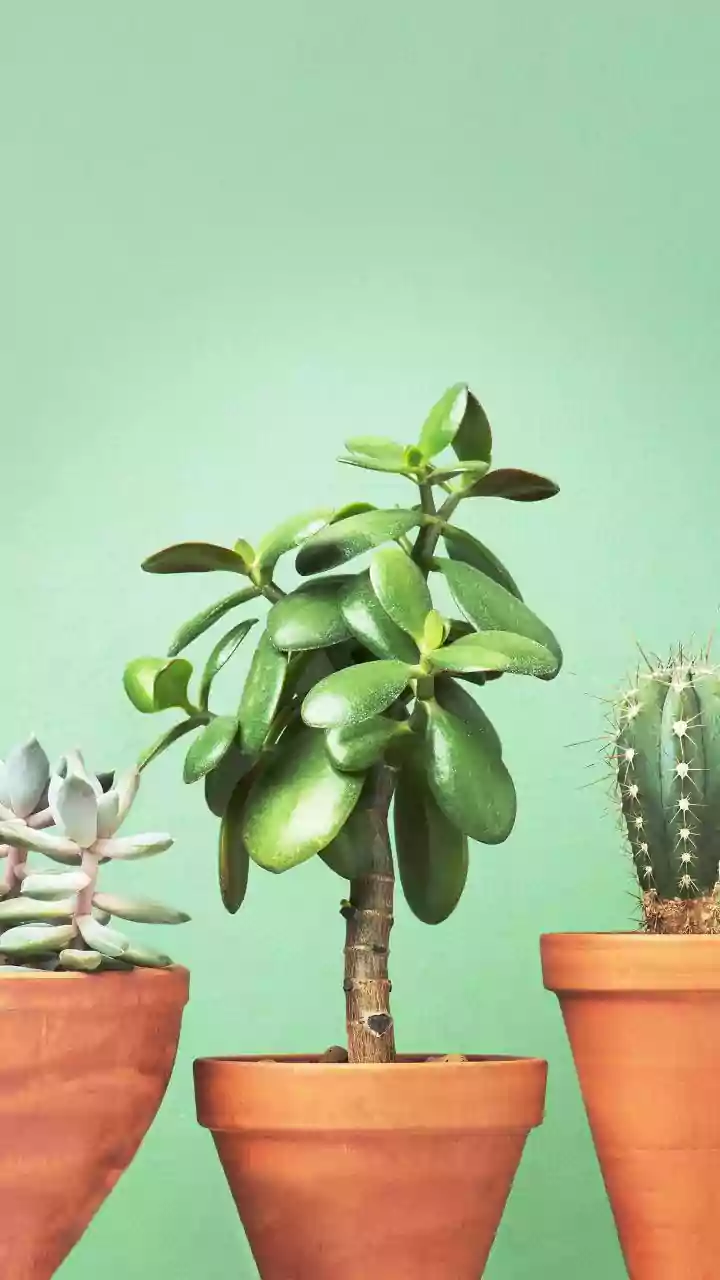
For generations, the dream of a year-round indoor garden has been tantalizingly out of reach for most. The classic solution—a few pots on a sunny windowsill—works beautifully for a hardy spider plant but often fails miserably for anything you’d actually
want to eat. Leafy greens and herbs are light-hungry. They need the kind of intense, full-spectrum sun that most American homes simply don't get between October and April.The sun’s angle is too low, the days are too short, and the light that does filter through is often too weak. The result is sad, 'leggy' plants: pale, stretched-out stems desperately reaching for a light source that isn't giving them what they need. For a while, the only alternative was bulky, buzzing, heat-blasting fluorescent shop lights—an industrial solution that looked and felt completely out of place in a modern home. It was a compromise that few were willing to make.
The LED Revolution Arrives Home
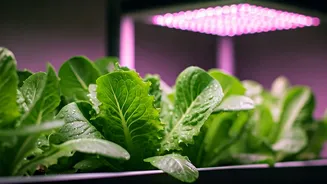
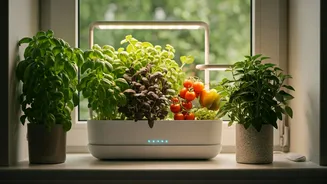
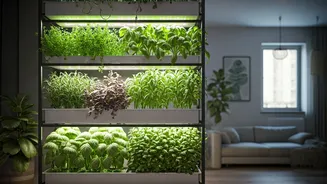
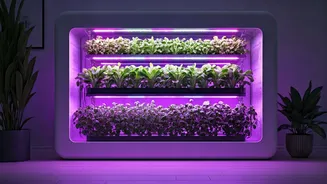
Enter the grow-light boost. The game-changer isn’t a new gardening secret; it’s a technological one that has finally become affordable and accessible: light-emitting diodes, or LEDs. The same tech that powers your flat-screen TV and energy-saving lightbulbs has been miniaturized, optimized, and tailored for horticulture. These aren’t your grandpa’s humming fluorescent tubes or the scorching-hot high-pressure sodium lamps used in commercial greenhouses.Modern LED grow lights are sleek, silent, and cool to the touch. They come in elegant strips that can tuck under a kitchen cabinet, stylish standalone lamps that look like designer decor, and full-stack shelving units that can turn a small closet into a miniature farm. What was once a niche, expensive hobby for dedicated enthusiasts is now plug-and-play. This shift has democratized indoor growing, moving it from the garage workshop to the kitchen counter.
More Than Just a Pretty Light
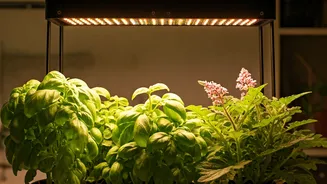
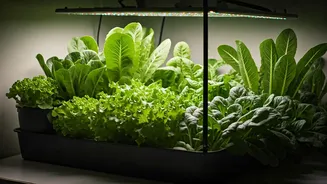
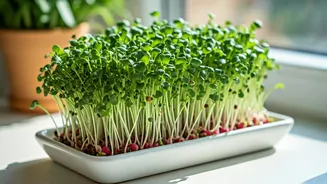
The real magic of today’s LED grow lights is their scientific precision. Early indoor gardeners had to guess which light worked best. Now, we know. Plants don’t just need brightness; they need the right *kind* of light. They thrive on specific wavelengths—primarily blue light for leafy growth and red light for flowering and fruiting. Old incandescent bulbs produced a lot of heat and not much useful light. Fluorescents were better, but still inefficient.Today’s 'full-spectrum' LEDs are engineered to mimic the sun, delivering the ideal mix of red, blue, and other wavelengths that plants crave. This targeted energy means two things. First, your plants grow faster, fuller, and healthier. A tray of microgreens can be ready in a week, and a head of lettuce can mature in a month. Second, it's incredibly energy-efficient. Because almost all the electricity is converted into usable light rather than wasted heat, running an LED grow light setup costs pennies a day, making it a sustainable choice for both your wallet and the planet.
From Hobby to Hyper-Local Harvest
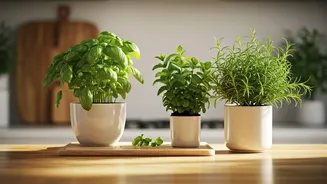
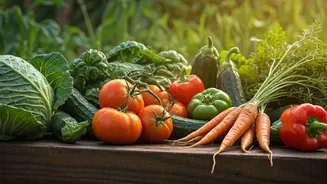
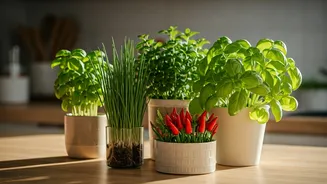
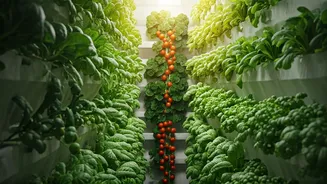
This technological leap couldn't have come at a better time. We’re living in an era where people care more than ever about where their food comes from. The desire for clean, pesticide-free produce and the satisfaction of self-sufficiency have converged. An indoor garden is the definition of 'eating local.' It's zero-food-miles produce, harvested moments before it lands on your plate. There's no question about how it was grown or what it was sprayed with.This isn't just about saving a trip to the store; it's about flavor and nutrition. A freshly cut leaf of basil has an aromatic punch that its store-bought cousin can't match. Vitamins and nutrients degrade over time during shipping and storage; your homegrown greens are at peak freshness. Thanks to this grow-light boost, having that peak flavor and nutrition on demand is no longer a luxury—it’s a simple, rewarding part of modern home life.