

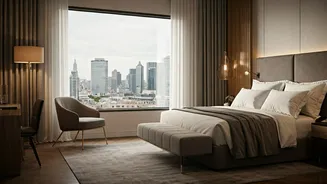
So, What Is 'Vibe-Based' Travel?
Think of it as mood-boarding your vacation before you even look at a flight deal. Instead of starting with 'Paris' or 'Miami,' you start with a feeling. Maybe the vibe is 'cozy cabin in the woods with a fireplace and a good book.' That could lead you to
the Catskills, the Blue Ridge Mountains, or a remote corner of Oregon. The destination becomes a supporting actor to the starring role: the experience itself. Travel giant Expedia even dubbed this trend 'vibe-cations' in its 2023 trends report, noting a major shift in how people search for and plan their getaways. It’s less about ticking a famous landmark off a list and more about curating a specific atmosphere. This approach liberates travelers from the pressure of visiting the 'right' places and empowers them to find hidden gems that perfectly match their desired state of mind, whether that's total relaxation, creative inspiration, or high-energy adventure.
The 'Main Character Energy' Getaway
One of the most popular vibes driving this trend is the desire for a 'main character energy' trip. This is for the traveler who wants to feel like they’re living in a movie. It’s about romance, aesthetics, and a touch of cinematic fantasy. They aren’t just visiting Italy; they’re picturing themselves as the lead in an indie film, riding a Vespa through sun-drenched Tuscan hills or discovering a charming, family-run trattoria on a cobblestone street. This vibe might lead them to a picturesque villa rental found on Airbnb Luxe, but it could also guide them to a coastal town in Croatia or a historic city like Savannah, Georgia—anywhere they can script their own personal narrative. The itinerary is built around moments that feel special and photogenic, from the morning espresso on a private balcony to the perfect sunset view.
The 'Off-Grid Digital Detox'
On the opposite end of the spectrum is the increasingly sought-after 'digital detox' vibe. For this traveler, the goal is disconnection. The feeling they’re chasing is one of quiet, peace, and a release from the constant buzz of screens and notifications. The search starts not with a city, but with keywords like 'secluded,' 'no Wi-Fi,' and 'nature.' This could translate to a minimalist desert yurt in Joshua Tree, a rustic cabin deep in the woods of Vermont, or a simple beachfront bungalow in a sleepy Mexican village. The success of the trip isn’t measured by the number of sights seen, but by the quality of the silence and the ability to truly unplug. Companies and properties are leaning into this, marketing the lack of connectivity as a luxury feature and offering experiences like guided forest bathing, yoga retreats, and stargazing tours.
The 'Cultured Urban Explorer'
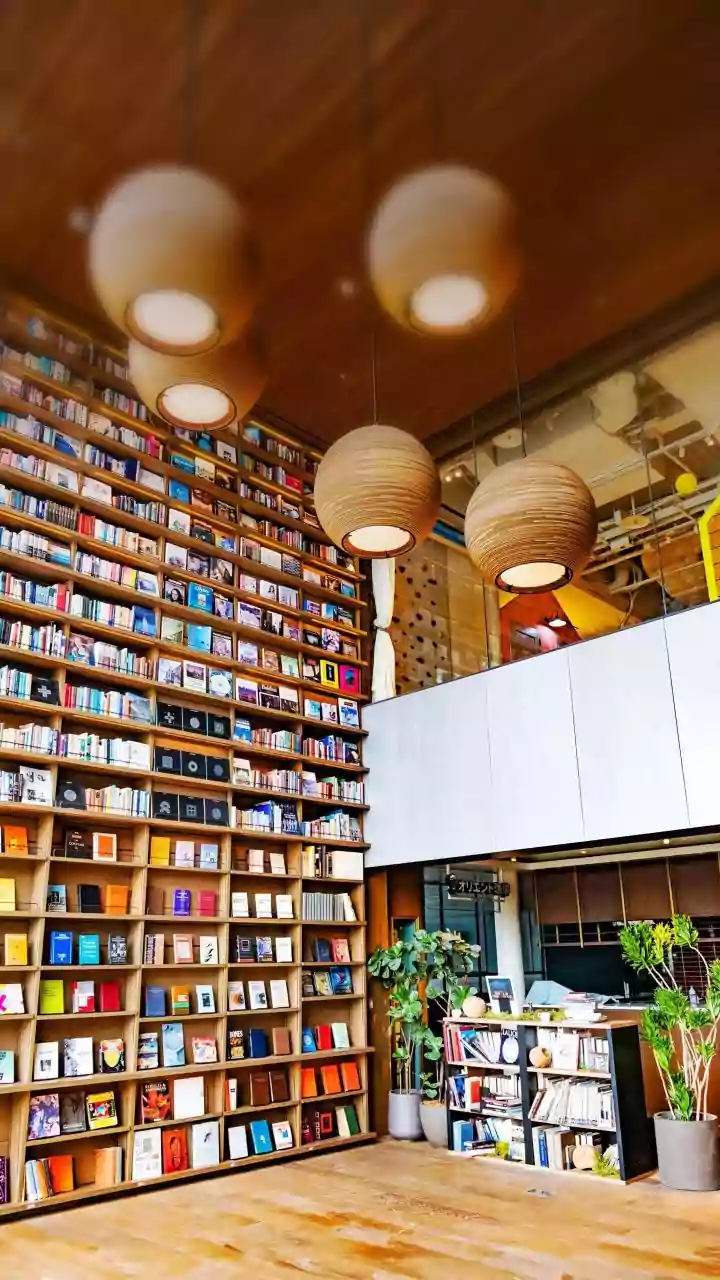
This vibe is for the person who craves the anonymous energy of a big city, but with a specific flavor. They want to feel immersed in art, food, and local culture. Instead of a generic 'city break,' they might seek a 'gritty, artsy warehouse district' vibe or a 'historic, literary, cafe-hopping' experience. The first might lead them to a converted loft in Brooklyn or Berlin, while the second could point them toward Boston’s Beacon Hill, Dublin’s literary pubs, or the romantic streets of Prague. By focusing on the feeling, they bypass the obvious tourist traps in favor of neighborhoods where they can live like a local for a few days. They’re booking trips around specific food scenes, niche museum exhibits, or architectural styles, letting their passions dictate the destination rather than a travel guide’s top ten list.
Why Is This Happening Now?
This shift isn't happening in a vacuum. It’s a direct response to several cultural forces. First, social media platforms like TikTok and Instagram have trained us to think in aesthetics and moods. A viral video of a 'coastal grandmother' summer in New England can inspire a trip more effectively than any tourism board ad. Second, the post-pandemic world has left many travelers craving more meaningful and personalized experiences. We were starved for novelty, and a generic, pre-packaged vacation just doesn’t cut it anymore. Finally, there's a growing fatigue with over-tourism. By decoupling the experience from the famous place, travelers are discovering new, less-crowded destinations that offer the exact same feeling without the long lines and inflated prices. It’s a way to reclaim authenticity in an increasingly commercialized world.