



Why Humid Weather Is Fruit's Enemy
In many parts of the world, monsoon season brings a period of intense humidity and heat. While essential for agriculture, these conditions create a perfect breeding ground for microorganisms like bacteria, mold, and yeast. For fresh produce, this environment
is a major threat. The airborne moisture clings to fruit surfaces, encouraging spoilage and the rapid multiplication of potentially harmful pathogens. This isn't just a problem in tropical climates. Think of a sticky August day in the American South, a humid heatwave in the Midwest, or any kitchen after a steamy shower. The principles of 'monsoon wellness' are simply food safety best practices amplified to meet a greater challenge—a challenge that applies to anyone buying fruit during warm, damp weather. Understanding this risk is the first step to ensuring the beautiful berries and juicy peaches you bring home are a source of nutrition, not sickness.
The 'Wash' Rule: More Than a Rinse
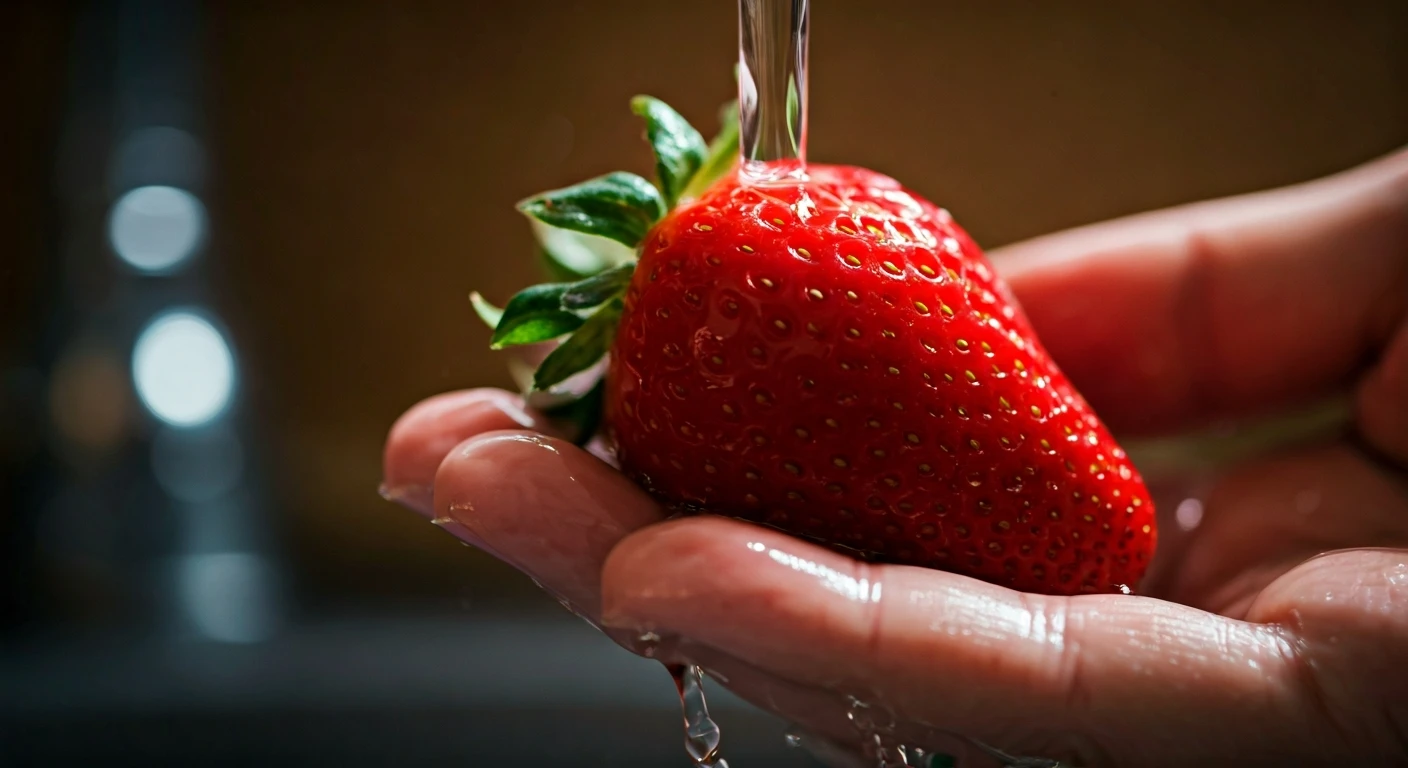
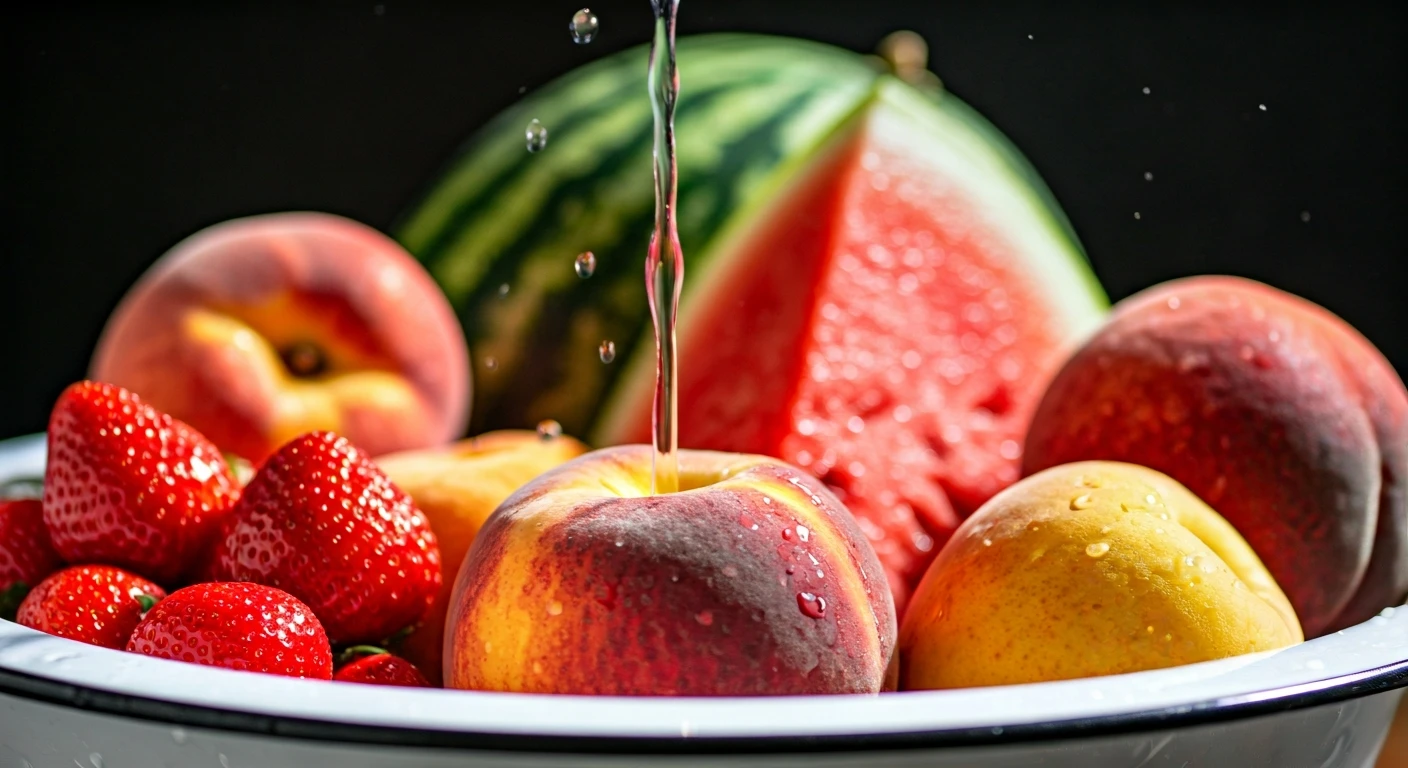
The most fundamental step in fruit hygiene is a proper wash, but a quick splash under the tap isn't enough, especially when humidity is high. The goal is to physically remove dirt, pesticides, and microbes from the surface. According to the FDA, you should not use soap, detergent, or commercial produce washes, as they aren't proven more effective and can leave behind residues. Instead, wash all produce under clean, running water. For delicate fruits like berries, place them in a colander and let the water run over them gently. For fruits with firm skins, like apples, melons, or lemons, you can use a clean produce brush to scrub the surface. This mechanical action is crucial for dislodging contaminants. And yes, you should wash fruits even if you plan to peel them, like bananas or oranges. Bacteria on the peel can easily be transferred to the flesh by your hands or the knife.
Dry Thoroughly, Store Wisely
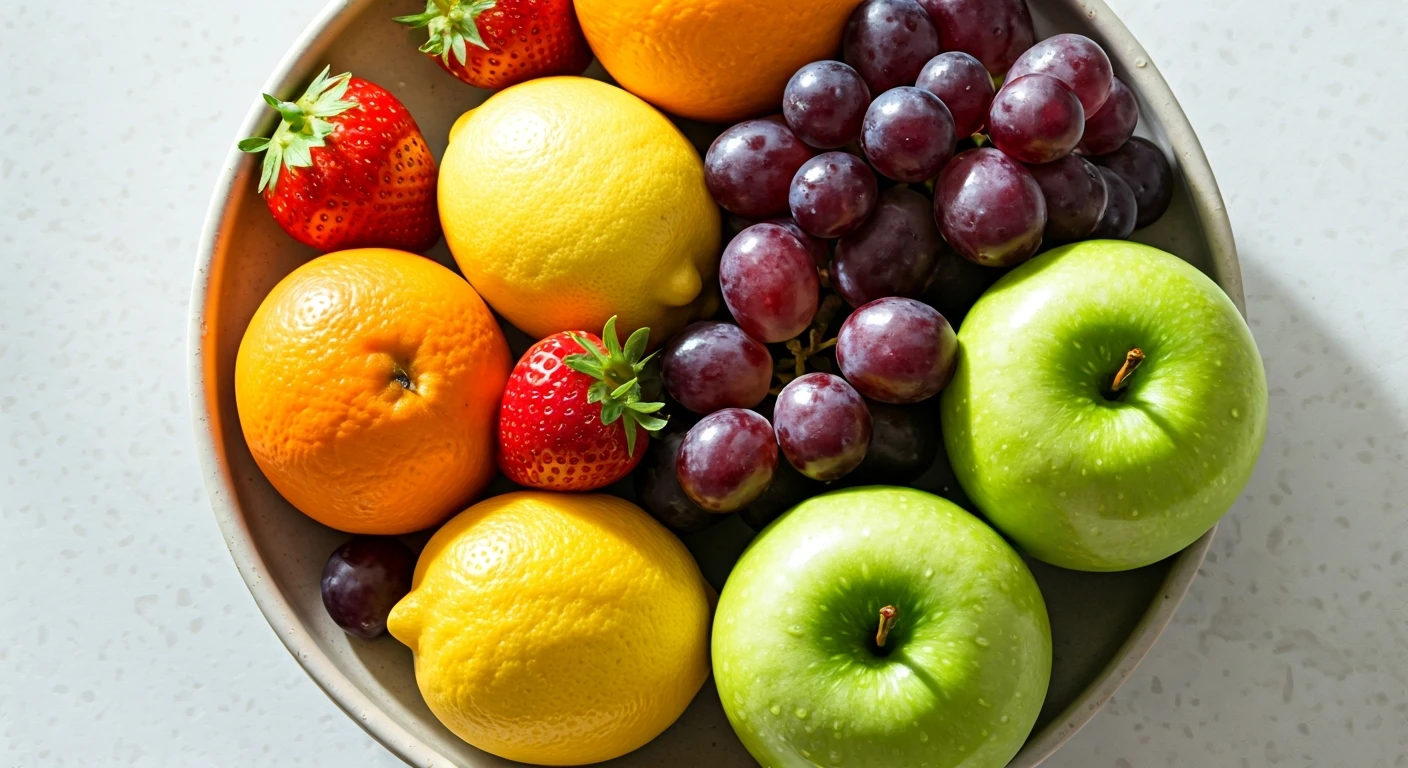
Water may clean your fruit, but leftover moisture is an invitation for spoilage. After washing, drying your fruit completely with a clean cloth or paper towel is a non-negotiable step. This simple act can dramatically extend the life of your produce by creating a less hospitable surface for mold and bacteria to grow. Once dry, storage becomes key. Not all fruits belong in the refrigerator. Berries, grapes, and cut fruit should always be refrigerated. However, whole tropical fruits like bananas and mangoes, as well as stone fruits like peaches and nectarines, should be left on the counter to ripen. Once ripe, you can move them to the fridge to slow down the aging process. Avoid sealing fruit in airtight containers or plastic bags, which trap moisture. If you use a bag, make sure it's perforated to allow for air circulation. Grouping fruit in a bowl might look nice, but it can also trap humidity and accelerate spoilage.
The 'Cut with Care' Principle
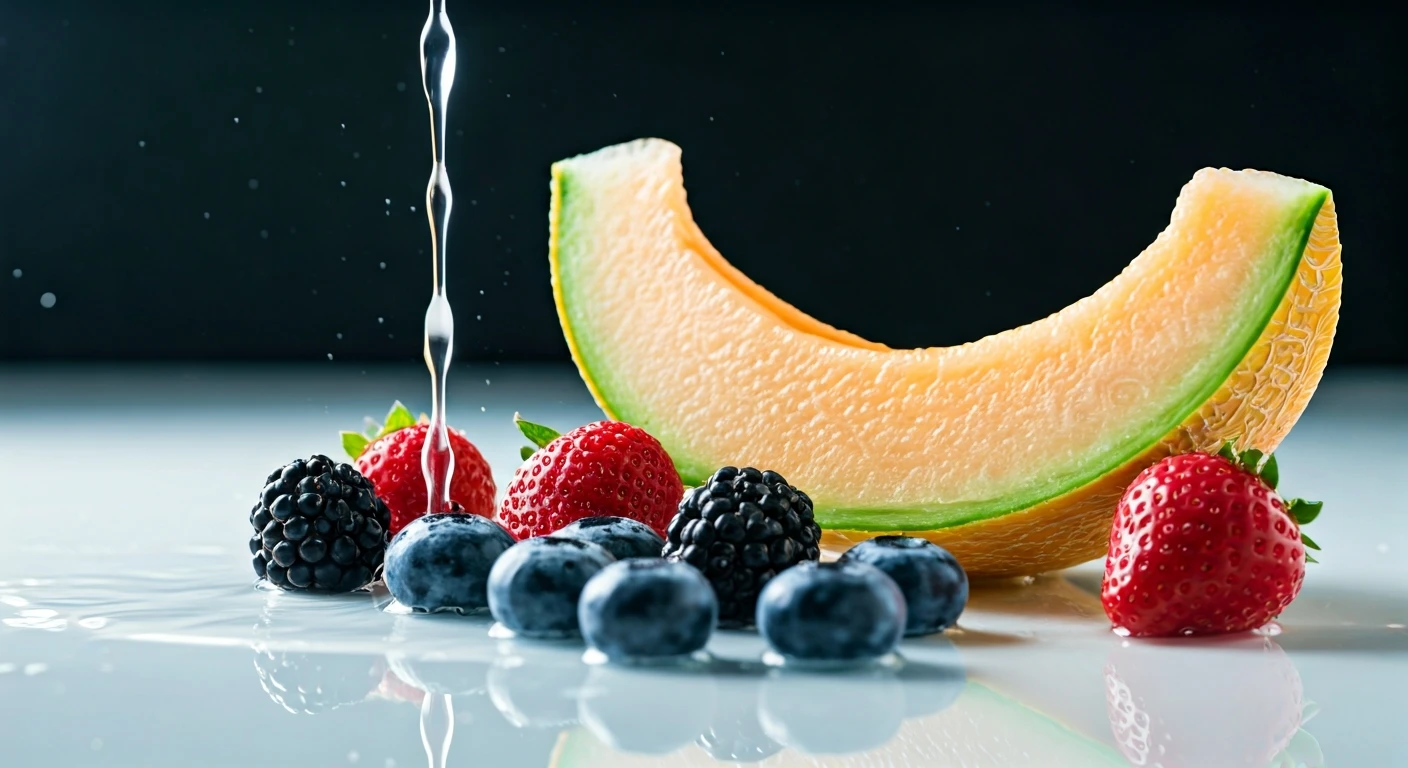
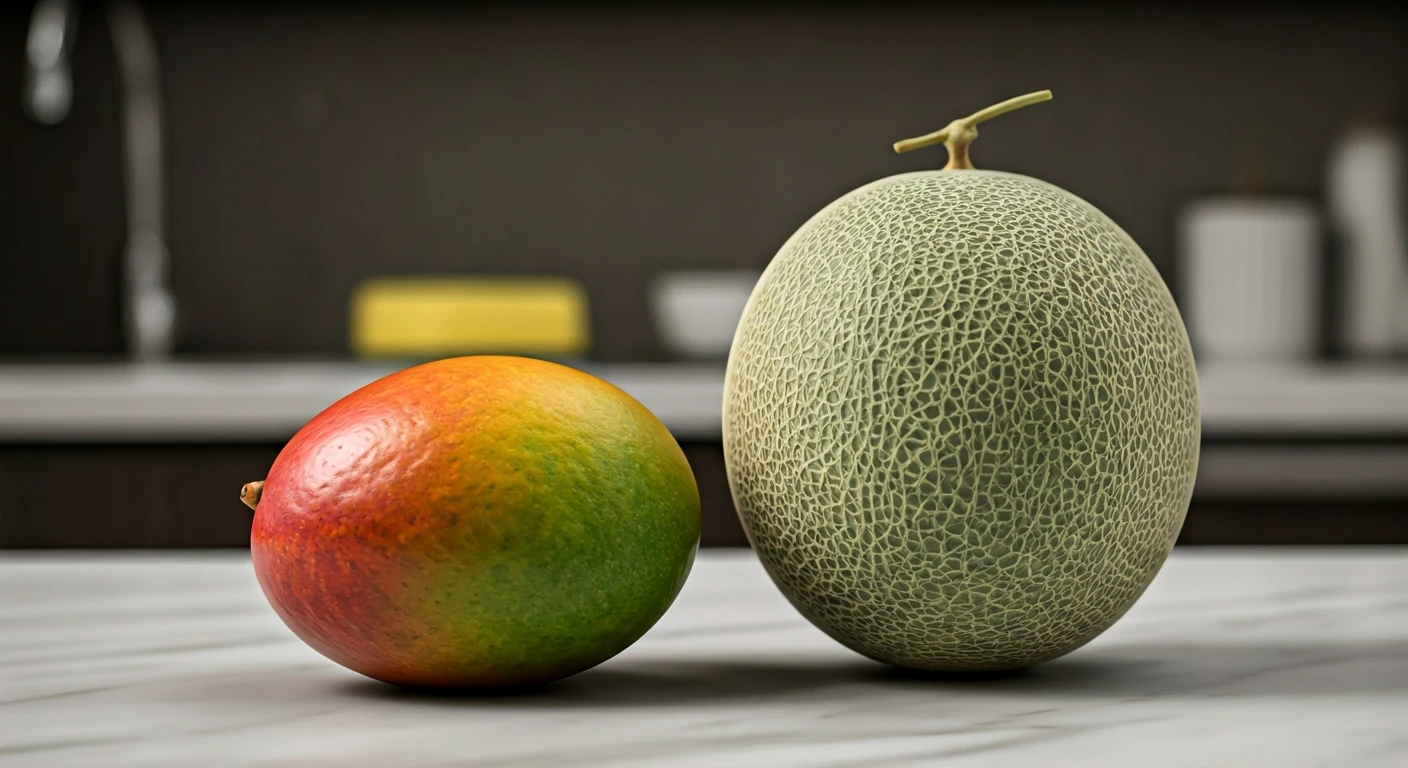
Your hygiene efforts shouldn't stop after the fruit is washed and stored. The moment you cut into a piece of fruit, you introduce new opportunities for contamination. Always use a clean cutting board and a clean knife. It's best practice to have separate cutting boards for produce and raw meat, but if you only have one, wash it with hot, soapy water after each use. A cantaloupe is a perfect example: its netted, rough skin can harbor bacteria like Listeria. If you cut into it with an unwashed knife, you drag those surface pathogens directly into the flesh you're about to eat. This is also why pre-cut fruit from the grocery store carries a slightly higher risk; it has been handled more and has more exposed surface area. When preparing fruit, handle it as little as possible and serve it promptly or refrigerate it immediately.
When in Doubt, Throw It Out
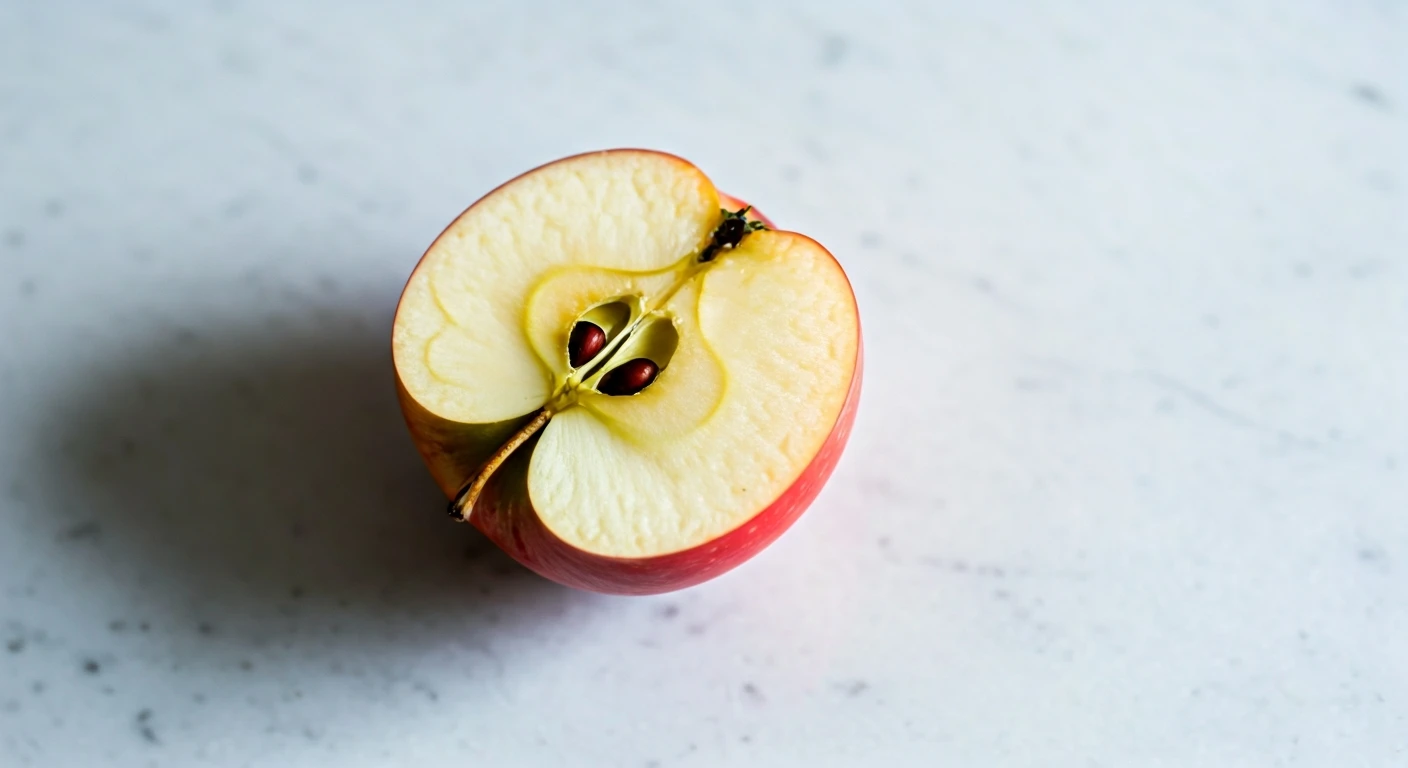
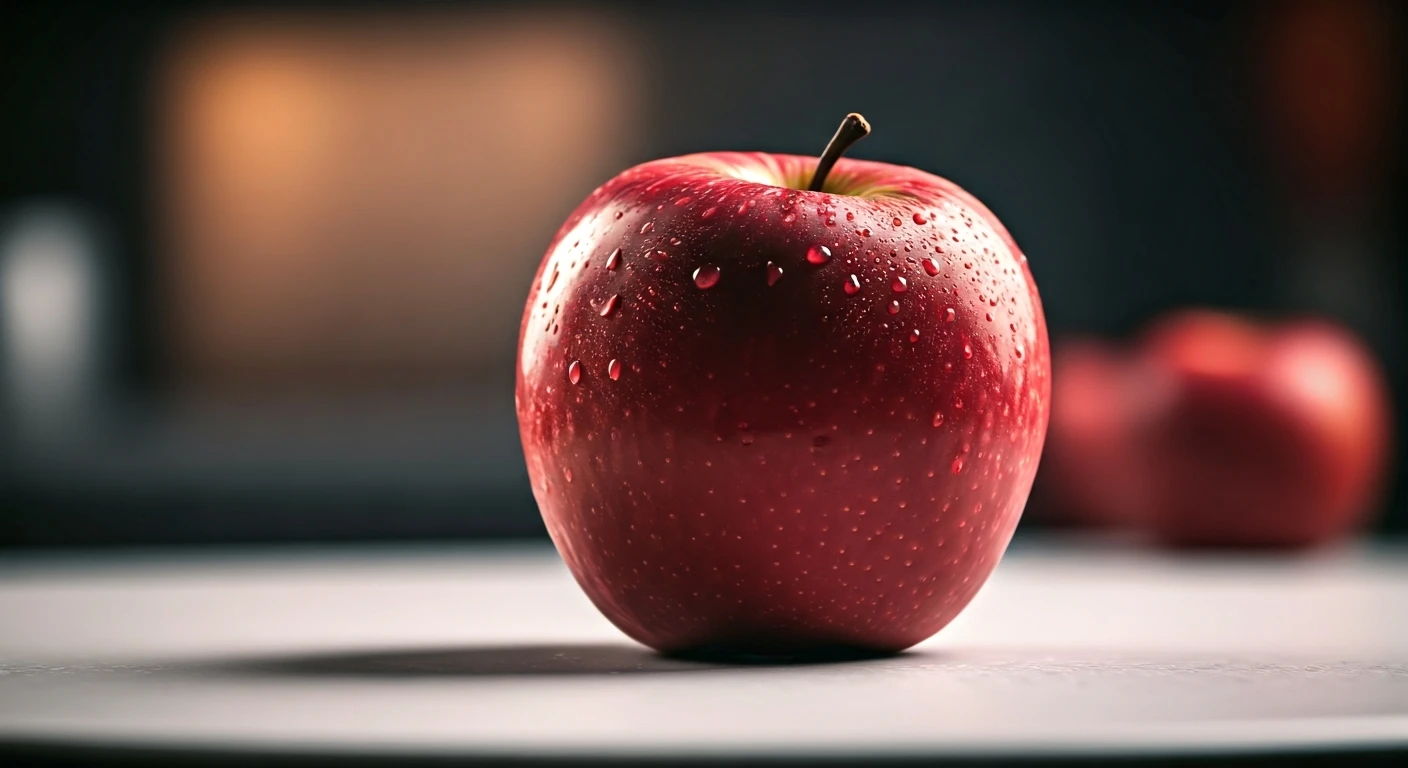
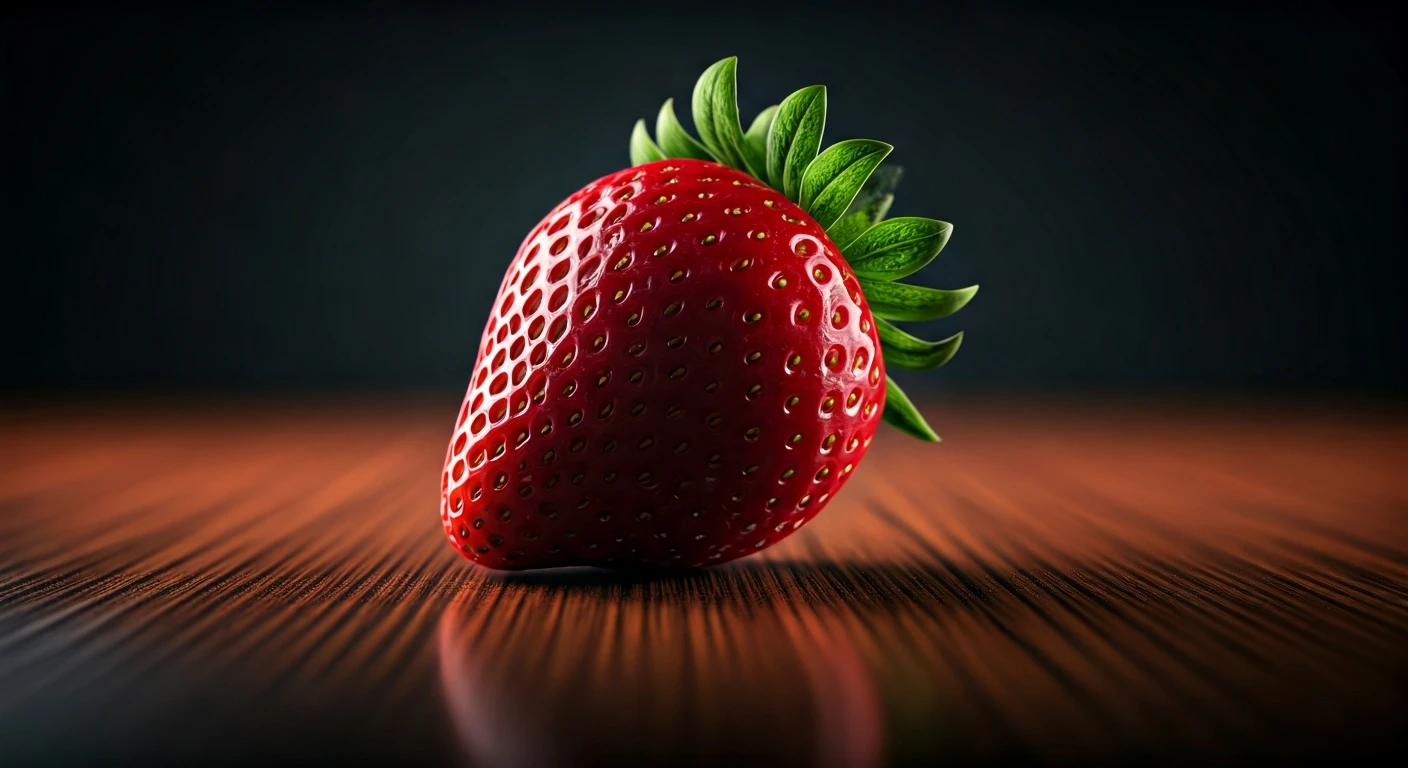
A key tenet of food safety is knowing when to give up. Regularly inspect your fruit for signs of spoilage. Look for mushy spots, wrinkling skin, and, of course, any visible mold. With soft, high-moisture fruits like peaches, strawberries, or tomatoes, mold can spread invisible roots deep into the flesh. In these cases, it is not safe to simply cut off the moldy part; the entire piece of fruit should be discarded. For hard, low-moisture fruits like an apple, you can sometimes get away with cutting out a small spot of mold, ensuring you cut a wide margin (at least one inch) around it. Pay attention to bruised areas as well. Bruises are damaged tissue, which is more vulnerable to bacterial growth. A small, firm bruise might be fine to trim away, but extensive or soft bruising is a red flag. Trust your eyes and your nose. If fruit smells fermented, alcoholic, or just 'off,' it's better to be safe than sorry.