





The Allure of the Storm
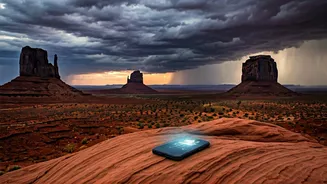
From the misty hollows of the Appalachian Mountains to the dramatic monsoons of the desert Southwest, rain can create breathtaking scenes. Photographers, hikers, and road-trippers are often drawn to the ethereal light, saturated colors, and profound sense
of peace that follows a storm. This growing travel trend, sometimes called “pluviotourism,” embraces destinations during their wet seasons. The appeal is understandable: fewer crowds, lush landscapes, and a different perspective on popular places. However, the same conditions that create this beauty also create significant, often underestimated, dangers.
Know the Local Dangers
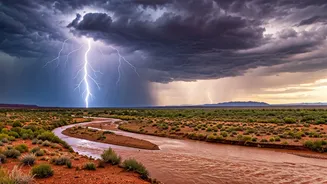
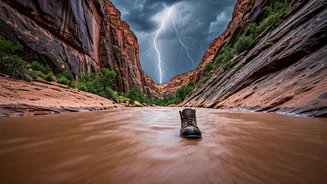
Not all rain is created equal, and its impact varies wildly by terrain. Before you set out, you must understand the specific risks of your destination. In mountainous areas like the Pacific Northwest or Colorado, heavy rain can trigger mudslides and rockfalls, instantly making trails and roads impassable. Coastal regions in Florida or the Carolinas face threats from storm surges and rapid flooding during intense rain events, even if they aren't full-blown hurricanes. Most critically, in the arid landscapes of Utah, Arizona, and California, even a distant storm can send a deadly wall of water surging through canyons and dry riverbeds with little to no warning.
The Deceptive Threat of Flash Floods
Flash floods are one of the most lethal weather-related dangers in the United States. According to the National Weather Service, it takes only six inches of fast-moving water to knock over an adult and just twelve inches to carry away a small car. The most dangerous aspect is that the threat isn't always visible. A storm dozens of miles away can funnel water into the slot canyon or wash you’re exploring, which might be under perfectly sunny skies. The phrase “Turn Around, Don't Drown” is not just a slogan; it's a critical rule. Never drive through flooded roadways, and if you're hiking in a canyon or low-lying area, know your escape routes to higher ground and be prepared to use them instantly.
Mastering the Road in a Downpour
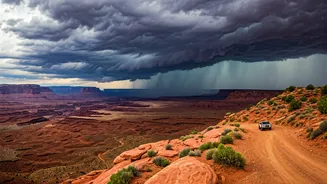
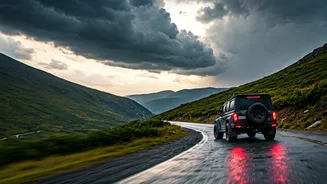
For many, chasing rain views means a road trip. Driving in heavy rain presents its own set of challenges. The primary danger is hydroplaning, where your tires lose contact with the road surface and ride on a thin layer of water, causing a complete loss of steering and braking control. To avoid this, slow down significantly, avoid sudden turns or braking, and drive in the tracks of the vehicle ahead of you. Heavy rain also drastically reduces visibility. Use your low-beam headlights to make yourself more visible to others, and if the downpour becomes a white-out, the safest action is to pull over as far as possible, turn on your hazard lights, and wait for conditions to improve.
Heed Official Warnings
Your smartphone is your most powerful safety tool. Before and during your trip, monitor weather conditions using a reliable app or the National Weather Service (weather.gov). Enable Wireless Emergency Alerts (WEA) on your phone, which will push notifications for severe threats like Flash Flood Warnings or Tornado Warnings directly to your device, even if you don't have cell service in some cases. Don't rely on simply looking at the sky. These alerts are issued by experts with access to radar and ground reports and provide your best chance of getting advance notice of a life-threatening situation. Heeding an alert to seek higher ground or stay off the roads is not an overreaction; it’s a wise decision.