



1. Longevity Overlooks Looks
The next wave of wellness is less about achieving a six-pack for a beach vacation and more about adding a healthy decade to your life. The focus is shifting from aesthetics to 'healthspan'—the number of years you live in good health, free from chronic
disease. This means a move away from extreme diets and punishing workouts toward sustainable practices grounded in longevity science. Think less about biohacking for a short-term energy jolt and more about understanding your personal metabolic health. Continuous glucose monitors (CGMs), once reserved for diabetics, are becoming a tool for the masses to see how food, stress, and sleep directly impact their blood sugar. The goal isn't just to look good; it's to feel good and function well at 85.
2. Emotional Fitness Gets Technical
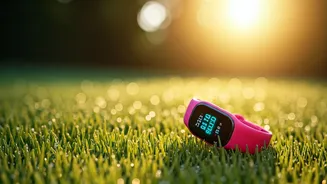
For the longest time, mental wellness meant either therapy or a simple meditation app. The mature version is far more nuanced and proactive, framed as 'emotional fitness.' It's the practice of building resilience and regulating your nervous system before you hit a crisis point. This space is seeing a surge in technology designed to provide real-time biofeedback. Wearables are moving beyond tracking steps and sleep to monitoring things like heart rate variability (HRV), a key indicator of your stress levels and recovery status. New apps and devices are emerging that use sound, vibration, or guided breathing to help you actively shift from a stressed 'fight-or-flight' state to a calm 'rest-and-digest' one. It’s about training your emotional responses, much like you’d train a muscle at the gym.
3. Recovery Is the New Status Symbol
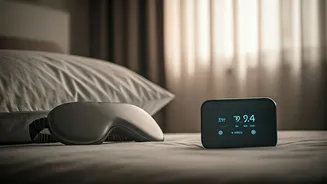
The era of 'no days off' and celebrating exhaustion as a badge of honor is officially ending. The mature wellness consumer understands that growth and adaptation happen during rest, not during the workout itself. As a result, recovery has become the new pillar of a serious fitness routine. This goes way beyond a foam roller. We're talking about a deliberate, data-driven approach to restoration. Sleep tracking is getting more sophisticated, with devices offering detailed breakdowns of your sleep cycles and providing personalized advice for improvement. Tools like infrared saunas, cold plunges, and compression therapy are moving from niche athlete toys to mainstream staples, seen as essential investments in long-term performance and health. It’s no longer about how hard you can grind; it’s about how intelligently you can recover.
4. Social Health Becomes a Prescription
Perhaps the most significant sign of maturity in wellness is the growing recognition that our health is deeply connected to the quality of our relationships. The U.S. Surgeon General has declared loneliness a public health epidemic, and the wellness world is finally catching up. This isn't about simply having a lot of friends on social media; it’s about cultivating deep, meaningful connections. 'Social wellness' is being framed as a non-negotiable health input, as vital as diet and exercise. We’re seeing a rise in community-based wellness experiences, from group fitness that emphasizes connection over competition to workshops and retreats focused on building communication skills. The mature view is that you can’t meditate your way out of a life devoid of genuine human connection. Your community is part of your health routine.