



Start a Compost System
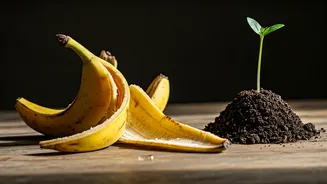
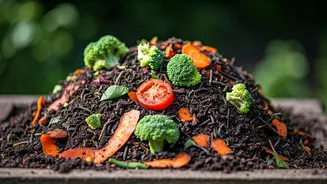
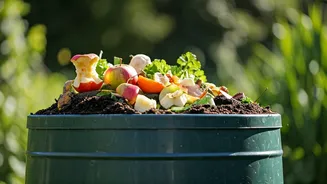
Composting is the undisputed champion of repurposing kitchen waste. It transforms scraps into a nutrient-rich soil amendment that gardeners call "black gold." Don't have a big backyard? No problem. There's a composting solution for almost any living situation.
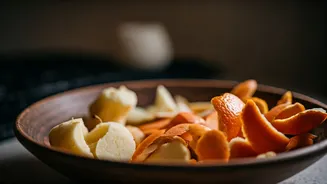
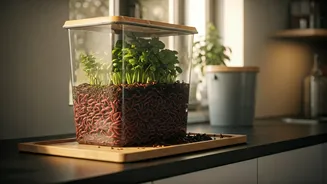
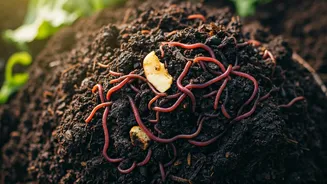
For homeowners, a simple backyard tumbler or pile is an easy start. Apartment dwellers can opt for a compact worm bin (vermicomposting), which is odorless and can be kept on a balcony or in a closet. Many cities also offer curbside compost pickup or community drop-off sites, allowing you to divert waste without managing a bin yourself. Start by collecting fruit and vegetable peels, eggshells, and coffee grounds in a countertop pail. Avoid meat, dairy, and oily foods, as they can attract pests and create odors in a home system.
Brew a Flavorful Stock
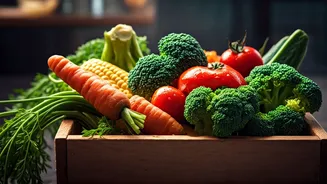
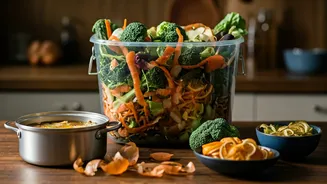
Stop buying boxed broth. You can create a more flavorful, sodium-controlled, and virtually free alternative using scraps you'd otherwise toss. Keep a large freezer bag or container labeled "Stock Scraps." Throughout the week, add the clean peels and ends of onions, carrots, and celery; mushroom stems; herb stems (like parsley and cilantro); and leek tops. If you eat meat, add leftover chicken carcasses or beef bones. Once the bag is full, simply empty the contents into a large pot, cover with water, add a bay leaf or some peppercorns, and simmer for several hours. Strain the liquid, and you'll have a delicious, homemade stock ready for soups, stews, and sauces. The spent solids can then be composted.
Regrow Your Groceries
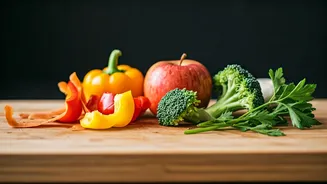
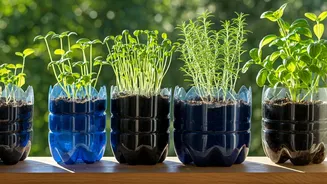
Turn your kitchen windowsill into a miniature farm. Many common vegetables can be easily regrown in a glass of water. The classic example is green onions (scallions). Simply place the white root ends in a shallow glass of water, and they’ll sprout new green shoots in a matter of days. You can do the same with the base of a head of romaine lettuce, celery, leeks, and bok choy. While they may not regrow into a full-sized plant, they will produce enough fresh leaves for a salad or garnish. It’s a fun project for kids and a great way to get a little extra life out of your produce before the scraps hit the compost bin.
Create Brand-New Ingredients
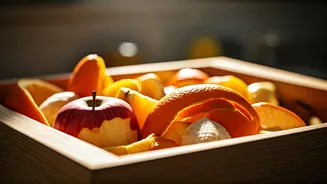
Get creative and turn waste into a culinary asset. Stale bread that’s too hard for sandwiches can become homemade croutons, breadcrumbs, or the base for a delicious panzanella salad. Potato peels, when washed, tossed in oil and spices, and baked until crisp, make a fantastic snack. Don't throw out your Parmesan rinds; toss them into a simmering pot of soup or tomato sauce to infuse it with a deep, savory flavor (just remove the rind before serving). Citrus peels can be candied, used to make a simple all-purpose cleaner by infusing them in vinegar, or zested and frozen for future baking projects. Even wilted herbs can be salvaged by chopping them finely and mixing them with olive oil in an ice cube tray for perfect single-serving flavor bombs.
Feed Your Garden Directly
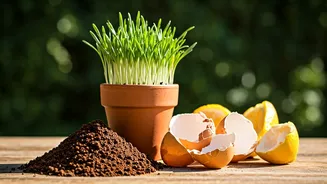
Some scraps can bypass the compost bin and go straight to helping your garden. Crushed eggshells, for example, add calcium to the soil, which can help prevent blossom-end rot in plants like tomatoes and peppers. They can also create a gritty barrier that deters soft-bodied pests like slugs and snails. Coffee grounds are another favorite. They add nitrogen to the soil and are particularly loved by acid-loving plants like blueberries, hydrangeas, and azaleas. Just sprinkle them lightly around the base of the plants. This direct application gives your plants a quick boost and keeps these valuable materials out of the landfill.