



The Other Mango
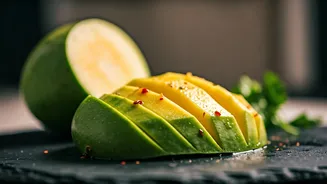
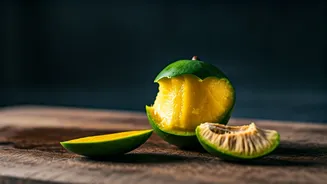
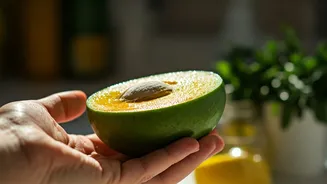
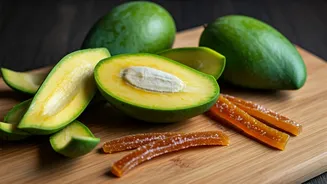
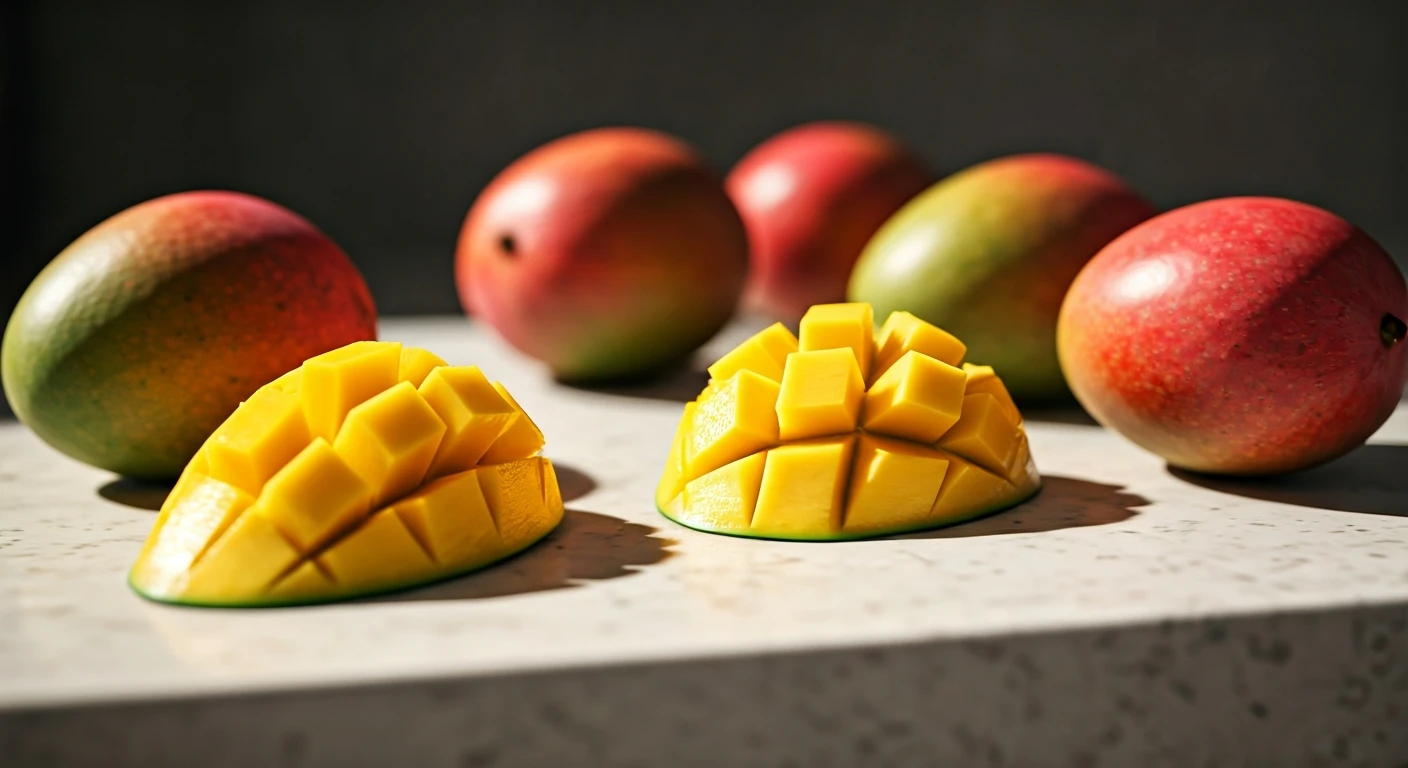
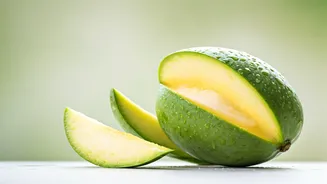
When Americans think of mangoes, they picture a sunset-hued fruit, soft and intensely sweet, the very essence of tropical dessert. But that’s only half the story. The raw mango—also known as a green mango—is the same fruit, just picked long before it ripens.
Instead of soft and sugary, it’s firm, crisp, and bracingly tart. Its flavor is a lightning bolt of clean, green acidity, with subtle notes of pine and citrus, and a texture closer to a crisp apple or jicama. While a ripe mango comforts, a raw mango awakens. It’s not a fruit you’d eat on its own for a sweet snack; it’s a powerful culinary ingredient, a tool for building flavor and texture in savory dishes.
A Global Staple Hits the Mainstream
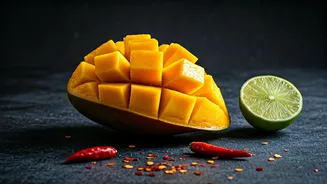
Using raw mango isn’t a new invention—far from it. It’s a beloved staple in cuisines across the globe. In India, it's the star of countless pickles (achar) and tangy chutneys. Throughout Southeast Asia, you’ll find it shredded into fiery salads, like Thailand's *som tum mamuang*. In Mexico and other parts of Latin America, it's sliced, sprinkled with chili powder, salt, and lime juice, and sold as a popular street-side snack. For hundreds of millions of people, the sour, crunchy appeal of unripe mango is a fundamental taste of home. What’s new is its migration from these traditional contexts into the broader landscape of modern American restaurants. Chefs are now tapping into this global pantry staple, recognizing it as a way to introduce complexity and surprise to their dishes.
Why It's a 'Flex'
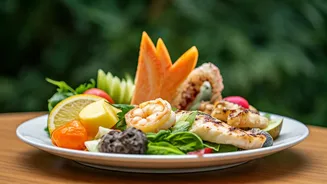
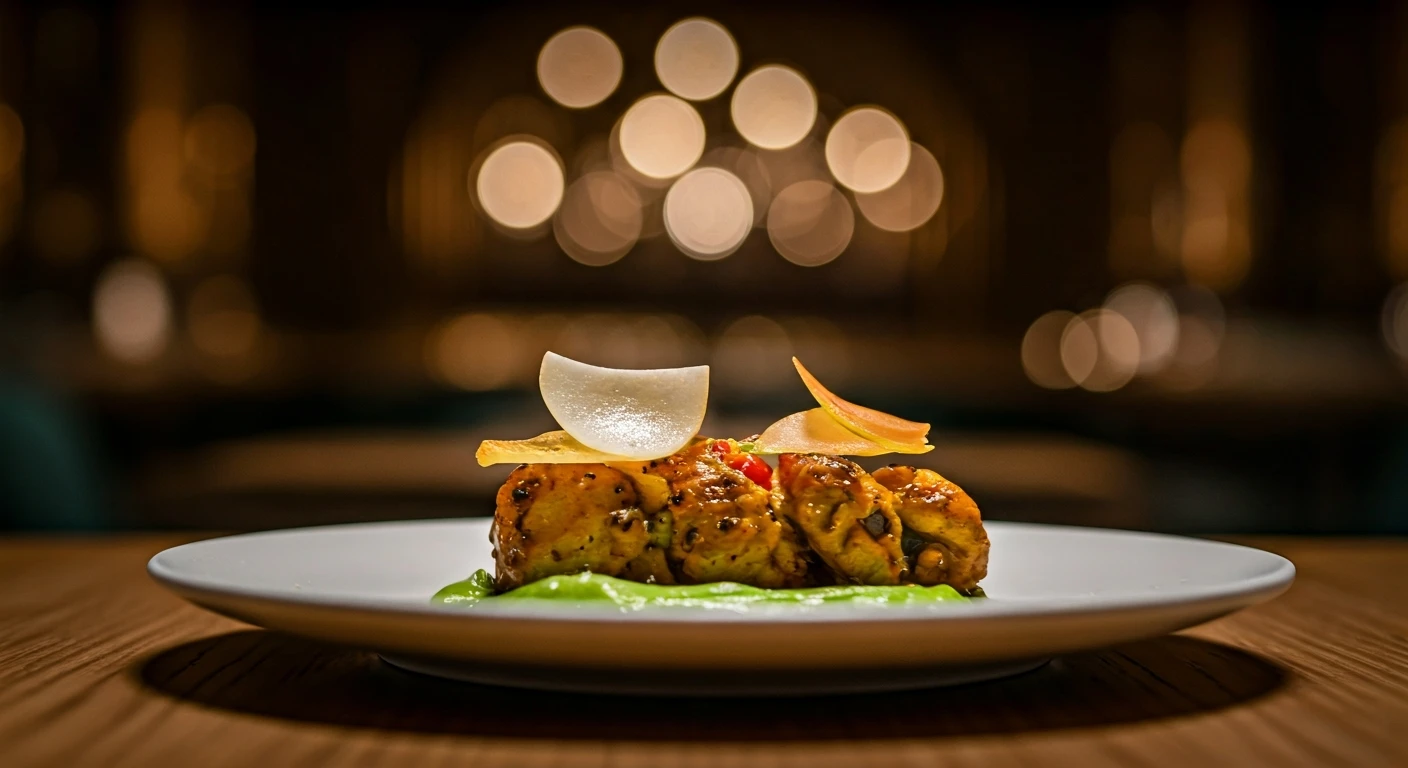
So, why is this a “flex”? Because using raw mango signals a deeper level of culinary understanding. In a world where lemon and lime are the default sources of acid, reaching for raw mango shows sophistication. It demonstrates a knowledge of global flavors and an appreciation for balancing a dish with more than just a simple squeeze of citrus. Acidity is a chef's secret weapon; it cuts through richness, brightens flavors, and prevents a dish from feeling heavy or one-note. Raw mango delivers that acidity along with a satisfying crunch that vinegar or citrus juice can’t. Imagine it shaved thinly over a rich piece of grilled pork belly, julienned into a fresh ceviche to counter the sweetness of the fish, or pickled and tucked into a taco to provide a sharp, crunchy contrast. It’s a move that says, “I’m thinking about texture and balance on a whole other level.”
How to Spot It (and Try It)
Keep an eye out for it on menus that lean into bright, bold flavors. You'll likely see it at modern seafood spots, contemporary pan-Asian restaurants, and even upscale taquerias. It might be listed as “green mango,” “raw mango,” or even by a regional name like *kachcha aam*. If you’re feeling adventurous, you can find raw mangoes at most Asian or Latin American grocery stores. The simplest way to try it at home is the way it’s enjoyed on streets around the world: slice it thin, and toss it with a pinch of salt, a dash of chili powder (like Tajín), and a squeeze of lime. It’s a snack that will recalibrate your palate and instantly show you why this ingredient is having its well-deserved moment in the sun.