








The New Travel Calculus
For decades, the standard travel equation was simple: find a destination with perfect weather and book it. But a fundamental shift is underway. In a post-pandemic travel landscape marked by high prices and 'revenge travel' crowds, savvy Americans are
rewriting the rules. Instead of letting the forecast dictate their plans, they are choosing their dream destination first and figuring out the timing second. This destination-first mindset means they are increasingly willing to travel during the so-called “rainy season” or “off-season” to make a coveted trip happen. Travel advisors report that clients who were once fixated on guaranteed sunshine are now asking, “When is the cheapest and least crowded time to go to Italy?” or “Can we still do Costa Rica in July?” The answer, they’re discovering, is a resounding yes.
What 'Rainy Season' Really Means
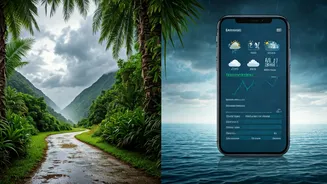
The term “rainy season” often conjures images of week-long, trip-ruining downpours. The reality in most popular tropical destinations is far more manageable and often quite pleasant. In places like Thailand, Costa Rica, or the Caribbean, the rainy season (or “green season,” as it’s often rebranded) typically means bright, sunny mornings followed by a predictable, intense, but short-lived afternoon shower. These bursts of rain last for an hour or two, clearing the air, dropping the humidity, and leaving behind a world that seems freshly washed and intensely vibrant. The landscapes are at their most lush and green, waterfalls are at their most powerful, and the dramatic, cloud-filled skies make for spectacular sunsets. Instead of a constant deluge, you get a daily rhythm you can plan around—perfect for a morning hike, a long lunch, and an afternoon siesta or spa treatment while the rain passes.
The Perks Beyond the Price Tag
The most obvious benefit of off-season travel is financial. Flights and accommodations can be 20-50% cheaper than during peak season, stretching your travel budget further. But the advantages go far beyond the bottom line. The biggest luxury in modern travel is often space, and the rainy season delivers it in spades. Imagine visiting world-famous ruins without an impenetrable wall of selfie sticks, getting a table at that legendary restaurant without a reservation made months in advance, or having a stretch of pristine beach nearly to yourself. Fewer tourists often lead to more authentic interactions with locals, who are often more relaxed and less overwhelmed than during the high-season rush. This slower pace allows for a deeper, more meaningful connection with the place you came so far to see.
How to Plan Your Off-Season Adventure
A successful rainy-season trip isn't about ignoring the weather; it's about planning for it. First, pack smart. Lightweight, quick-drying clothing is your best friend. Bring a reliable rain jacket, waterproof shoes or sturdy sandals, and extra socks. A waterproof bag or cover for your electronics is also a wise investment. Second, build flexibility into your itinerary. Schedule outdoor activities for the morning and keep afternoons open for indoor pursuits like cooking classes, museum visits, or massages. When booking tours, especially boat or hiking trips, check the cancellation policy in case weather forces a change of plans. Finally, adjust your mindset. Embrace the rhythm of the rain. See it not as an inconvenience, but as part of the destination’s authentic character. That afternoon shower is the perfect, guilt-free excuse to read a book, take a nap, or enjoy a cocktail while watching the storm roll in.