


Why Humidity Changes the Game
For much of the year, pet owners in arid states deal with dry heat and dust. But the monsoon season flips the script, introducing intense humidity that can wreak havoc on a pet’s skin and coat. When a dense fur coat, especially a double coat, gets damp
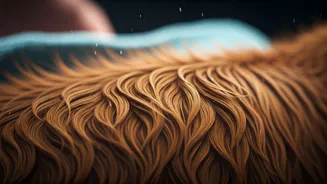
and stays damp, it creates a warm, moist environment right against the skin. This is a perfect breeding ground for bacteria and yeast, leading to painful “hot spots” (acute moist dermatitis), fungal infections, and a generally uncomfortable, itchy animal. A coat that is matted or full of shed fur will hold this moisture even longer, exacerbating the problem. Smarter grooming isn’t just about looking good; it’s about managing this new, humid microclimate on your pet’s body.
The Pre-Season Brush-Out
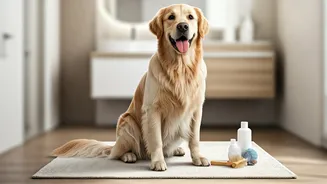
The single most effective step you can take before the first rains arrive is a thorough de-shedding and brushing. Removing the dead, loose undercoat does two critical things. First, it thins the coat, allowing for better air circulation to the skin, which helps it dry faster after getting wet. Second, it prevents the shed fur from mixing with moisture and dirt to form dense, painful mats. Mats pull on the skin and trap even more moisture and debris, making them a primary cause of skin infections. For dogs with thick undercoats like Huskies, German Shepherds, or Golden Retrievers, using an undercoat rake or de-shedding tool is essential. Even for short-haired pets, a good brushing stimulates the skin and removes dander and dirt, setting them up for a healthier season.
Rethinking Baths and Shaving
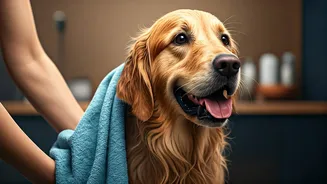
It can be tempting to give your dog a buzz cut to “keep them cool,” but for most breeds, this is a mistake. Double-coated dogs rely on their two layers of fur for insulation from both heat and cold, as well as protection from sunburn and insect bites. Shaving them removes this natural defense system. Instead of shaving, focus on a clean and completely dry coat. You may need to bathe your pet more often to deal with mud, but it’s crucial to use a gentle, high-quality pet shampoo that won’t strip their skin of natural oils. The most important part of the bathing process during monsoon season is drying. Towel-dry thoroughly, then use a high-velocity pet dryer (on a cool setting) if possible, paying special attention to the chest, armpits, and groin. Never leave your pet’s coat damp.
Paws and Ears: The Front Lines
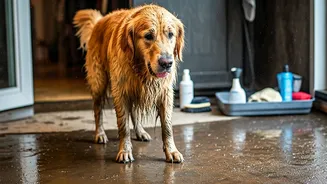
Your pet’s paws and ears are on the front lines of the battle against monsoon moisture. Paws will be constantly exposed to mud, puddles, and wet pavement. Make it a habit to wipe and dry their paws every single time they come inside. Pay close attention to the area between their paw pads, where moisture can get trapped and lead to yeast infections or irritation. Keeping the fur around the paws trimmed neat can also help reduce the amount of mud they track in and make cleaning easier. Ears, especially on floppy-eared breeds, are also a major concern. The enclosed, warm ear canal can easily trap moisture, leading to painful ear infections. Check their ears regularly for redness, odor, or discharge, and use a vet-approved ear cleaning solution as a preventative measure if your pet is prone to issues.
A Shield Against Pests
Fleas, ticks, and mosquitoes love the warm, humid conditions of monsoon season. A well-groomed pet is an easier pet to protect. A clean, untangled coat makes it much simpler to spot ticks or other parasites that may have hitched a ride during a walk. Regular brushing becomes a daily wellness check, allowing you to catch any problems early. This is also the perfect time to ensure your pet’s flea and tick preventative is up to date. Discuss with your veterinarian which product is best suited for the specific pests in your area, as parasite activity can spike dramatically with the increase in moisture and standing water.