






The Grand Entrance of the Rains
For much of the year, the rolling hills of Coorg—a verdant district in India’s southern state of Karnataka—are bathed in pleasant sunshine. But come June, the landscape holds its breath, waiting for the arrival of the southwest monsoon. It’s a transformation
that feels less like a change in weather and more like the start of a feature film. The first rains don’t just fall; they arrive with dramatic flair, drenching the parched earth and releasing a heady, primal scent known as petrichor. The entire region, often called the “Scotland of India,” sheds its sun-bleached tones and slips into a vibrant, emerald-green costume that it wears for the next four months. The effect is instantaneous: the world softens, the pace slows, and a deep, calming quiet, punctuated only by the rhythm of the rain, descends upon the land.
A Landscape Draped in Mist
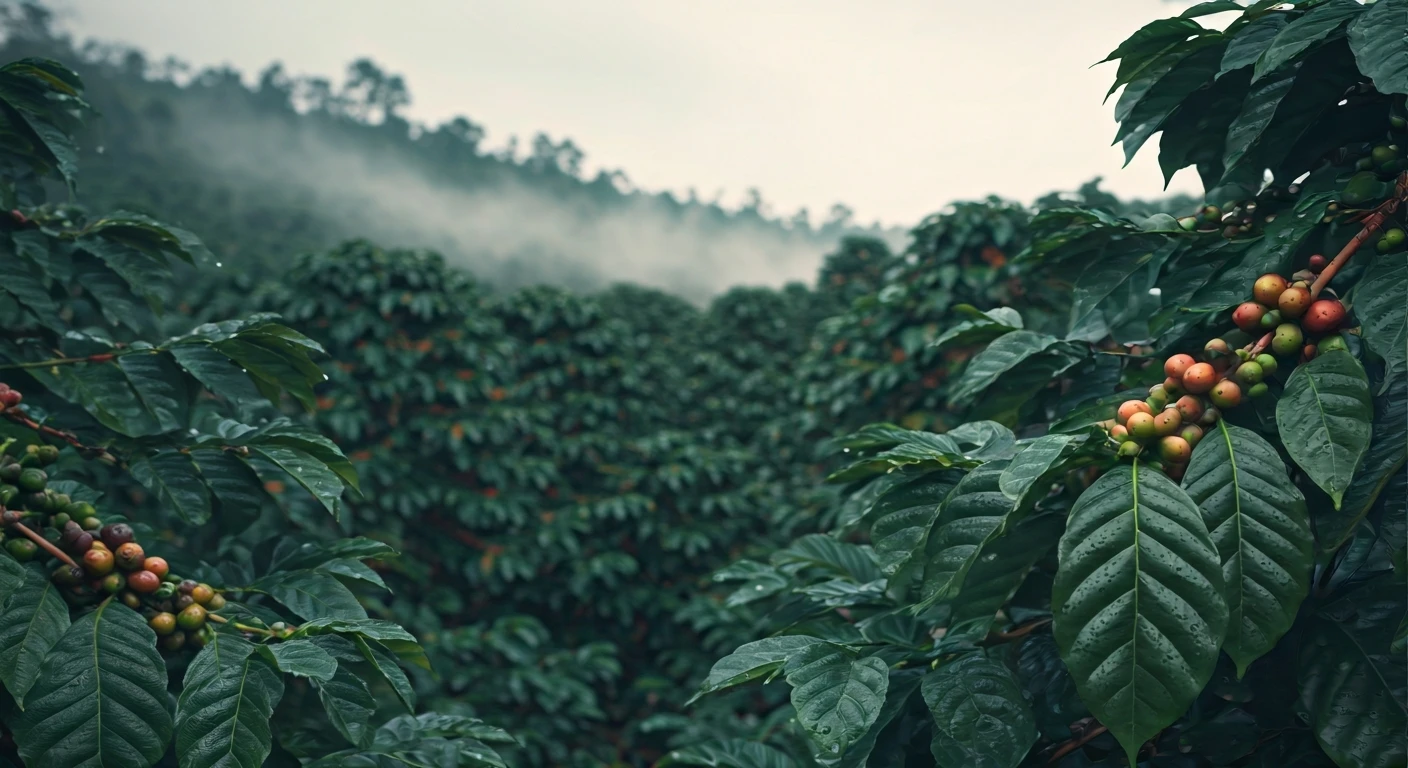
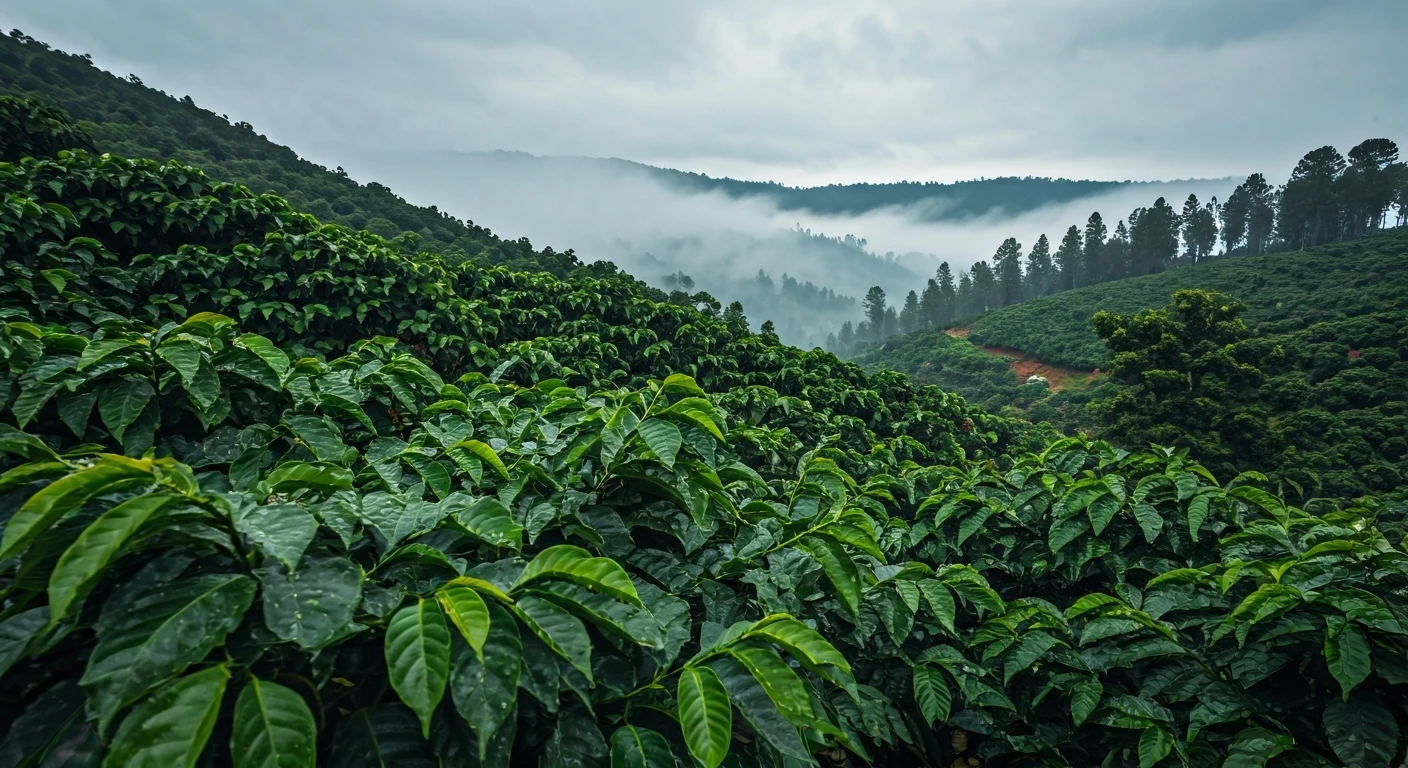
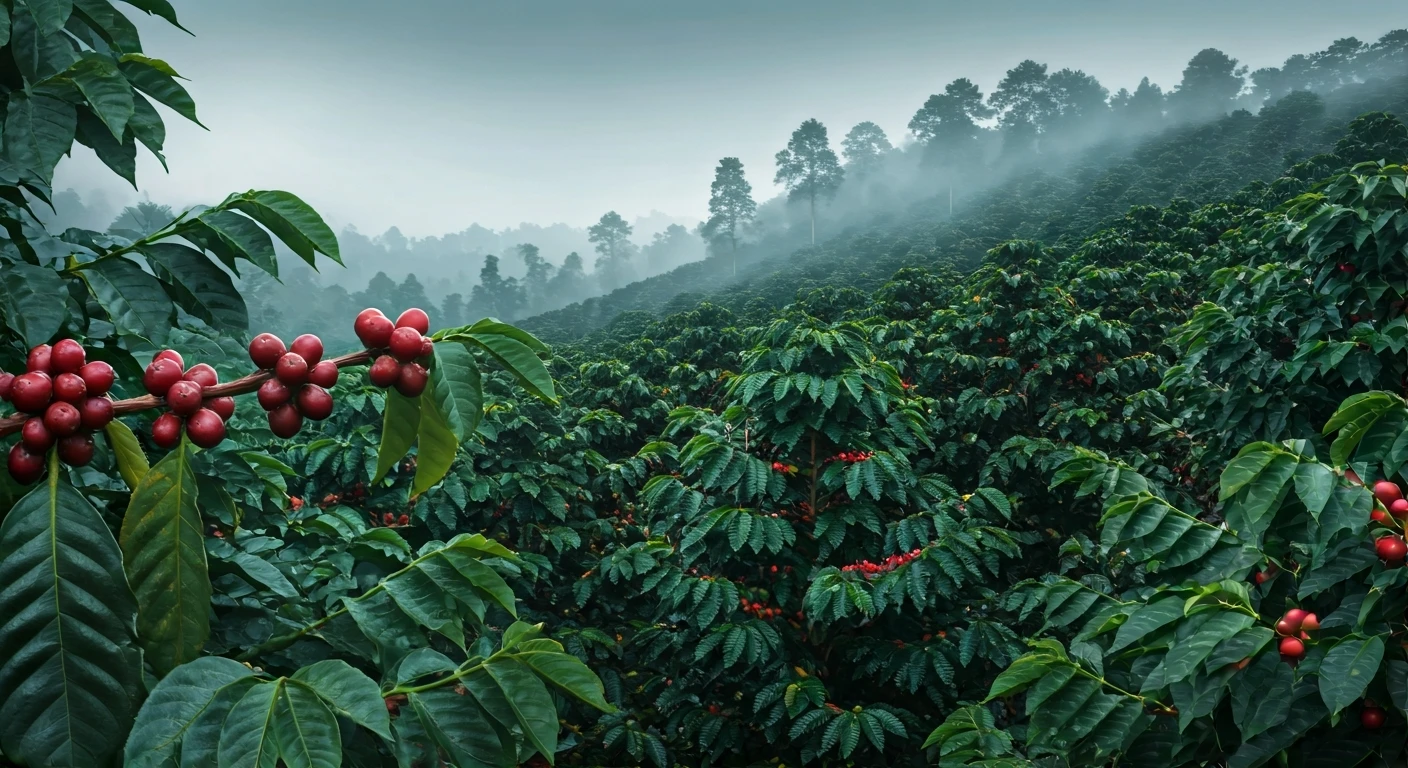
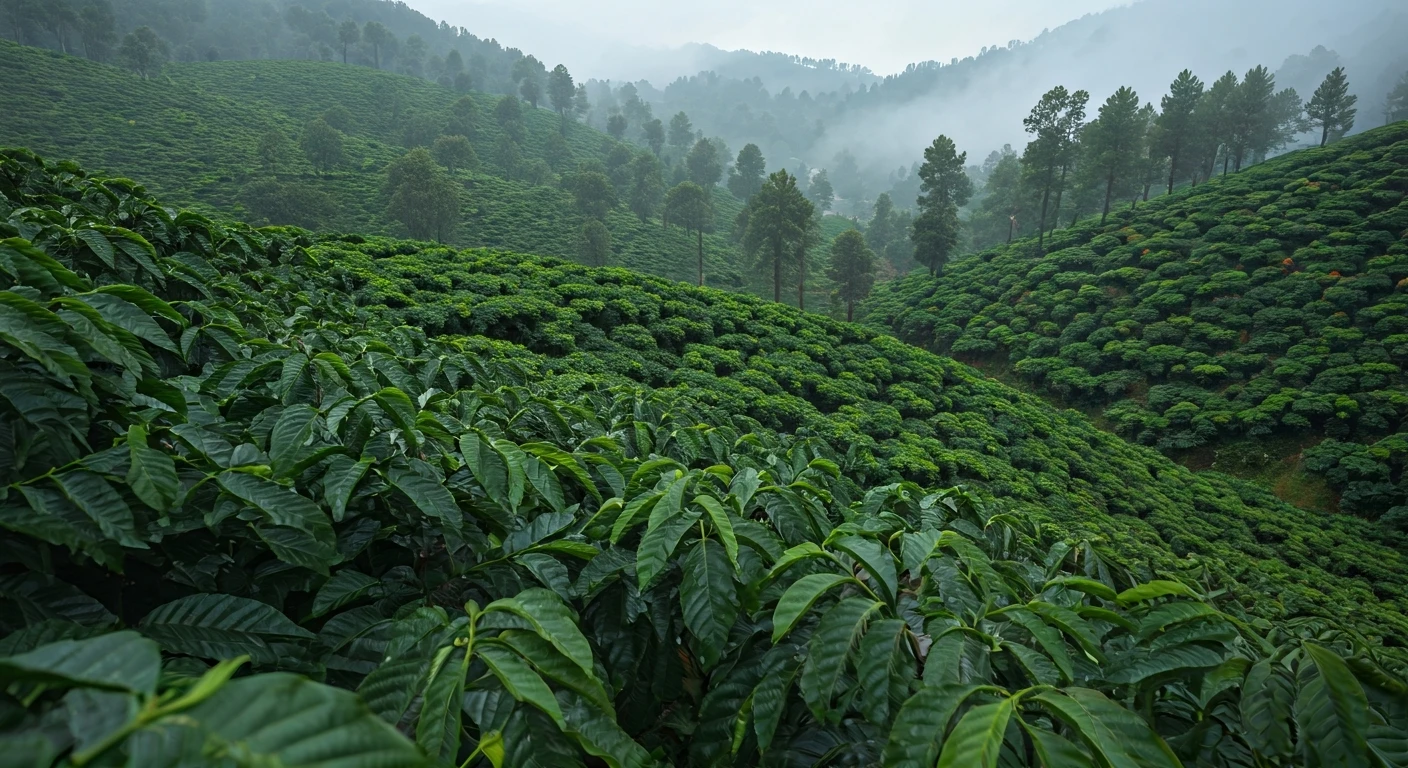
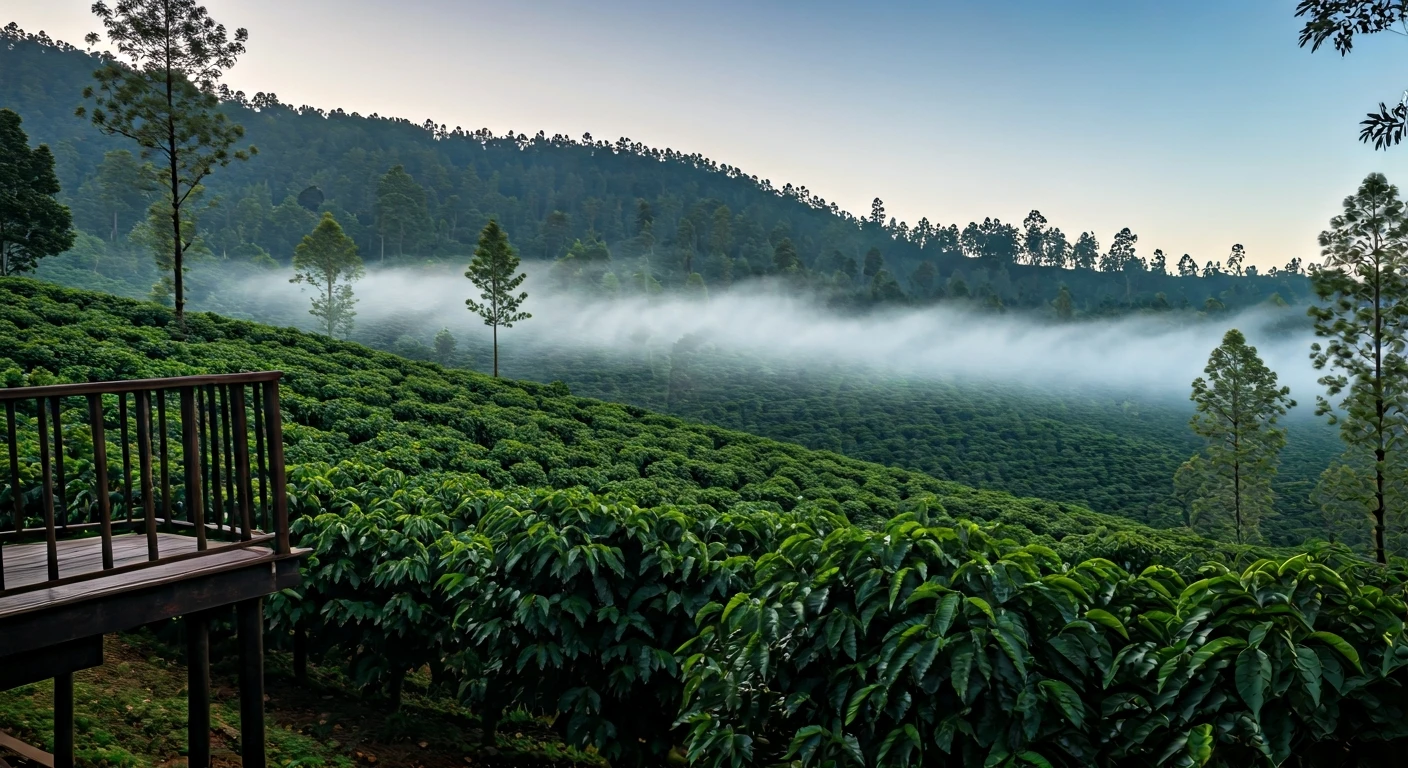
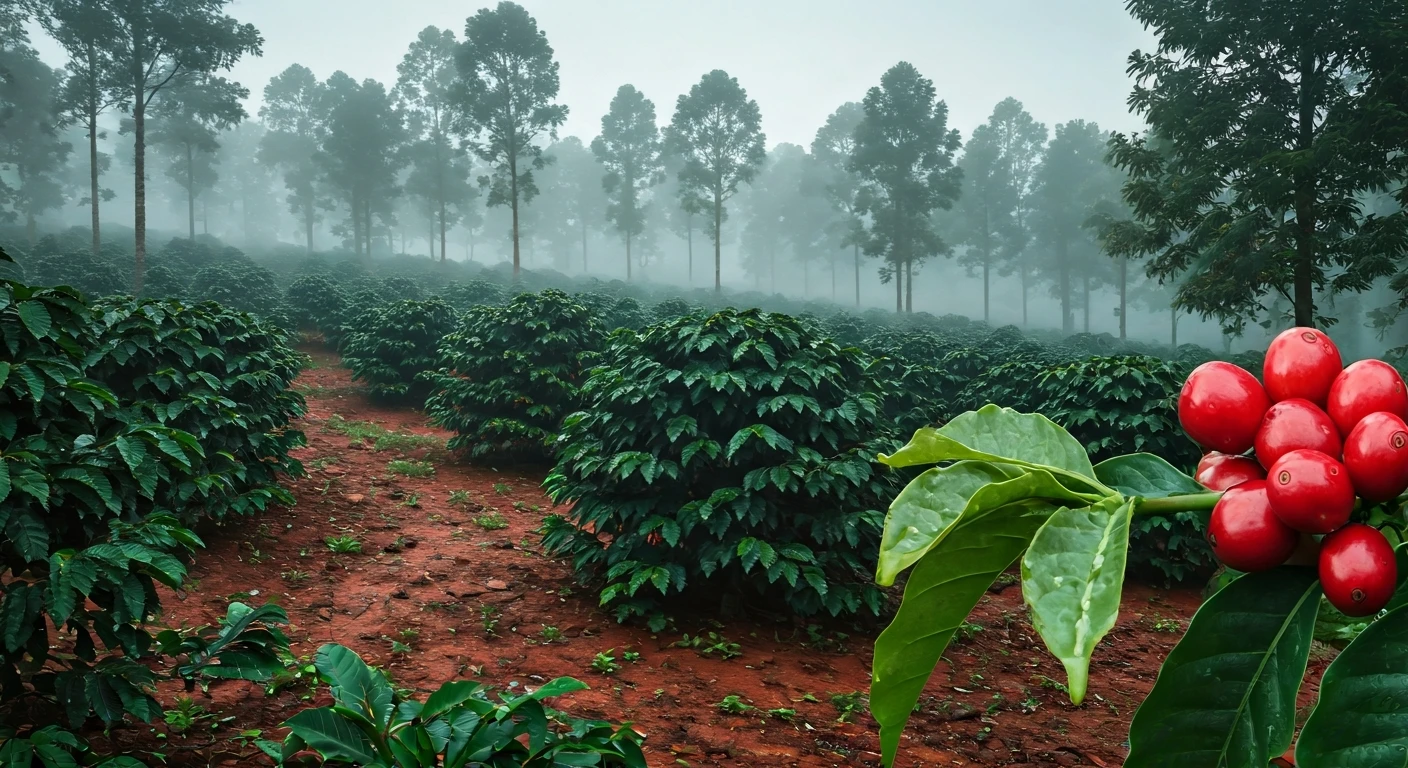
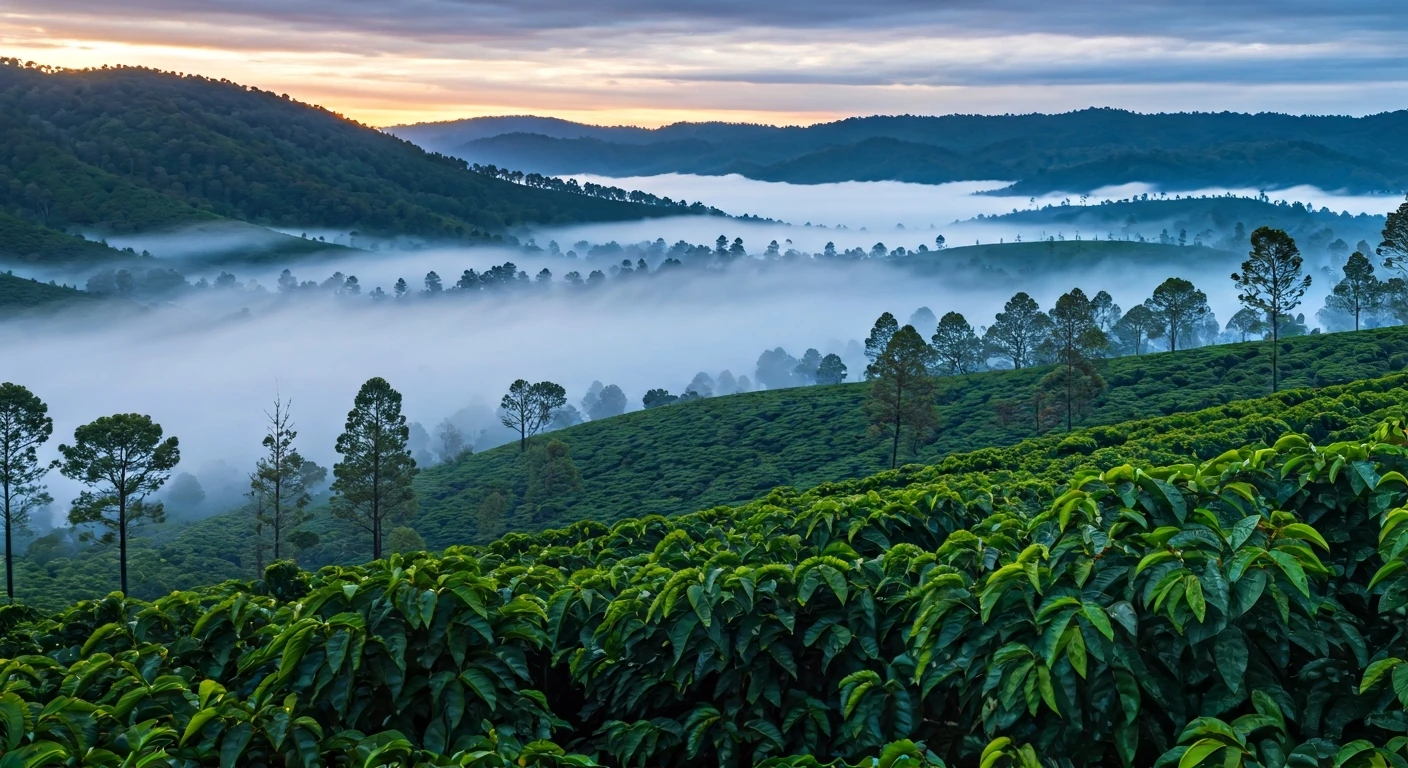
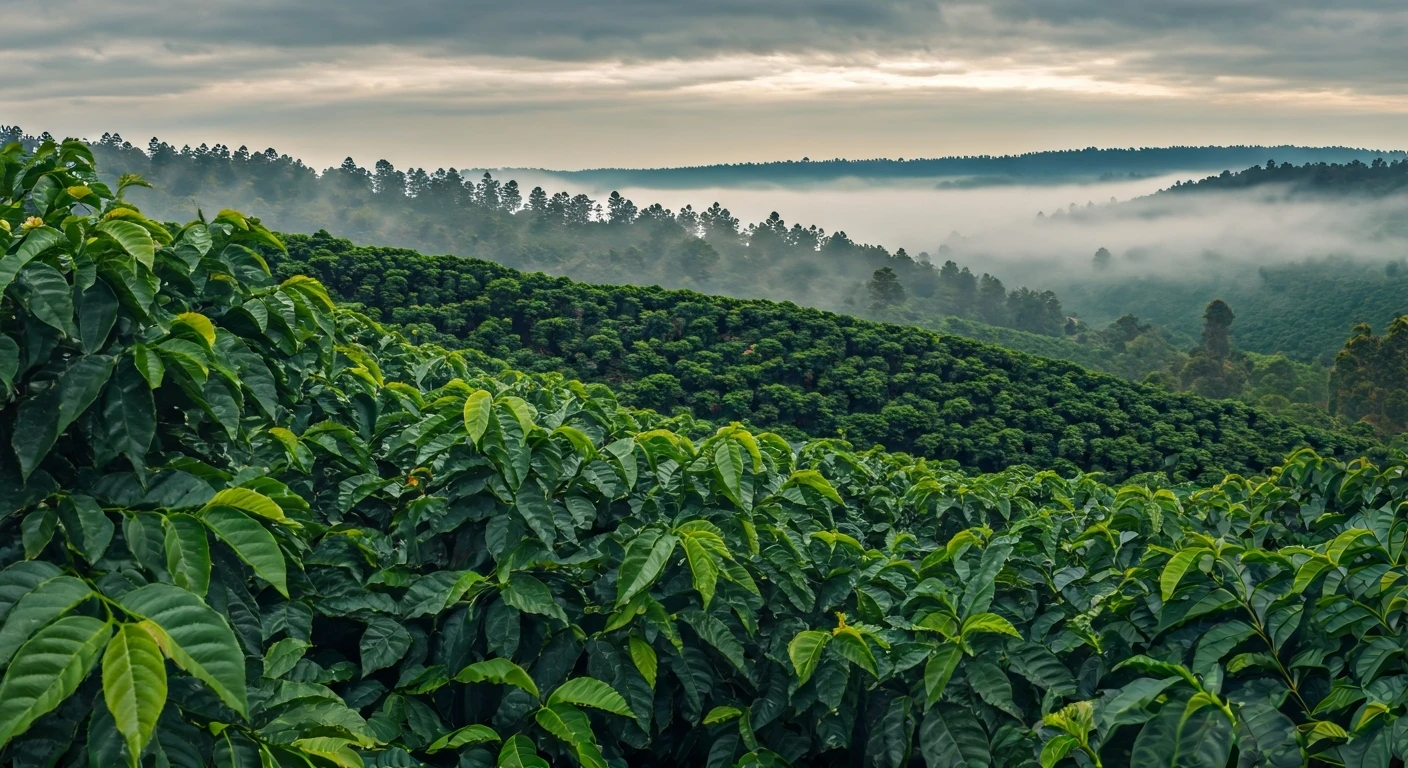
The “cinematic” part of the headline isn’t hyperbole. During the monsoon, Coorg becomes a visual masterpiece directed by nature. Morning views from a hillside veranda reveal a valley filled not with scenery, but with a thick, white blanket of mist. As the sun struggles to break through, the mist slowly pulls back like a theater curtain, revealing layer upon layer of deep green coffee plantations, shimmering silver oak trees, and winding country roads. Waterfalls, which are modest streams in the dry season, become roaring torrents of power and spray. Places like Abbey Falls and Iruppu Falls are not just sightseeing spots; they are thunderous, multi-sensory experiences. Driving through the region is like moving through a series of watercolor paintings, with the windshield wipers keeping a steady beat against the constant drizzle.
The Art of Cozy Contemplation
While the landscape outside is dramatic, the feeling inside is one of profound coziness. The monsoon in Coorg isn’t about ticking off a list of tourist attractions. It’s about the joy of doing very little. It’s about finding a comfortable armchair on a covered porch, wrapping your hands around a mug of locally grown, freshly brewed coffee, and watching the rain dance on giant leaves. It’s the pleasure of reading a book as the storm rages outside, feeling snug and protected. Many visitors choose to stay in “homestays,” family-run accommodations on working coffee estates, which enhances this feeling. Your host might bring you a plate of hot pakoras (fried vegetable fritters) just as the afternoon rain intensifies. This is the essence of the monsoon mood: a forced but welcome slowdown, an invitation to disconnect from the hustle and reconnect with simple, quiet pleasures.
Flavors That Match the Mood
The food of Coorg, or Kodagu as it is locally known, seems specifically designed to complement the rainy weather. The local Kodava cuisine is hearty, spicy, and rich. The most famous dish is Pandi Curry, a succulent and peppery pork dish soured with a locally grown fruit vinegar called kachampuli. It’s the kind of deeply satisfying meal you crave on a cool, damp evening. This is often served with Kadambuttu (steamed rice dumplings) or Akki Otti (a thin, rice-flour flatbread) that are perfect for soaking up the flavorful gravy. Enjoying a traditional Kodava meal while listening to the downpour outside is an integral part of the monsoon experience, warming you from the inside out.
A Symphony for the Senses
Beyond the visuals and tastes, the monsoon in Coorg is an acoustic journey. The dominant sound is, of course, the rain itself—a variable soundtrack that can be anything from a gentle pitter-patter on a tin roof to a deafening roar during a cloudburst. But listen closer, and you’ll hear a whole orchestra. There’s the relentless chirping of cicadas, the deep croaking of frogs celebrating the wetness, the gurgle of newly formed streams, and the distant, low rumble of a swollen river. It’s a soundscape that is both invigorating and meditative, a natural white noise machine that can lull you into a state of pure relaxation. It’s the opposite of silence, yet it brings an incredible sense of peace.