






1. Your Phone Is Your New Concierge
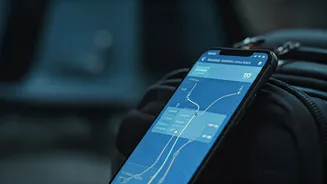
The smartest travelers aren't just using their phones for boarding passes. They're leveraging a suite of apps that act as a personal travel agent, translator, and local guide. Think beyond Google Maps. Apps like TripIt organize every booking confirmation
into a seamless master itinerary. AI-powered planners like GuideGeek or Layla can build a custom travel plan in seconds based on your interests. On the ground, Google Lens offers real-time translation of menus and signs, breaking down language barriers instantly. This isn't about being glued to a screen; it's about using technology to solve logistical problems before they happen, freeing up your mental energy to actually enjoy the destination.
2. Loyalty Is The New Luxury
For decades, luxury travel meant paying top dollar for five-star hotels and first-class seats. The new cool is getting those same perks for a fraction of the cost through strategic loyalty. Smart travelers understand that brand allegiance pays dividends. Instead of booking flights and hotels haphazardly across different platforms, they concentrate their spending with one or two airline and hotel alliances. This focus accelerates their path to elite status, which unlocks complimentary upgrades, lounge access, free breakfast, and other benefits that once felt exclusive to the ultra-wealthy. It’s a long game, but the payoff is flying business class on points or getting a suite upgrade just for being a loyal customer.
3. The Off-Season Is The Only Season
Fighting through crowds in Rome in July or paying surge pricing in Miami during spring break is officially uncool. The savvy traveler knows the real magic happens during the “shoulder seasons”—the periods just before and after peak tourist times (think May or September in Europe). The benefits are threefold: lower prices on flights and accommodations, fewer people clogging up iconic sights, and a more authentic feel for the location. You get to interact with locals who aren't exhausted by the tourist crush and experience a place as it truly is. It's a simple shift in timing that fundamentally transforms the quality of a trip from a stressful ordeal into a relaxing exploration.
4. Packing Light Is a Power Move
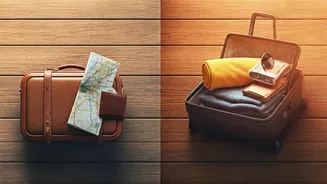
Checking a massive suitcase is a rookie move. The truly experienced traveler operates with a carry-on only. This isn't just about avoiding baggage fees; it's a philosophy of freedom and efficiency. With only a carry-on, you can walk off the plane and straight out of the airport, bypassing the baggage claim carousel entirely. You're more mobile, able to hop on a train or navigate a cobblestone street without wrestling a clumsy roller bag. This forces you to be intentional with your packing, choosing versatile pieces that can be mixed and matched. It's a declaration that your experience is more important than your wardrobe, and that you value mobility over excess.
5. Go For Experiences, Not Just Sights
The old travel checklist—Eiffel Tower, Colosseum, Times Square—is being replaced by a desire for genuine connection and unique experiences. Smart travelers are skipping the long lines at the main attractions (or visiting at off-hours) and instead seeking out activities that immerse them in the local culture. This could mean taking a cooking class in a local's home in Bologna, joining a neighborhood street art tour in Bogotá, or learning a traditional craft from an artisan in Kyoto. These are the moments that create lasting memories, not the selfie in front of a crowded monument. It’s about collecting stories, not just photos.
6. Sustainability Becomes Strategy
Choosing sustainable options is no longer just an ethical decision—it's often the smarter one. Opting for a city's public transit system instead of relying on ride-shares is not only better for the environment but also cheaper and frequently faster. Staying in locally-owned guesthouses or boutique hotels instead of massive international chains often provides a more authentic and memorable stay while ensuring your money supports the local community directly. Even simple things, like carrying a reusable water bottle, save you money and reduce plastic waste. Smart travel recognizes that what’s good for the planet is often good for your wallet and your overall experience.