
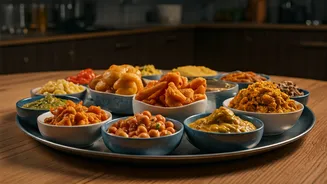


The Legacy of the Buffet
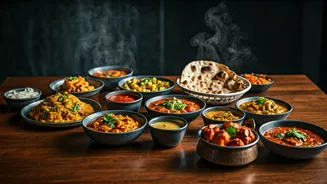
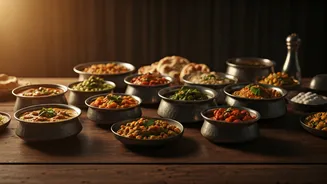
For decades, the Indian restaurant experience in America was largely defined by two things: the all-you-can-eat lunch buffet and a dinner menu heavy on North Indian staples. Dishes like chicken tikka masala, saag paneer, and malai kofta—rich with cream,
butter, and ghee—became synonymous with Indian food. This wasn't a historical accident. Early Indian restaurateurs, often from the Punjab region, adapted their recipes for a Western palate that expected a hearty, celebratory feast. The goal was abundance and indulgence, a model that successfully introduced millions of Americans to a new world of flavor but also cemented the association between Indian food and a heavy, nap-inducing meal.
The 'Food I Grew Up With' Movement
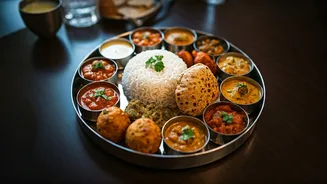
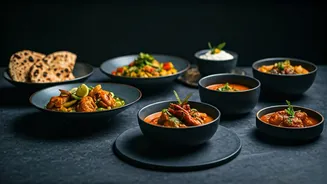
The change is being led by a new generation of chefs, many of them second-generation Indian Americans, who are eager to showcase the food they actually ate at home. This isn't the heavy, restaurant-style fare of special occasions; it's the everyday, regionally diverse, and often surprisingly light food that fuels a billion people. Chefs like Meherwan Irani of Chai Pani and Chintan Pandya of Dhamaka have earned national acclaim by rejecting the old, monolithic model. Their philosophy is simple: present Indian food in all its glorious specificity. They are cooking the street food of Mumbai, the coastal seafood dishes of Goa, and the vegetable-centric thalis of Gujarat. It's food that is vibrant and satisfying but designed to be eaten any day of the week, not just on a Saturday night when you’re prepared to write off the rest of the evening.
Lighter Techniques, Brighter Flavors
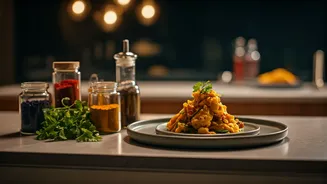
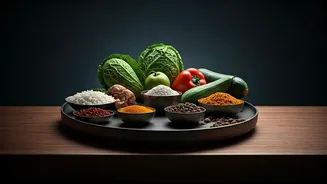
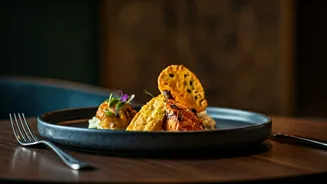
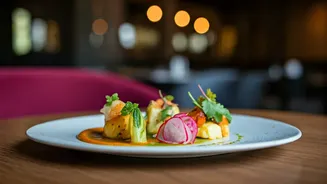
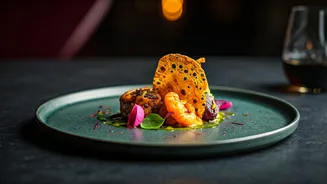
So what does this 'lighter' Indian food actually look and taste like? It's less about reinvention and more about rediscovery. Instead of relying on heavy cream for texture, chefs are using yogurt, ground nuts, or coconut milk. Rich, clarified butter (ghee) is used more judiciously for flavor, not as a primary cooking fat. There's a greater emphasis on fresh, seasonal vegetables, bright acidic notes from tamarind or lemon, and the complex aromas of freshly toasted and ground spices. Cooking methods are also diversifying beyond the slow-simmered curry. You’ll find more grilled meats and vegetables, steamed dishes, and crisp, savory crepes like dosas. The result is a meal where individual ingredients shine through, creating a symphony of flavors that feels energizing rather than enervating.
Finding Familiarity in the New
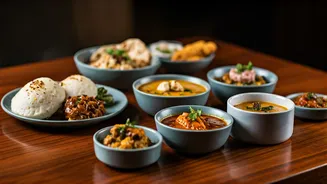
This movement isn't about alienating diners with obscure dishes. It’s about making the vast diversity of Indian cuisine more accessible. The 'familiarity' comes from the format. Think of the explosive popularity of 'chaat,' Indian street snacks that are perfect for sharing as small plates. Or consider the rise of 'grain bowls'—a quintessentially modern American format—filled with basmati rice, a flavorful dal, grilled tandoori chicken, and a medley of fresh slaws and chutneys. These formats provide a comfortable entry point for diners to explore unfamiliar flavors. It’s Indian food that fits seamlessly into the modern American lifestyle: fast-casual, customizable, and wellness-conscious, without sacrificing the authenticity and depth that makes the cuisine so beloved in the first place.