






The Countertop Cult Favorite
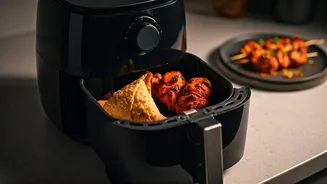
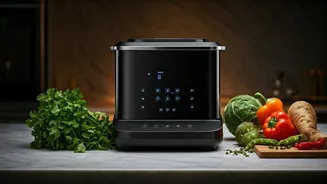
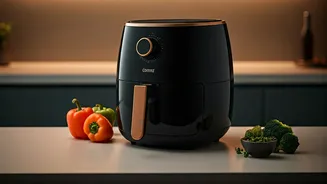
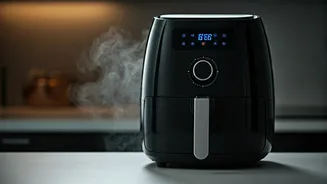
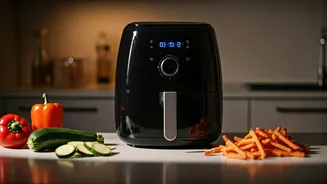
If you’ve walked into a friend’s kitchen in the last five years, you’ve likely seen it: a sleek, egg-shaped appliance humming away on the counter. The air fryer has gone from a niche, 'As Seen on TV' gadget to a non-negotiable kitchen staple for millions
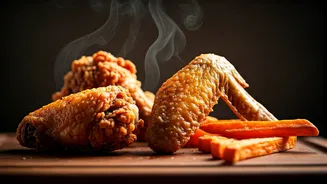
of Americans. Its rise wasn’t just a fluke of clever marketing; it was a direct response to a widespread culinary desire. We want the crispy French fries, the crunchy chicken wings, and the perfectly browned Brussels sprouts, but we’ve become increasingly wary of the health implications, cost, and mess of deep frying. The air fryer promised a shortcut—a way to get that coveted texture with a fraction of the oil. And for the most part, it delivered, creating a new category of weeknight meals that feel indulgent but align with a more health-conscious mindset.
How the 'Frying' Really Works
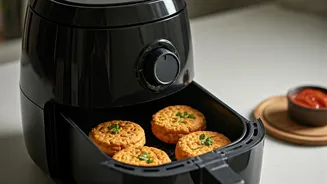
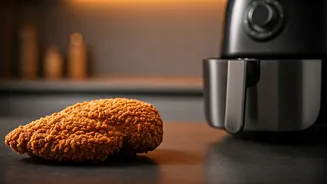
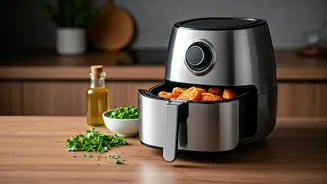
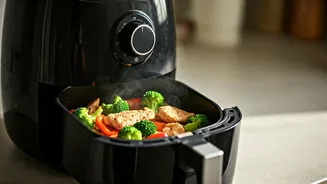
Here’s the secret: an air fryer doesn’t actually fry anything. It’s a bit of a marketing masterstroke. In reality, an air fryer is a small, incredibly powerful convection oven. It has a heating element and a strong fan that circulates hot air at high speed, creating a vortex of heat around your food. This process does two things exceptionally well. First, it rapidly wicks moisture away from the surface of the food, which is essential for creating a crispy crust. Second, it efficiently promotes the Maillard reaction—the chemical process between amino acids and sugars that gives browned food its distinctive flavor and color. So when you toss your chicken wings with a single tablespoon of oil, the air fryer’s intense, dry heat essentially roasts them on all sides at once, mimicking the texture of deep frying without submerging the food in fat.
It's More Than Just a Gadget
While the air fryer is the poster child for this trend, the movement toward oil-free crispiness is bigger than one appliance. It represents a fundamental shift in how we approach cooking. Home cooks are rediscovering the power of their conventional ovens, cranking up the heat to 425°F or 450°F and using the convection setting (if they have one) to achieve similar results. Techniques like preheating your sheet pan, ensuring food is bone-dry, and giving vegetables plenty of space to roast rather than steam are all part of this new playbook. The goal is no longer just to cook food until it's done, but to master the techniques that build texture. This mindset—prioritizing the *method* over a specific recipe—is empowering a new generation of cooks to create restaurant-quality results with everyday ingredients.
The Age of Guilt-Free Indulgence
Ultimately, the triumph of 'air frying' and high-heat roasting is a story about modern appetites. We are a culture that wants it all: we demand flavor, texture, and convenience, but we also value wellness and control over what we eat. The days of binary food choices—this is 'good,' that is 'bad'—are fading. Instead, we’re seeking smart substitutions and technological workarounds that let us enjoy the foods we love without the associated guilt. Getting a perfectly crispy potato without the deep fryer isn't just a cooking hack; it’s a reflection of a desire for balance. It proves we don’t have to sacrifice satisfaction for the sake of health. We can, it turns out, have our crispy chicken and eat it, too.