



The Obvious Reason: Less Activity
Let’s start with the simplest explanation. For most pets, especially dogs, rainy days mean canceled walks, abbreviated potty breaks, and a lot less time chasing squirrels in the yard. Just like humans, pets who burn fewer calories simply don't need to
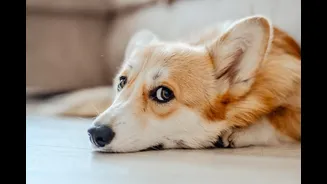
consume as many. A dog that usually enjoys a two-mile walk might have its energy expenditure cut significantly on a day spent indoors. This metabolic slowdown naturally leads to a decreased appetite. They aren’t sick; they’re just not as hungry because they haven’t done as much. A single skipped or half-eaten meal on a lazy, soggy day is rarely a cause for concern. It’s their body’s way of balancing the energy-in, energy-out equation.
An Overload of the Senses
A pet's experience of a rainy day is far more intense than ours. Dogs, for example, can hear frequencies four times higher than humans, making the distant rumble of thunder sound like an impending explosion. This can cause significant anxiety, and anxiety is a notorious appetite suppressant. Furthermore, the drop in barometric pressure that precedes a storm is something many animals are sensitive to, potentially causing discomfort in their joints, especially for older pets with arthritis. Even their sense of smell is affected. Higher humidity on a rainy day can make scents linger in the air, intensifying odors and possibly making their own food smell different or less appealing. What we find cozy, they might find overwhelming.
They Might Be Catching Your Mood
While science hasn't proven that dogs get seasonal affective disorder, they are masters at reading human emotions. If you’re feeling gloomy, lethargic, or stressed because of the weather, your pet will likely pick up on it. This phenomenon, known as emotional contagion, means your mood can directly influence theirs. If the whole house has a sluggish, downbeat vibe, your pet may respond by becoming more subdued and less interested in their usual activities, including eating. They might also just be plain bored. Without the stimulation of a walk or outdoor playtime, some pets lose interest in routine activities like mealtime. A lack of engagement can sometimes manifest as a lack of appetite.
How to Encourage a Rainy Day Meal
Instead of letting them skip a meal, you can turn the situation into an opportunity for enrichment. To compensate for the lack of outdoor exercise, engage your pet in indoor activities. A 15-minute training session, a game of hide-and-seek with treats, or a puzzle toy can stimulate their mind and body, helping to work up an appetite. You can also make mealtime itself more exciting. Consider using a slow-feeder or a food-dispensing toy, which turns eating into a fun challenge. For wet food, warming it slightly can enhance its aroma and make it more enticing on a day when scents are already behaving strangely. Maintaining a consistent feeding schedule, even on lazy days, helps reinforce the routine.
When Should You Actually Worry?
For the vast majority of pets, a temporary change in appetite during bad weather is completely normal. The key is to look at the whole picture. If your pet skips a single meal but is otherwise drinking water, acting normally, and has a normal energy level (for a rainy day), you can likely relax. The time to be concerned is when the inappetence is accompanied by other symptoms. If your pet has refused to eat for more than 24 hours, or if their lack of appetite is paired with vomiting, diarrhea, lethargy, or signs of pain, it's time to call the veterinarian. These are indicators that something more serious than just a case of the rainy-day blues might be at play.