






Lodhi Garden: Where History Breathes
More than just a park, Lodhi Garden is an open-air museum where nature and 15th-century history collide. It’s the perfect entry point for anyone looking to swap air-conditioned consumerism for fresh air and culture. Manicured lawns and vibrant flowerbeds
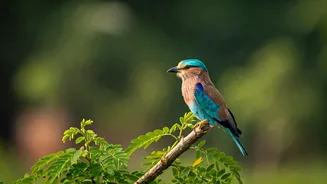
surround the imposing tombs of Sayyid and Lodi dynasty rulers. The 90-acre space is a favorite among Delhiites for morning jogs and leisurely evening strolls. Here, the soundtrack isn’t pop music from a food court; it’s the chatter of parakeets and the gentle rustle of ancient trees. It’s an easy, accessible walk that doesn’t require special gear, offering a powerful reminder that the city’s past is still very much a part of its present landscape. You can spend an hour here and feel like you’ve traveled back centuries, all while enjoying one of the best-maintained green spaces in the heart of the city.
Sanjay Van: A Birder’s Paradise
Sprawling over 780 acres, Sanjay Van is a dense, semi-wild forest that feels a world away from the urban sprawl surrounding it. While local lore whispers tales of it being haunted, its main draw for visitors today is its incredible biodiversity. This is Delhi’s premier spot for birdwatching. The forest is home to species like the purple sunbird, crested serpent eagle, and Indian paradise flycatcher. Its network of dusty trails, which wind through thorny kikar trees and past the crumbling ramparts of an old fort, offers a more rugged experience than Lodhi Garden. The paths are uneven and the signage is minimal, which only adds to the sense of adventure. It’s a place to get intentionally lost for a few hours, guided only by the sounds of the forest and the occasional glimpse of a nilgai, Asia’s largest antelope, darting through the undergrowth.
Hauz Khas Forest: The Urban Oasis
Tucked behind the trendy cafes and boutiques of Hauz Khas Village, this forest provides a study in contrasts. On one side, you have the heart of Delhi's modern social scene; on the other, a tranquil woodland teeming with life. The Hauz Khas Forest is part of a larger complex that includes a historic reservoir, a 14th-century mosque, and the tomb of Firoz Shah Tughlaq. The walking trails here are popular with runners and families, offering picturesque views of the lake. It's one of the few places in the city where you can reliably spot deer grazing peacefully and peacocks fanning their iconic plumes. A walk here allows you to pair the best of both worlds: start your morning with a quiet hike among the ruins and end it with a coffee at a hip cafe overlooking the very forest you just explored. It’s the perfect blend of nature, history, and modern urban culture.
Asola Bhatti Wildlife Sanctuary: Delhi’s Wild Frontier
For those who want a truly wild experience, the Asola Bhatti Wildlife Sanctuary on the southern edge of Delhi is the ultimate destination. Once a series of heavily mined pits, the area has been painstakingly restored into a thriving sanctuary that forms a crucial part of the Aravalli Range, one of the oldest mountain ranges in the world. The terrain is rocky and arid, a sharp contrast to the city’s manicured parks. The sanctuary is vast, and its trails lead to several hidden lakes with shockingly blue water. This is not a casual stroll; it’s a proper hike. While larger predators are absent, the sanctuary is a vital habitat for jackals, civets, porcupines, and a staggering number of butterflies and birds. It’s a powerful testament to ecological recovery and a place where you can feel the true scale of nature pushing back against the edges of the city.