



The Rebellion Against Bland
For many Americans, the word “wellness” conjures images of pale chicken breasts, steamed broccoli, and salads that are more about endurance than enjoyment. It’s a culinary world built on subtraction—less fat, less salt, less sugar, and often, less joy.
But across India, a powerful counter-narrative is taking hold. Urban millennials and Gen Z are driving a movement that champions “flavour-forward wellness,” an approach that doesn’t just tolerate taste but actively celebrates it. It’s a full-throated rejection of the idea that healthy food must be a punishment. This isn’t about importing Western kale-and-quinoa fads. Instead, it’s a modern revival of India’s own vast culinary and medicinal wisdom, repackaged for the Instagram generation.
Ancient Grains and Superfood Spices
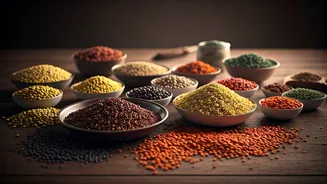
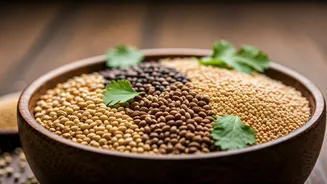
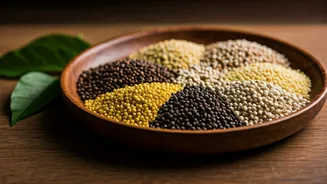
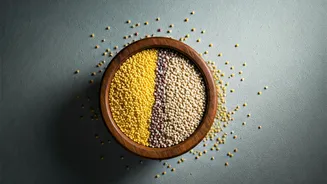
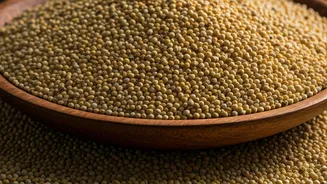
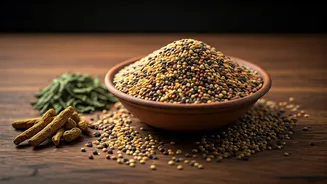
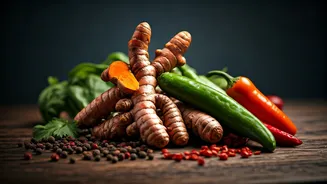
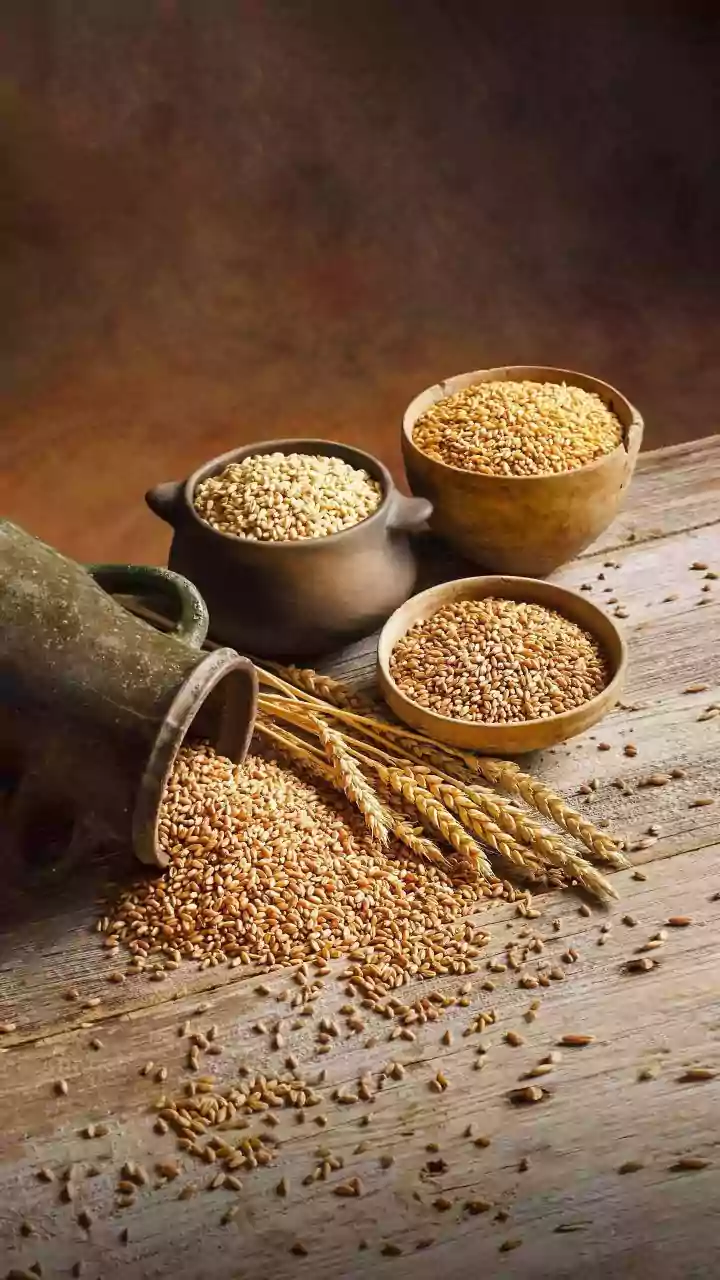
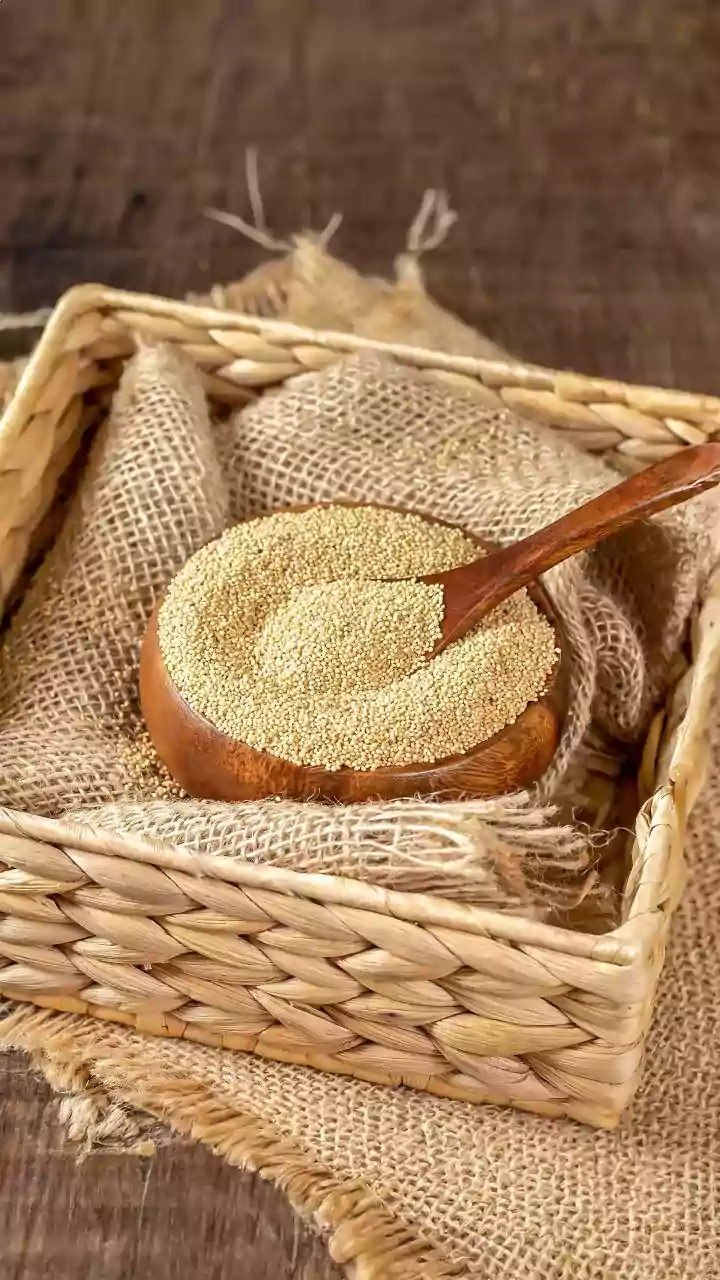
So what does this look like on the plate? It starts with the ingredients. Ancient, nutrient-dense grains that were once dismissed as “poor people’s food” are making a major comeback. Millets like ragi (finger millet) and jowar (sorghum) are now the stars of everything from pancakes and dosas to hearty grain bowls that put quinoa to shame. They are naturally gluten-free, high in protein, and far more sustainable to grow in India’s climate than wheat or rice. At trendy cafes from Mumbai to Bangalore, you’ll find smoothie bowls supercharged not with acai, but with ashwagandha—an adaptogenic herb from Ayurvedic tradition known for its stress-reducing properties. Turmeric, long known in the West for its anti-inflammatory benefits, is used with a deftness that goes far beyond the occasional golden latte. It’s paired with black pepper (to increase absorption), ginger, and other spices in complex, delicious concoctions that are inherently medicinal.
Ayurveda Goes Mainstream
At the heart of this movement is a modern interpretation of Ayurveda, India’s ancient science of life and well-being. While traditional Ayurveda can be complex, its core principles are finding new life. The idea of eating local, seasonal foods that suit your body type is no longer a niche concept. It’s the philosophy behind countless new-age restaurants and meal-delivery startups. They’re creating menus based on balancing the body’s “doshas” (energies) without making it feel like a lecture. You might see a “Pitta-pacifying” coconut curry or a “Kapha-balancing” spiced lentil soup on the menu. The genius is in the framing: it’s not about restriction, but about alignment and nourishment. The focus is on adding beneficial herbs, spices, and vegetables, using fermentation (think pickles and probiotic-rich kanji), and celebrating the six tastes—sweet, sour, salty, bitter, pungent, and astringent—that Ayurveda says are essential for a balanced meal and optimal digestion.
A Return to Roots
This trend isn’t happening in a vacuum. It’s part of a broader cultural shift in urban India—a renewed pride in indigenous ingredients and traditions. After decades of looking to the West for culinary and cultural cues, a new generation is looking inward. They are rediscovering the incredible biodiversity of the subcontinent, from Himalayan pink salt to moringa from the south. This isn’t just about health; it’s about identity. Eating millet is a vote for local farmers. Choosing a jackfruit-based dish over a mock-meat burger is a statement of culinary patriotism. It’s a delicious form of decolonization, proving that the solutions to modern wellness problems might just be found in grandma’s kitchen, albeit with better branding and a much slicker social media presence.