



Defining the 'Anti-Hotel' Experience
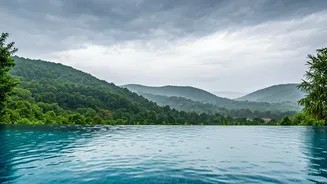
For decades, the ideal vacation was built on a hotel-centric model: predictability, pristine service, and a controlled environment designed to shield you from the very place you came to visit. The air conditioning is always on, the pool is always sparkling
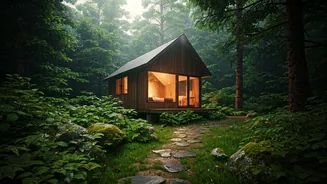
blue, and the outside world—with its unpredictable weather and unfiltered culture—is kept at a comfortable distance. The 'anti-hotel' mood, embodied by the monsoon homestay, is a gentle rebellion against this bubble. It’s a choice to lean into the environment, not escape it. Instead of a generic room, you get a space with character, often in a family’s home or a small, locally-run property. It’s about trading the concierge for a host who offers you a home-brewed cup of tea and a story about the village.
The Allure of the Off-Season
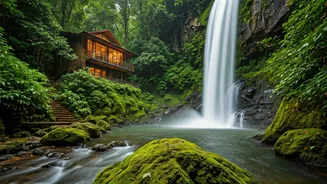
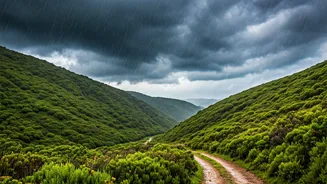
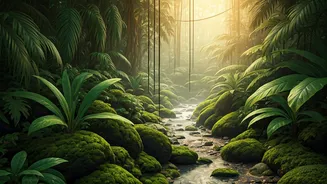
Conventional travel wisdom tells us to chase the sun. We pore over climate charts to find the driest, sunniest months, leading to surges in prices and crowds. The monsoon travel trend flips this script entirely. It celebrates the so-called 'off-season' as the main event. In places like Southeast Asia or India’s Kerala region, the monsoon transforms the landscape. Dust settles, vibrant greens explode into an almost surreal lushness, and waterfalls roar back to life. The air smells of wet earth and blooming flowers. For travelers, this means experiencing a destination in its most dramatic and introspective state. The crushing heat of summer gives way to a cooler, more contemplative atmosphere. It’s a chance to see a place breathe and renew itself, far from the tourist hordes of peak season.
Finding a Tropical 'Hygge'
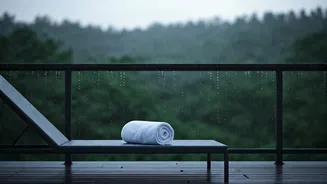
The Danish concept of 'hygge'—a feeling of cozy contentment and well-being—resonated deeply with Americans seeking comfort during cold, dark winters. The monsoon homestay offers a tropical version of this same feeling. There’s a profound sense of peace in being warm and sheltered indoors while a dramatic downpour unfolds outside your window. The day’s agenda isn’t packed with sightseeing; it revolves around simple pleasures. You might spend the afternoon reading a book in a hammock on a covered porch, learning a local recipe in the kitchen, or simply watching the mist roll over the hills. This enforced slowdown is a powerful antidote to our chronically over-scheduled lives. It’s a permission slip to do nothing but be present, listening to the rain and disconnecting from the need to be constantly doing something.
A Deeper Connection to Place
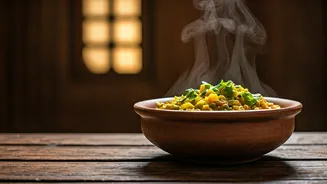
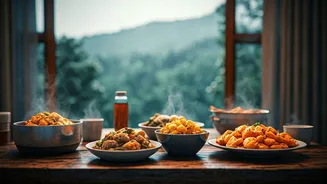
At its core, the appeal of a homestay is the human connection. Unlike the transactional nature of a large hotel, a homestay offers a glimpse into the daily rhythms of local life. Your host is not just a service provider; they are your cultural guide. You’re not eating from a standardized international buffet, but sharing meals that have been part of the family for generations. This intimacy is magnified during the monsoon season. With fewer tourists around, the experience becomes even more personal. You might be the only guests, allowing for deeper conversations and a more genuine exchange. This type of travel moves beyond simple consumption of a place and fosters a sense of participation in it. It’s the difference between seeing a landscape and feeling like a part of it.