
Beyond the Curry House Stereotype
Let’s be honest: for many Americans, “getting Indian” meant one of two things: a creamy, anglicized chicken tikka masala or a sprawling lunch buffet of indeterminate age. It was delicious, yes, but rarely considered haute cuisine. The food of a subcontinent
with more culinary diversity than all of Europe was flattened into a handful of familiar, often Western-friendly, dishes. The chefs behind it were largely anonymous, running neighborhood spots that were loved locally but rarely made national headlines. They were part of the culinary backdrop, not the main event. But a seismic shift has been taking place, moving from a low rumble to a full-on roar. Indian chefs are no longer content to just be in the kitchen; they are now the authors, stars, and directors of their own culinary stories.
The Rise of 'Unapologetic' Indian Food
Nowhere is this shift more visible than in New York City, thanks to chef Chintan Pandya. His restaurant group, Unapologetic Foods, says it all in the name. At his wildly popular restaurant Dhamaka, there’s no pandering. The menu showcases rural, regional dishes rarely seen in the U.S., like goat necks and brain masala. Pandya’s philosophy is simple: this is the food we eat at home, and we’re not watering it down for anyone. The result? A James Beard Award for Best Chef and lines out the door. His success proved a crucial point: American diners weren’t just ready for more authentic Indian food; they were starving for it. Pandya became a protagonist in a new story where specificity, heritage, and bold, uncompromising flavor are the ultimate currency.
Crashing the Gates of Fine Dining
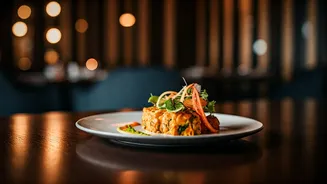
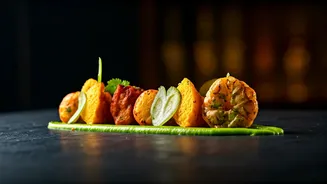
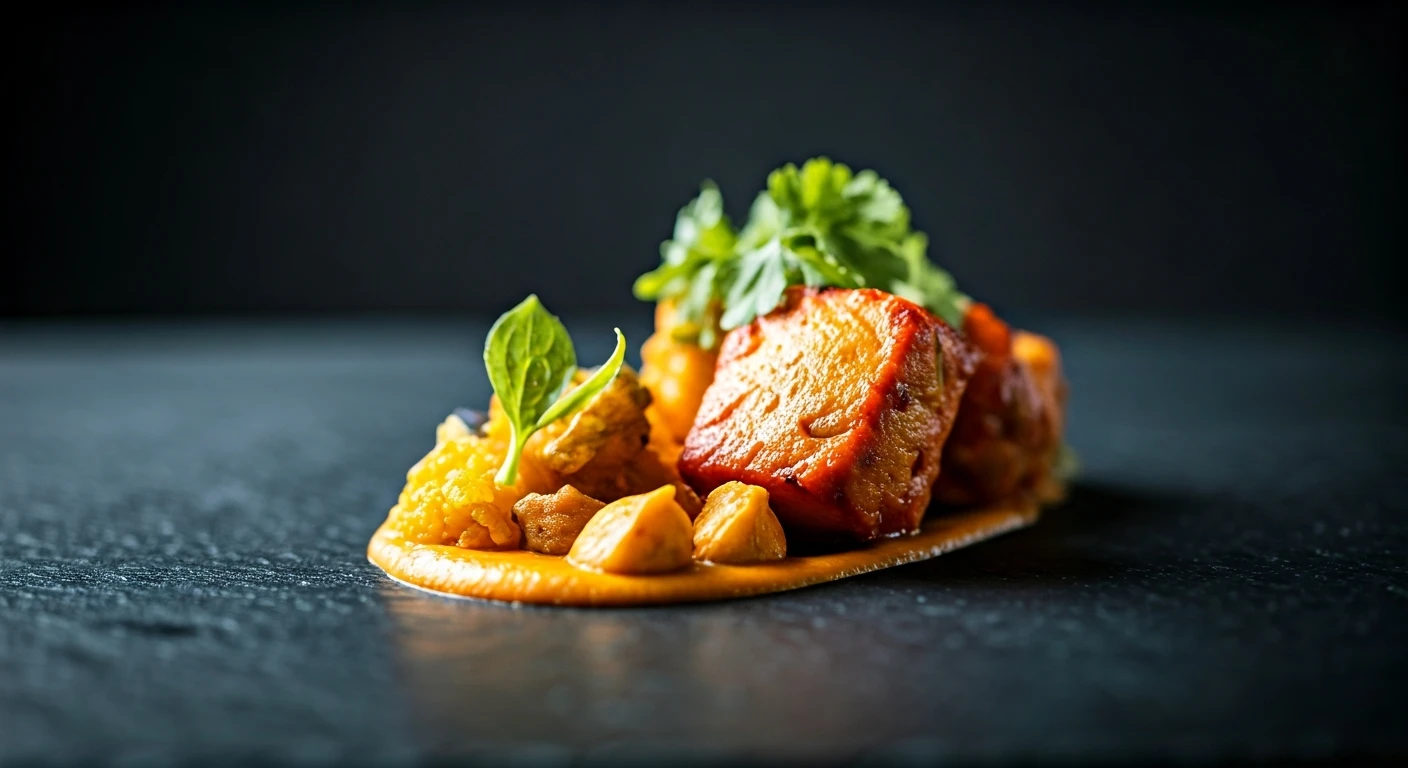
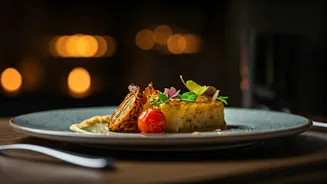
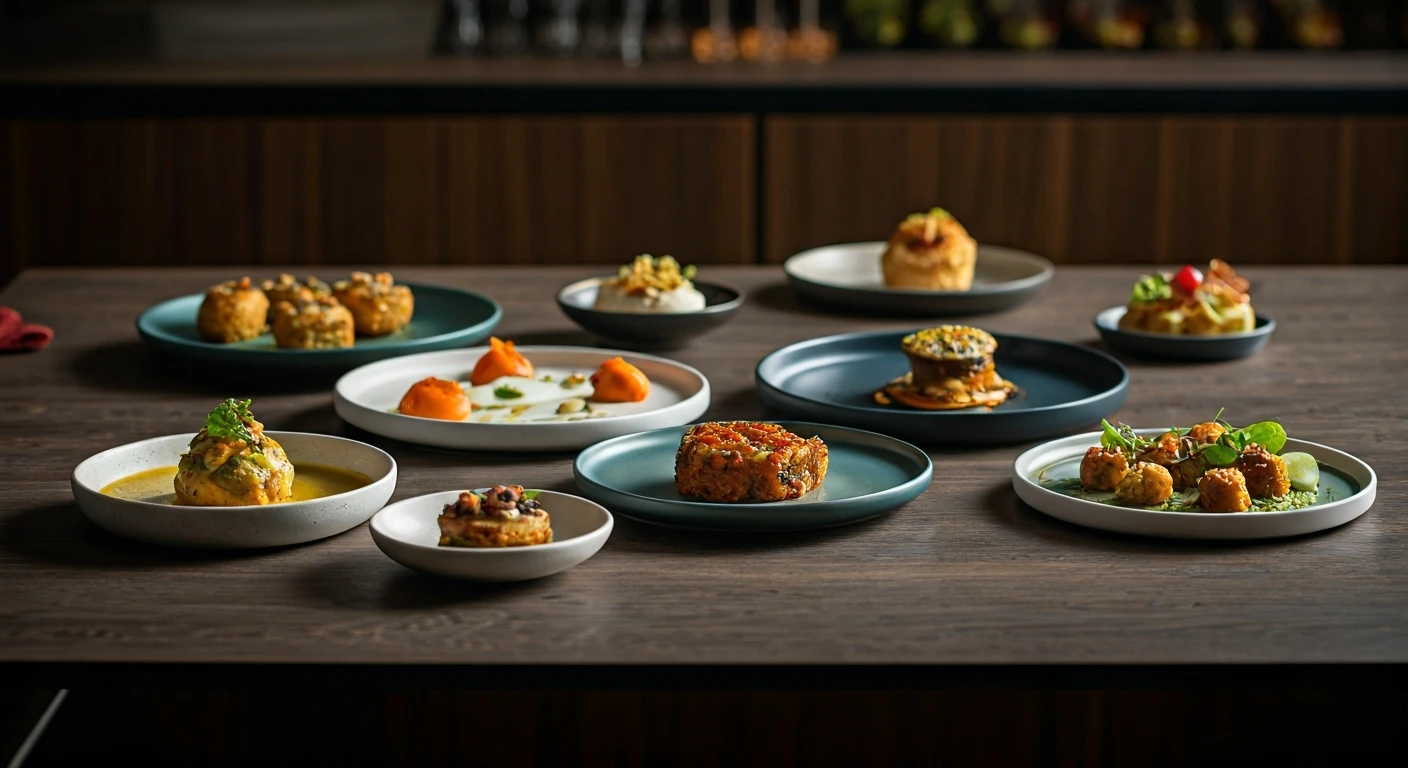
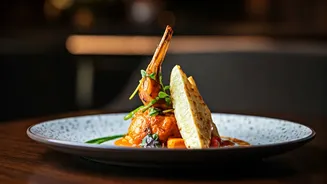
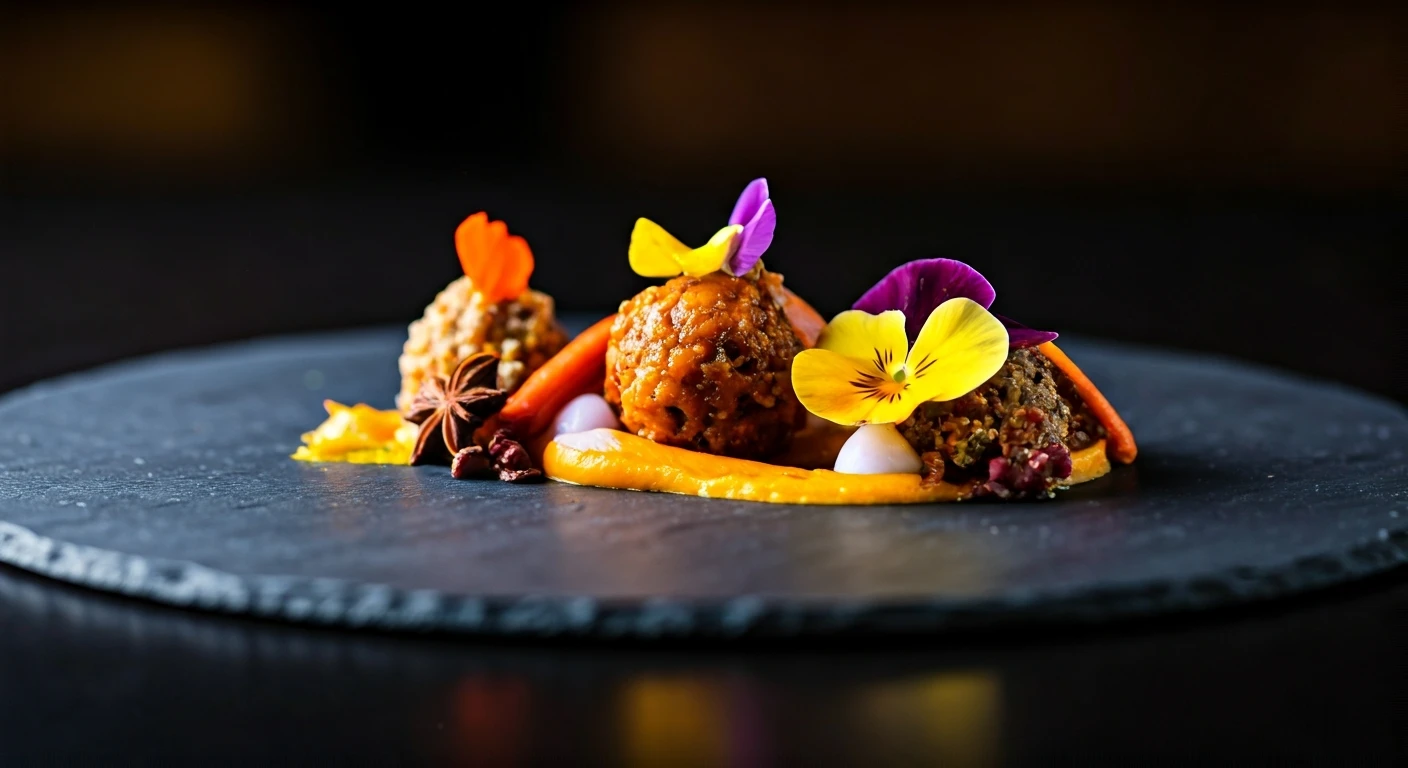
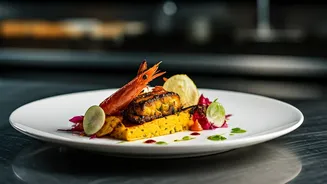
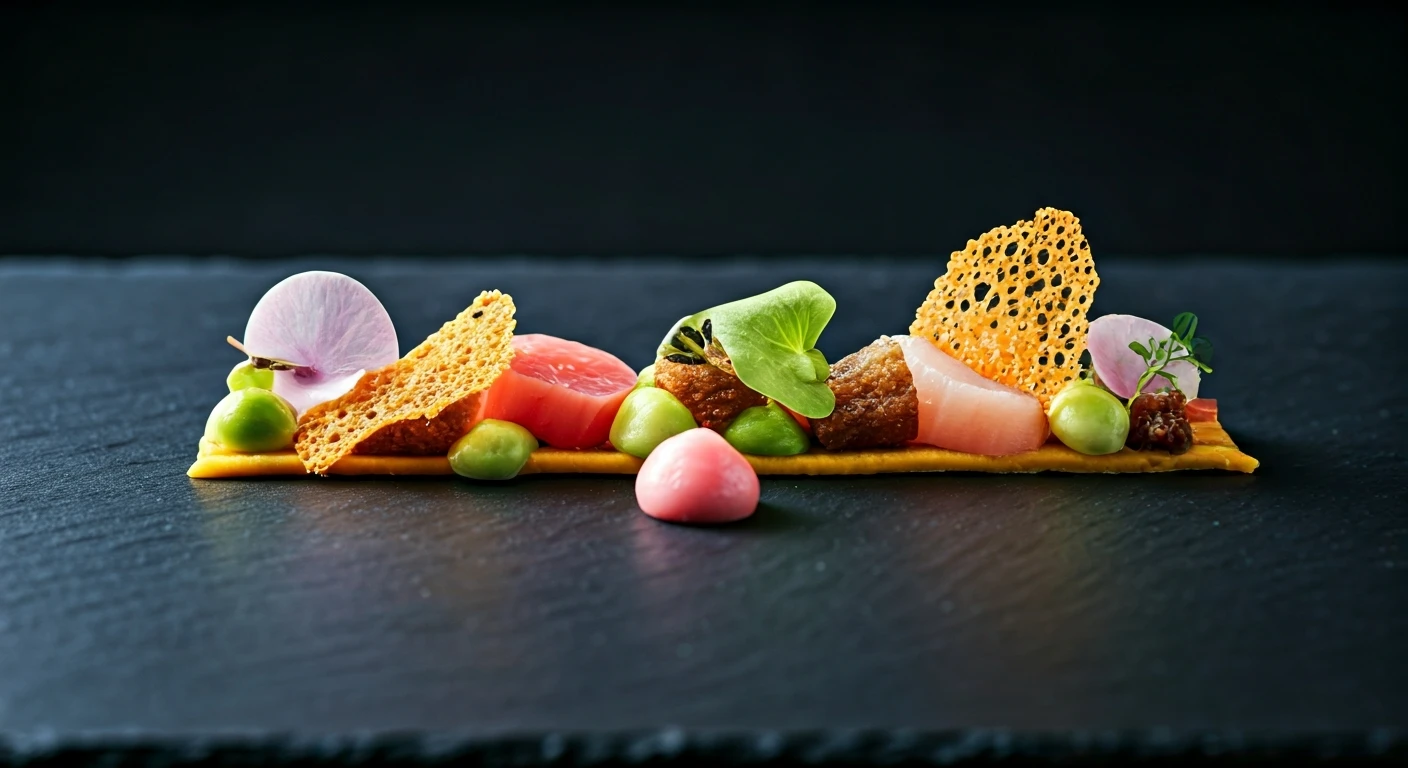
While Pandya conquered the street-food-inspired scene, others have been storming the bastions of global fine dining. For years, the Michelin-starred world was dominated by French and Japanese techniques. But chefs like Gaggan Anand, with his “progressive Indian” cuisine in Bangkok, and Garima Arora, the first Indian woman to win a Michelin star, changed the game. They use global techniques—spherification, foams, and deconstruction—not to hide Indian flavors but to amplify them. Imagine a yogurt explosion that tastes of dahi, or a deconstructed samosa that delivers all the flavor in a single, exquisite bite. They proved that Indian cuisine doesn't need to be “elevated” by Western standards because it already possesses its own complex, sophisticated grammar. It can be playful, intellectual, and worthy of a multi-hundred-dollar tasting menu.
The Power of Story and Heritage
This main character energy isn't just about ego or awards; it’s about purpose. Take Asma Khan, the force behind London’s Darjeeling Express. Profiled on Netflix’s *Chef’s Table*, Khan’s story is as compelling as her food. She runs an all-female kitchen staffed by immigrant home cooks, not professionally trained chefs. Her menu is a celebration of the food she grew up with, passed down through generations of women. Her restaurant is more than a place to eat; it's a platform for celebrating the unseen labor of female cooks and preserving culinary heritage. By putting her story and the stories of her staff at the center of the experience, Khan demonstrates that authenticity isn’t just an ingredient—it’s the entire point. She’s the protagonist of a narrative about food, feminism, and community.
Why Now? A Global Palate Shift
So why is this happening now? It’s a perfect storm. Social media has given chefs a direct line to audiences, bypassing traditional gatekeepers. A new generation of diaspora chefs, who grew up between cultures, are uniquely positioned to translate and innovate. And most importantly, diners themselves have changed. We are more curious, more adventurous, and more interested in the stories behind our food than ever before. The idea that French cuisine is the default “best” is an outdated, colonial-era hangover. Today’s food lovers recognize excellence in a perfectly spiced Goan curry just as they do in a technically flawless French sauce. These Indian chefs aren’t just having a moment; they are meeting the moment, stepping into a spotlight that the world finally prepared for them.