

The End of Single-Purpose Rooms
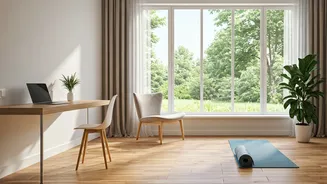
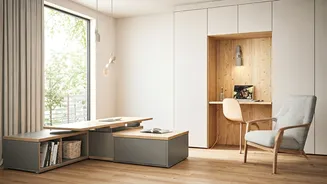
Remember the dining room? The guest room? For a growing number of city dwellers, these single-use spaces are an unaffordable luxury. The modern urban home must be a shapeshifter. The corner of the living room becomes a conference room by day and a yoga
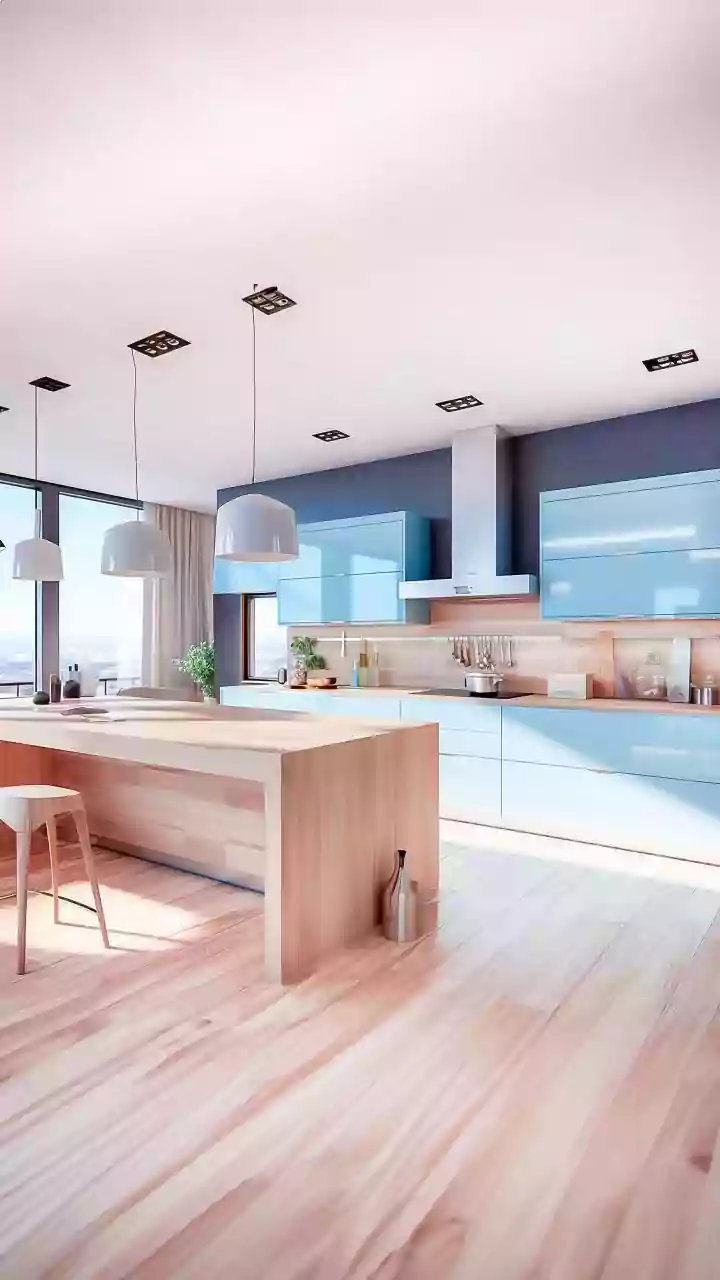
studio by night. The kitchen island doubles as a co-working space for you and a homework station for the kids. This isn't a design trend; it's a direct response to economic and social pressures. With rising rents and the new permanence of remote work, our homes are being asked to do more than ever. The survival plan isn't about finding a bigger place, but making the place you have work harder.
Furniture That Works Overtime
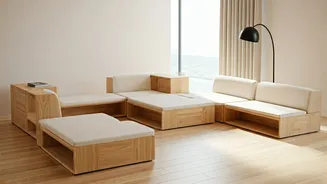
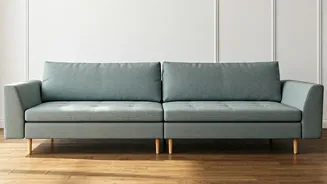
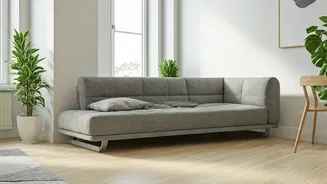
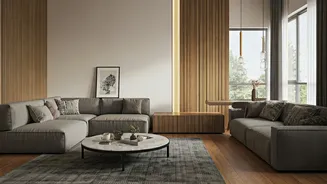
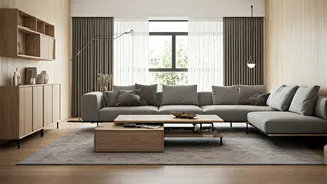
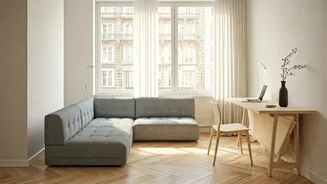
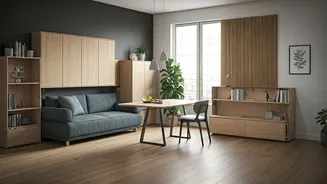
The hero of the flexible home is multi-functional furniture. This goes far beyond the lumpy sofa bed of the past. Today’s market is filled with ingenious designs. Think of a sleek coffee table that lifts and expands to become a dining table for six. Consider a stylish ottoman that not only stores blankets but also contains a hidden tray top for drinks. Modular sofas can be reconfigured from a sectional for movie night to separate chairs for a book club meeting. And the Murphy bed has made a stunning comeback, now integrated into elegant wall units that include desks or shelving, allowing a bedroom to completely vanish when it’s not needed.
Create Zones, Not Rooms
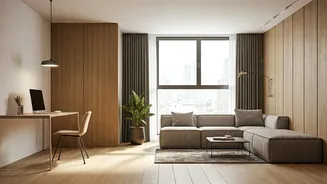
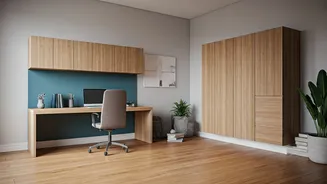
In an open-plan studio or a one-bedroom apartment, creating the illusion of separate spaces is key to sanity. You don’t need walls to do it. Strategic zoning can mentally and visually divide a single room into distinct areas. Use a large area rug to anchor your “living room” zone, separating it from the “office” zone, which might be defined by a different style of lighting. A thoughtfully placed open-backed bookshelf can create a sense of an entryway without blocking light. Even paint can be a powerful tool; painting a nook or a single wall a contrasting color can instantly designate it as a unique space, like a reading corner or a creative hub.
The Power of a Good Divider
When you need a more concrete boundary, modern room dividers offer a range of flexible solutions. Forget flimsy paper screens. Today’s options include stylish, sound-dampening felt panels that hang from the ceiling, portable slatted wood partitions that add architectural interest, or even curtains hung from ceiling tracks. These solutions allow you to close off a workspace for a private call or create a temporary guest area without the permanence—or the cost—of building a wall. They provide privacy when you need it and disappear when you don't, making them the ultimate tool for a layout that needs to change on a daily basis.
Think Vertically
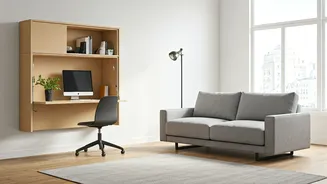
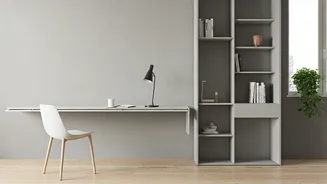
In any small space, the most underutilized real estate is usually the wall space above your head. To maximize flexibility, you need to get things off the floor. Floor-to-ceiling shelving not only provides massive amounts of storage but also draws the eye upward, making the room feel taller and more spacious. Wall-mounted desks can be folded up when not in use, instantly reclaiming valuable floor space. Look for opportunities to install high shelves in hallways for seasonal items or use wall-mounted racks in the kitchen to free up precious counter space. Every item you can lift off the floor is a victory for adaptability.