
Beyond the Potato Chip Bag
Let’s be honest: American snacking is a multi-billion dollar industry built on a foundation of salt, fat, and crunch. We love our potato chips, our cheese puffs, and our tortilla chips dunked in lukewarm queso. There’s a comfort in the familiar crinkle
of a bag and the satisfying, if sometimes one-note, flavor. But lately, a collective craving for something more—more complex, more dynamic, more interesting—has been building. We’re seeking snacks that don’t just numb our hunger but also excite our senses. This is where chaat comes in. For millions in India and across the South Asian diaspora, chaat isn’t a trend; it’s a beloved culinary institution. The word itself comes from the Hindi word ‘chaatna,’ meaning ‘to lick,’ and it perfectly captures the craveable, finger-licking nature of these dishes. It’s not one single item but a whole universe of savory snacks, and it’s slowly but surely making its way onto menus and into kitchens across the U.S.
So, What Exactly Is Chaat?
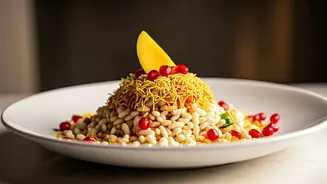
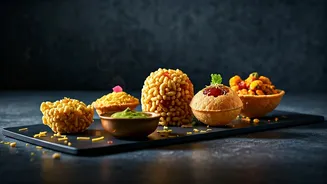
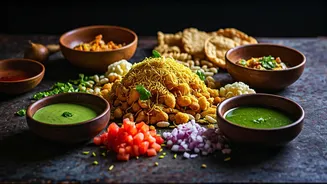
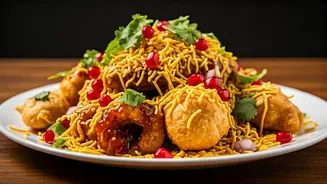
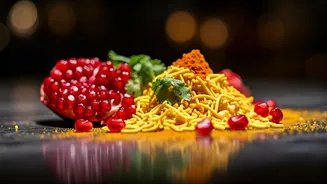
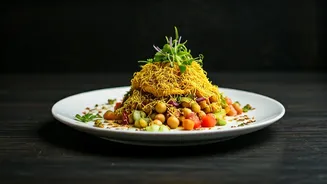
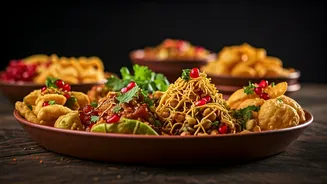
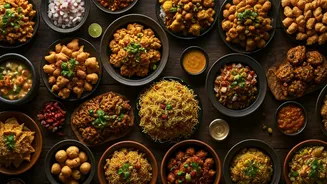
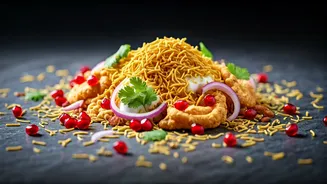
To ask “what is chaat?” is like asking “what is a sandwich?” There’s no single answer, but there is a formula. At its core, most chaat is a beautiful mess—a symphony of contrasting textures and tastes layered together. It usually starts with a crispy or starchy base: maybe a crushed samosa (samosa chaat), puffed rice (bhel puri), fried crackers (papdi chaat), or a hollow, crisp sphere (pani puri/golgappa). Then come the layers of flavor. Cool, creamy yogurt (dahi) often balances fiery spices. Sweet-and-sour tamarind chutney provides a tangy depth, while a bright, herbaceous mint-cilantro chutney adds a fresh kick. Finally, it’s showered with a confetti of toppings: crunchy bits of fried chickpea flour noodles called sev, finely chopped raw onions and tomatoes for bite, and a dusting of chaat masala—a magical spice blend typically containing amchoor (dried mango powder), cumin, coriander, and black salt. Every spoonful is a different experience.
A Flavor Explosion, Not a Grease Bomb
The headline’s use of “light” to describe chaat can be misleading if you’re only counting calories. Some versions, especially those involving fried components, are certainly indulgent. But the “lightness” refers more to the eating experience. Unlike a heavy plate of chili cheese fries that can leave you feeling weighed down, chaat is invigorating. The interplay of cool yogurt, zesty chutneys, and fresh herbs provides a brightness that cuts through the richness. Traditional American snacks often hit one or two flavor notes—salty, cheesy, or sweet. Chaat aims for a full-on sensory assault, often incorporating sweet, sour, salty, spicy, and savory all in a single bite. This complexity is what makes it so compelling. It’s a snack that demands your attention, engaging your palate in a way a simple potato chip rarely does. It’s less of a mindless munch and more of an active, delicious event.
From Street Carts to Supermarket Aisles
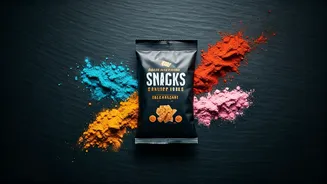
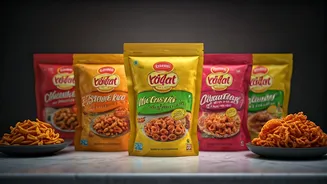
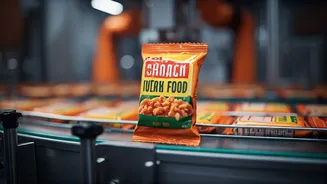
For years, finding authentic chaat in America meant seeking out dedicated Indian restaurants or street food specialists. But the landscape is shifting. As second-generation chefs and food entrepreneurs bring their heritage to the forefront, chaat is appearing in new and exciting contexts. You might find a deconstructed version at an upscale New American restaurant, a chaat-style topping on tacos at a trendy fusion spot, or even a “chaat-cuterie” board on Instagram. This growing popularity is also being noticed by major food brands. Walk down the snack aisle at a well-stocked grocery store, and you’ll find chaat-flavored potato chips or lentil crisps. Companies are creating “bhel puri mixes” that allow you to assemble the snack at home in minutes. This mainstream adoption is the clearest sign that chaat is no longer a niche curiosity. It’s becoming a legitimate competitor for our snacking attention, offering a world of flavor to anyone bold enough to look beyond the usual suspects.