



You Actually Get to See the Sights
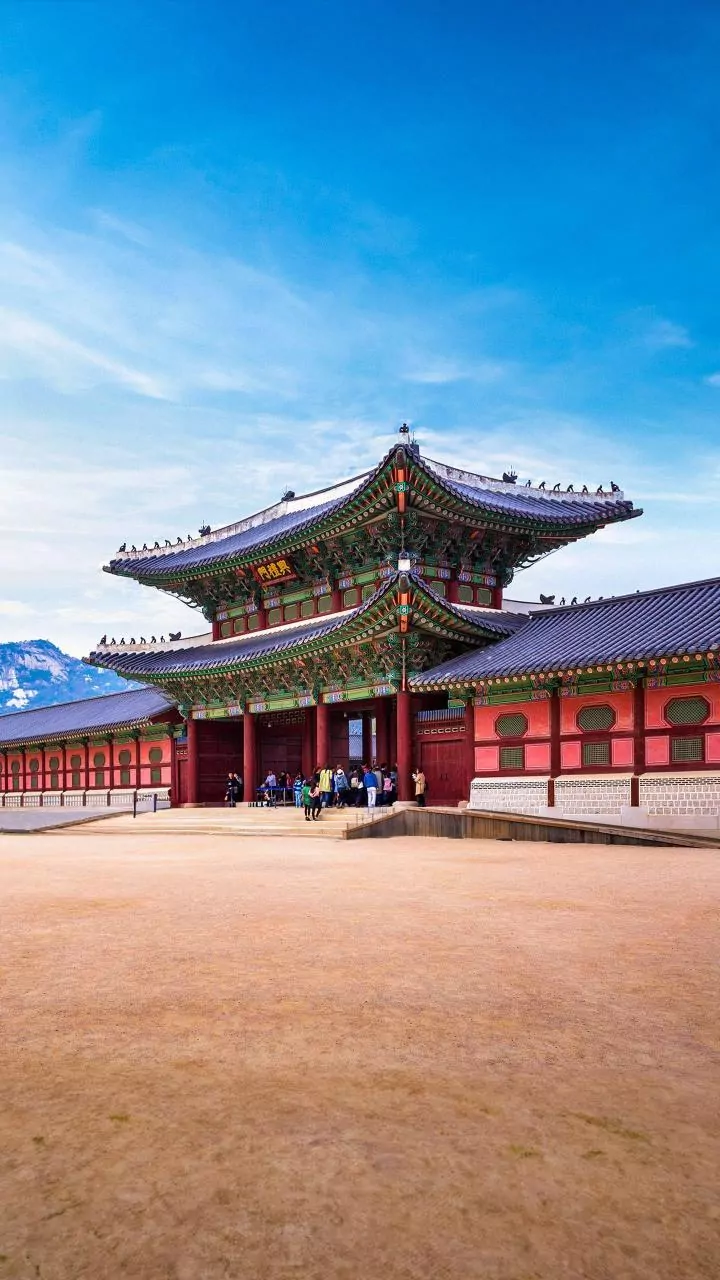
Let’s start with the most obvious, yet most profound, benefit: the blissful absence of crowds. Imagine wandering through the Roman Forum on a crisp November morning, the ancient stones echoing your footsteps, not the chatter of a thousand tour groups.
Picture having a gallery at the Louvre almost to yourself, able to contemplate a masterpiece without craning your neck over a sea of smartphones. Peak season turns world wonders into frustrating queues and photo-bomb gauntlets. Off-season travel, however, restores the serenity and personal connection that made you want to visit in the first place. You’re not just seeing a place; you’re experiencing it without the suffocating presence of everyone else who saw the same influencer post.
Your Wallet Will Thank You
The laws of supply and demand are ruthless, especially in tourism. When demand is high, so are prices—for everything. Traveling in the peak season means paying a premium for flights, accommodation, and even some attractions. But the moment you shift your dates to the “shoulder season” (the months just before or after peak) or the true off-season, prices can plummet. That transatlantic flight that was eye-watering in July becomes surprisingly affordable in October. The chic boutique hotel that was booked solid for August suddenly has rooms at a fraction of the cost in February. This financial freedom isn't just about saving money; it’s about upgrading your experience. The cash you save on a flight can become a Michelin-starred meal, an extra week of vacation, or a splurge on a truly unique local tour.
You Meet the Real Locals
During the high season, many popular destinations transform into a theme park version of themselves. Locals are often overwhelmed, exhausted by the relentless wave of visitors, and working too hard to offer a genuine smile or conversation. In the off-season, the dynamic changes completely. The city breathes again. Shopkeepers, restaurateurs, and bartenders have time to chat. You’re no longer just another tourist in an endless line; you’re a novelty, a welcome guest. This is when you get the best recommendations, hear the real stories, and feel the true rhythm of a place. You’re not just visiting; you’re participating in the daily life of a community that has returned to its normal state.
Spontaneity Becomes Possible Again
Peak-season travel often requires military-grade planning. Dinner reservations, museum tickets, and train seats must be booked weeks, if not months, in advance. There’s little room for spontaneity when you’re competing with millions of other travelers for the same limited resources. The off-season, however, brings back the magic of discovery. You can wake up and decide to visit that famous landmark on a whim, likely walking right in. You can wander into a highly-rated restaurant and actually get a table. This flexibility allows you to follow your curiosity, to change your plans based on a local’s recommendation or a sudden change in the weather. It turns your vacation from a rigid itinerary into a genuine adventure.
Discover the Beauty of the 'Wrong' Weather
Who decided that a beach is only beautiful under a scorching summer sun? There’s a moody, dramatic beauty to a windswept coastline in the fall. There’s an undeniable romance to a European city dusted with snow, its cafés glowing with warmth. Off-season travel forces you to appreciate a destination in a different light. It might mean swapping your swimsuit for a stylish trench coat or your sandals for a sturdy pair of boots, but the trade-off is often a more atmospheric and memorable experience. The 'imperfect' weather often filters out the fair-weather tourists, leaving the destination to those who appreciate its character in all its forms. You get cozier, more intimate moments that are often more memorable than another perfect, sunny day.