


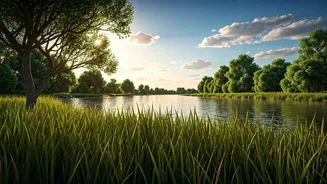


An Island Untethered from Time
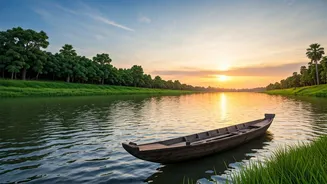
Nestled in the vast, shifting expanse of northeastern India’s Brahmaputra River, Majuli is often cited as the world’s largest river island. But this geographic superlative fails to capture its true essence. To arrive here is to willingly disconnect. There
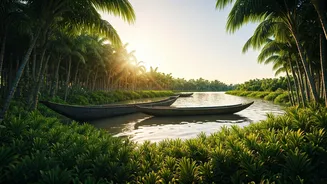
are no trains, no major highways, and the internet connection is as temperamental as the monsoon rains. The only link to the rest of Assam, and the world, is a fleet of modest ferries that ply the water twice a day. This forced isolation is the first step in unwinding the tightly coiled spring of urban life. The absence of traffic noise is profound; it’s replaced by the chirping of over 100 species of birds, the distant chanting from a monastery, and the rhythmic clacking of a handloom.
The Rhythm of the River
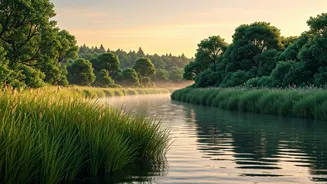
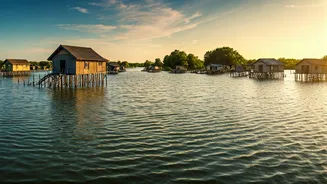
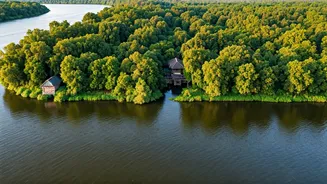
Life on Majuli is dictated by the river that created it. The Brahmaputra is both a nurturing parent and a constant threat. It deposits fertile silt that nourishes the island’s rice paddies and mustard fields, but its powerful currents also chew away at the shoreline with relentless hunger. This precarity shapes the local mindset. The Mishing tribe, the island's primary inhabitants, build their homes on stilts, a practical adaptation to the annual floods. There’s an acceptance of nature’s power here, a humility that feels worlds away from the urban impulse to control and conquer the environment. The island is shrinking, and its future is uncertain. This fragility lends a poignancy to its beauty, urging visitors to appreciate the tranquility that exists in this impermanent paradise.
A Sanctuary of Living Culture
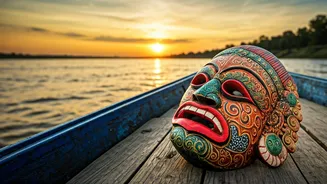
What truly sets Majuli apart is its status as the cradle of Neo-Vaishnavite culture, a branch of Hinduism that emphasizes performance art and devotion. The island is dotted with dozens of ‘sattras,’ or monastic centers, that have been hubs of art and spirituality for centuries. These are not silent, empty relics; they are living, breathing institutions. Here, young monks learn ‘Sattriya,’ a classical dance form, and master the craft of making intricate masks used in religious plays known as ‘Bhaona.’ Visitors are welcome to observe the daily rituals, the mesmerizing prayer sessions, and the dedicated practice of artists preserving traditions passed down since the 15th century. It’s a powerful reminder of a life centered on community, faith, and art rather than commerce.
The Art of Simple Living
The economy of Majuli is one of sustainability and craft. There are no sprawling malls or factories. Instead, you find small, family-run workshops. In one village, potters shape unique earthenware by hand without a wheel, using a technique passed through generations. In another, women sit at their looms under the shade of their stilt homes, weaving intricate patterns into textiles with vibrant colors. The pace is unhurried. People cycle along the island’s few paved roads, stopping to chat with neighbors. The air is clean, the food is grown locally, and the day is structured around the rising and setting of the sun. It’s a lifestyle that feels less like a step back in time and more like a step into a different, more intentional, way of being.